
Wall Insulation Options Explained: What Actually Works for Different Home Types
The most effective wall protection depends entirely on the age of the structure and the regional climate. Spray foam offers excellent air sealing for new builds, while blown-in cellulose works perfectly for older structures with closed walls. Choosing the right material blocks moisture, stops drafts, and lowers monthly energy bills.
Many property owners face high heating costs because they pick the wrong product for a specific building framing. Recent industry data shows nearly 90 percent of older residential structures lack adequate thermal protection. Stopping drafts requires a complete envelope approach to block outdoor air completely.
Expert wall insulation installers understand that sealing a home requires looking at the entire building exterior. Professionals evaluate everything from foundation gaps to exterior weatherproofing to ensure lasting indoor comfort. Proper planning prevents expensive mistakes and guarantees better long-term temperature control.
Comparing Popular Wall Insulation Materials
Different materials perform differently depending on where builders install them in the house. Selecting the correct product requires looking at both thermal resistance and basic moisture control. Every product offers unique benefits for specific types of residential construction.
Traditional Fiberglass Batts
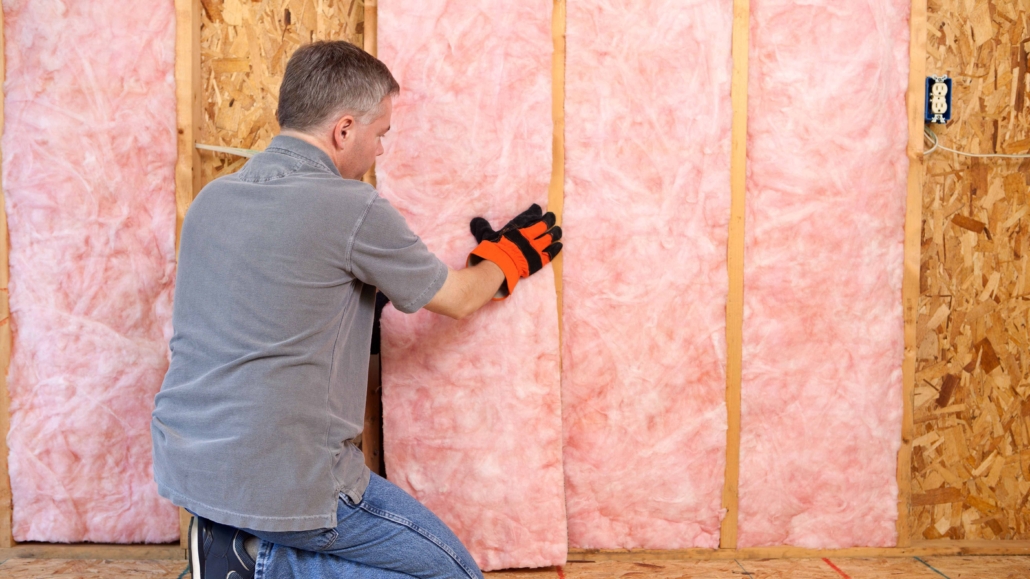
Fiberglass remains the most common choice for new construction projects across the country. Installers place these fluffy pink or yellow blankets directly between open wall studs. The material traps small pockets of air to slow down heat transfer.
Best Applications for Fiberglass
This material works best in standard wood framing before drywall goes up. It offers a budget-friendly way to meet local building codes during new construction. Installers must cut it perfectly to avoid leaving gaps around electrical wires.
Blown-In Cellulose Products
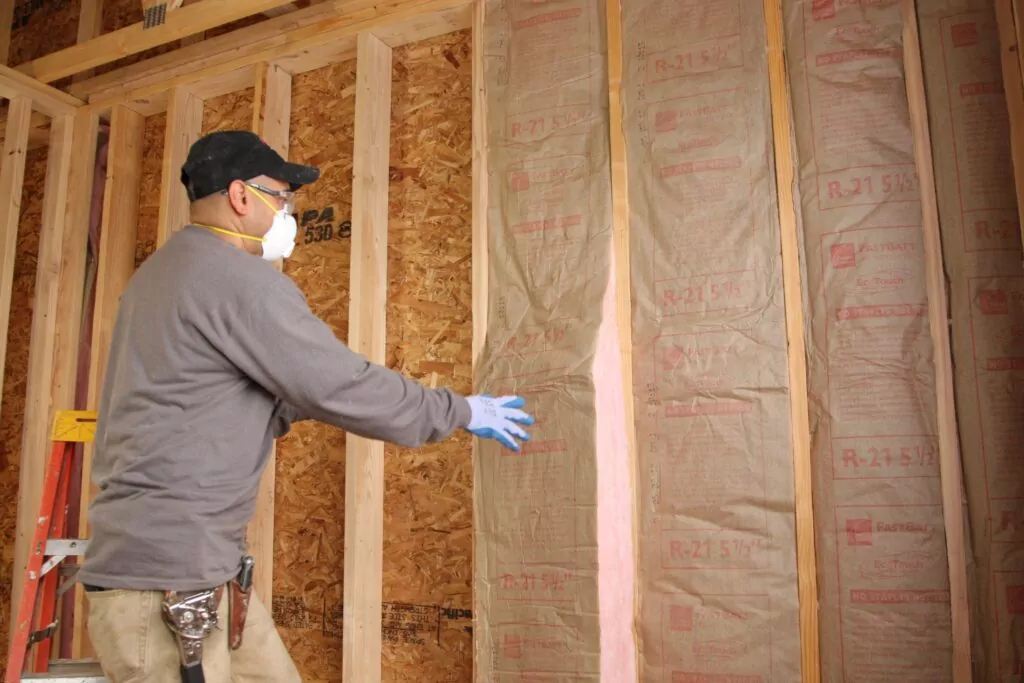
Cellulose consists of treated recycled paper products packed tightly into wall cavities. Technicians drill small holes in existing walls to pump this dense material inside. The dense packing limits air movement and provides excellent sound-dampening qualities.
Bonus Tips for Cellulose Use
Always check for existing moisture issues before adding cellulose to older walls. Trapped water causes the material to sag and lose thermal resistance. Fixing exterior leaks first ensures the new product stays completely dry.
Polyurethane Spray Foam Applications
Spray foam expands upon application to fill every tiny crack and hidden gap. This creates a solid barrier that stops both heat transfer and unwanted air leaks. The product comes in both open-cell and closed-cell varieties for different situations.
The following table outlines how different products compare in performance and ideal usage. Reviewing these specifications helps property owners understand available options for upcoming projects.
| Material Type | Average R-Value Per Inch | Best Application | Air Sealing Ability |
| Fiberglass Batts | R-3.1 to R-3.4 | Open walls | Low |
| Blown-in Cellulose | R-3.2 to R-3.8 | Closed existing walls | Medium |
| Open-Cell Spray Foam | R-3.5 to R-3.7 | Interior cavities | High |
| Closed-Cell Spray Foam | R-6.0 to R-7.0 | Exterior high moisture areas | Very High |
Whole Building Envelope Considerations
Wall protection only works well when the entire home exterior stops the elements. A fully sealed home requires attention to both the vertical surfaces and the upper exterior. Market data indicates that unsealed upper levels account for 30 percent of home energy loss.
Many property owners find that stopping thermal transfer means upgrading upper exterior systems alongside exterior walls. Applying high-quality Roof Coatings helps reflect solar heat away from the upper levels of the structure. This exterior addition works directly with interior wall materials to block intense summer heat.
Working with reliable “Roof Coatings” services ensures the top of the building matches the efficiency of the newly sealed walls. Finding qualified “Roof Coatings” experts prevents upper-level moisture from dripping down into the wall cavities. Keeping water out preserves the interior thermal materials for decades.
Things to Consider Before Making a Decision
Evaluating a property before starting an energy project prevents costly mistakes down the road. Property owners must look at the specific climate and existing structural conditions. A proper assessment ensures the chosen materials will perform correctly over time.
- Assess the current moisture levels in the basement and living spaces.
- Check the age and safety of the electrical wiring inside the walls.
- Determine the local climate zone requirements for thermal resistance.
- Evaluate the exterior siding condition for potential rainwater leaks.
- Consult a “Roof Coatings” contractor to ensure the top exterior is fully sealed.
Climate Specific Requirements
Homes in freezing northern climates require products with higher thermal resistance to keep heat inside. Southern homes need materials that block humidity and reflect intense summer sunlight. Local weather patterns dictate which products will perform best.
Managing High Humidity Areas
Coastal regions demand closed-cell products that repel water vapor entirely from the living space. Using porous materials in damp areas often leads to internal structural decay. Proper vapor barriers keep the indoor air dry and comfortable.
Questions People Ask About Wall Insulation
Homeowners frequently have similar questions when planning energy efficiency upgrades for residential properties. Clear answers help property owners plan upcoming home improvement projects confidently. Learning the facts dispels common myths about thermal protection.
Can material be added to walls without removing drywall?
Yes, technicians can inject blown-in cellulose or injection foam through small holes drilled into the walls. This method saves the time and expense of tearing down existing interior drywall. The installers patch the small holes neatly after filling the cavity.
How long do these thermal materials last?
Most modern materials last for decades if they remain dry and completely undisturbed. Fiberglass and spray foam often last the lifetime of the house. Cellulose might settle slightly over 15 to 20 years and require a minor top-off.
Do these products help with indoor soundproofing?
Adding thermal material to interior and exterior walls significantly reduces noise transfer between rooms. Open-cell foam and heavy cellulose provide the best sound-dampening qualities for residential homes. This makes busy households much quieter and more peaceful.
What exactly does an R-value mean?
R-value measures how well a specific material resists the flow of heat. Higher numbers indicate better stopping power against winter cold and extreme summer heat. Local building codes require specific R-values depending on the geographic region.
Should builders put material inside interior walls?
Adding material to interior walls improves privacy by blocking sound transmission between bedrooms and living areas. It also helps create distinct temperature zones within large residential homes. This prevents heat from migrating into unused guest rooms.
Final Thoughts on Home Energy Protection
Selecting the proper material turns a drafty house into a comfortable and quiet living space. Taking the time to evaluate the specific framing and climate yields better long-term results. Good planning guarantees the investment pays off through lower utility bills.
Property owners should assess current energy bills and draft issues before choosing a specific product. Matching the right material to the exact building type guarantees better temperature control year-round. Taking action now protects the property from future weather extremes.
Taking the Next Step for a Property
Finding the right team makes a massive difference in the final quality of any home improvement project. Experienced professionals evaluate the whole house to recommend the exact materials needed for optimal performance.
South Chicago Insulation provides detailed evaluations to help families improve indoor comfort and lower energy costs. Property owners looking for dependable advice can contact South Chicago Insulation by calling (779) 803-8025. Individuals can also send inquiries to ask@southchicagoinsulation.com to schedule a helpful consultation today.
Author: Bob Gasca attended his first spray foam training in 2007 and has continued to pursue yearly training to stay current with the latest technology and practices. He is a certified Spray Foam Master Installer through the SPFA and a member of the SPFA. Additionally, Bob serves as a Spray Foam Worldwide Ambassador, sharing information with spray foam professionals globally. Recently, he returned from a building science training program, where he expanded his knowledge of how weather conditions affect home performance, helping him better diagnose and improve home health for families. Bob specializes in solving complex moisture and air infiltration issues.
Reviewer: Noah Gonzalez reviewed this article and drew on 9 years of experience to offer suggestions that make the guidance more directly useful for insulation contractors.

Leave a Reply
Want to join the discussion?Feel free to contribute!