
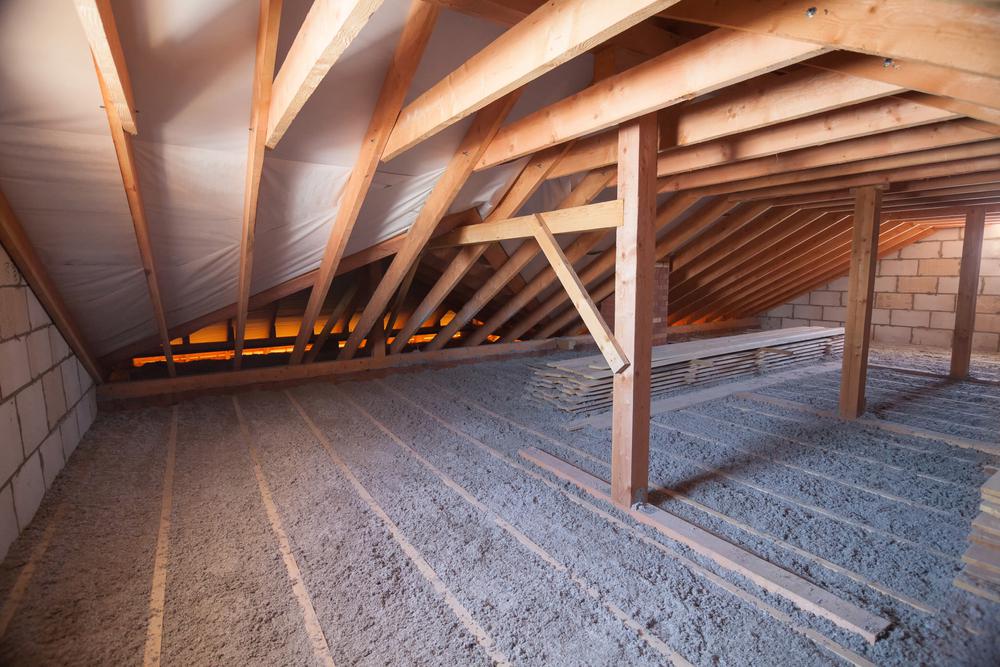
Premium Attic Insulation Solutions for Maximum Energy Efficiency in Austin, TX
Achieving peak energy efficiency in Central Texas requires an attic insulation system that targets both heat conduction and air leakage. You can lower your cooling costs significantly by installing materials that reach an R-value of R-38 to R-60.
High-performance solutions integrate comprehensive air sealing with the installation of blown-in or spray foam materials. This dual-action approach prevents the intense Austin sun from overheating your living spaces while stopping expensive air conditioning from escaping through the roof.
Expert attic insulation services provide specialized strategies to manage the unique humidity and temperature swings characteristic of Travis County. These professionals focus on creating a robust thermal boundary that maintains consistent indoor temperatures, even during the hottest summer months.
How attic insulation affects your home energy performance
Your attic acts as a buffer between the outdoor elements and your indoor comfort. Without proper barriers, temperatures in an Austin attic can easily exceed 150 degrees Fahrenheit during July and August.
This extreme heat migrates into your rooms, forcing your HVAC system to run longer cycles to maintain your thermostat settings. Upgrading your insulation reduces this heat transfer, which extends the life of your mechanical equipment and lowers monthly bills.
- Reduces the workload on your air conditioner.
- Minimizes temperature variations between different rooms.
- Lowers the carbon footprint of your household.
- Provides a quieter indoor environment by dampening outside noise.
Selecting the right material for Central Texas homes
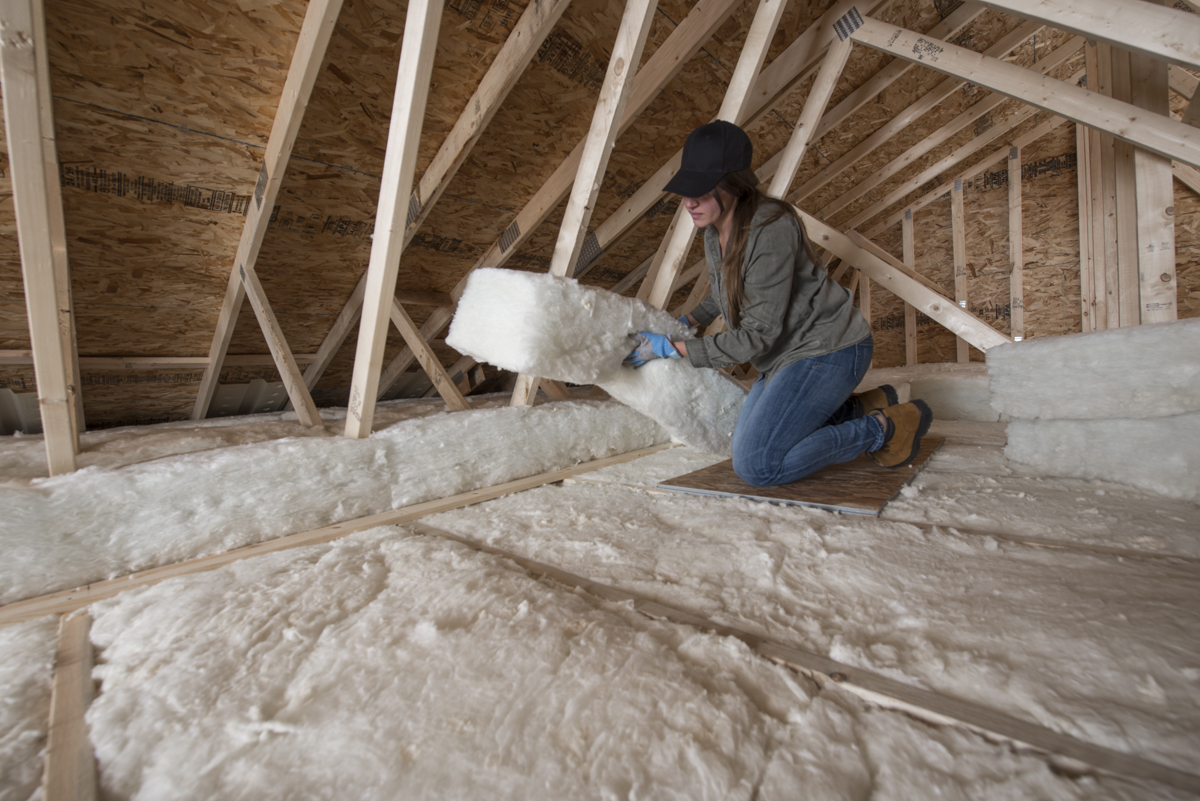
The best attic insulation for energy savings depends on your home structure and your specific budget goals. Different materials offer various benefits regarding fire resistance, pest deterrence, and thermal resistance per inch of thickness.
Blown-in attic insulation services often use fiberglass or cellulose because these materials fill small crevices and odd-shaped spaces effectively. They create a seamless blanket over your ceiling joists that prevents thermal bridging.
| Insulation Type | R-Value Per Inch | Best For | Life Expectancy |
|---|---|---|---|
| Blown-In Fiberglass | 2.2 to 2.9 | Existing attics with many obstructions | 80+ years |
| Cellulose (Recycled) | 3.2 to 3.8 | Eco-friendly goals and soundproofing | 20 to 30 years |
| Open Cell Spray Foam | 3.5 to 3.8 | Creating a sealed attic envelope | 50+ years |
| Closed Cell Spray Foam | 6.0 to 7.0 | Maximum R-value and structural strength | 80+ years |
Bonus Tip: You should check if your local utility provider offers rebates for attic insulation upgrades, as many Austin programs incentivize high R-value installations.
The necessity of professional air sealing
Adding new material on top of old insulation without sealing leaks is a common mistake that limits your energy savings. Air sealing involves using specialized foam or caulk to close gaps where plumbing, wiring, and ductwork penetrate the attic floor.
Small gaps around recessed lights and chimney chases act like chimneys, pulling conditioned air out of your home. A professional attic insulation contractor in Austin, TX will identify these bypasses using thermal imaging or smoke pencils to ensure the home is airtight.
- Stops the “stack effect” from pulling air through the house.
- Prevents moisture from entering the attic and causing mold.
- Keeps dust and outdoor allergens from leaking into your living areas.
- Ensures the insulation material performs at its rated R-value.
Why should you prioritize moisture control in your attic?
Austin’s high humidity levels can lead to condensation issues if your attic is not properly ventilated or sealed. When warm, moist air meets a cool surface, it creates water droplets that can damage wood and ruin insulation.
Properly installed systems include baffles at the eaves to ensure airflow remains consistent from the soffits to the ridge vents. This airflow carries away excess moisture and heat before they can cause structural problems or decrease efficiency.
Expert installers ensure that your insulation does not block these vital ventilation paths. They use physical barriers to keep blown-in materials away from the vents while maintaining full coverage over the living spaces.
Bonus Tip: If you choose spray foam, ensure it is applied to the roof deck rather than the attic floor to bring your ductwork into a conditioned space.
Benefits of upgrading your current insulation levels
Many older homes in Central Texas were built with minimal insulation that has settled over several decades. Settled insulation loses its effectiveness because the air pockets that trap heat become compressed.
By hiring an insulation company in Austin, TX to refresh your attic, you gain immediate improvements in home comfort. New materials are often treated with borates to resist fire and discourage nesting by local pests like rodents or insects.
- Improved air quality by reducing the entry of outdoor pollutants.
- Increased property value through documented energy efficiency upgrades.
- Reduced moisture buildup on ceiling surfaces.
- Significant long-term ROI through reduced utility expenditures.

Factors to evaluate before choosing an insulation strategy
Before you commit to a specific insulation type, you must evaluate the current state of your attic and your long-term residency plans. Some solutions offer faster paybacks, while others provide superior comfort for the life of the home.
You should also consider the condition of your roof and whether you have any existing leaks. It is never advisable to install new insulation over wet or damaged materials, as this traps moisture and leads to rot.
- Assess the age and condition of your existing electrical wiring.
- Determine if you need to maintain attic storage space.
- Verify the current R-value by measuring the depth of existing material.
- Check for signs of past pest infestations that require cleanup first.
Is a radiant barrier necessary for your Austin home?
Radiant barriers are thin layers of reflective material that bounce solar heat away from the attic. In the intense Texas sun, these can be a helpful addition to traditional mass insulation like fiberglass or cellulose.
They are most effective when installed on the underside of the roof rafters, leaving a small air gap for the reflective surface to work. This helps keep the attic air temperature lower, which reduces the heat load on your ductwork.
While a radiant barrier does not replace the need for R-value, it acts as a first line of defense. It is particularly useful if your HVAC unit is located in the attic, as it prevents the equipment from overheating.
Summarizing the path to a cooler and more efficient home
Maximizing energy efficiency in Austin requires a detailed approach that combines air sealing, high R-value insulation, and proper ventilation. You can transform your home comfort by addressing the attic, which is the primary source of heat gain in southern climates.
Evaluating your home’s specific needs with a professional ensures that you select the right materials for your budget and architecture. High-performance upgrades pay for themselves over time through lower bills and a more durable HVAC system.
You should take the time to inspect your current attic levels and look for signs of air leakage. Investing in premium insulation today provides a more stable, comfortable, and valuable home for years to come.
How to start your attic efficiency project with professional help
Taking the next step toward a cooler home is easier when you work with experienced specialists. Stellrr Insulation & Spray Foam provides comprehensive evaluations to help you determine the best course of action for your property. You can reach their team at (512) 710-2839 or via email at info@stellrr.com to discuss your specific needs. Requesting a free quote is a great way to understand the potential savings and comfort improvements available for your Austin residence.
Frequently Asked Questions
What is the recommended R-value for attics in the Austin area?
The Department of Energy suggests reaching between R-38 and R-60 for optimal heat resistance in our climate zone.
Can I install new insulation directly over my old attic materials?
You can usually add new insulation over old material if it is dry, mold-free, and not compressed by debris.
How long does it take for a professional to insulate a standard attic?
Most attic insulation upgrades are completed in a single day, depending on the square footage and prep work required.
Does spray foam insulation provide better results than blown-in options?
Spray foam provides a superior air seal and higher R-value per inch, making it ideal for maximum energy savings.
Will upgrading my attic insulation help reduce outside street noise?
Yes, high-density materials like cellulose and spray foam are excellent at dampening sound waves from traffic or neighbors.

Leave a Reply
Want to join the discussion?Feel free to contribute!