
Which Adas Feature Provides The Greatest Safety Benefits?
Modern vehicles include advanced safety technologies that help drivers avoid accidents and reduce driving risks. Each system supports a different part of the driving experience, from detecting hazards to maintaining safe distances on busy roads. Adas solutions continue to improve road safety by combining sensors, cameras, and software that assist drivers without replacing their responsibility. Choosing the most valuable feature depends on how it prevents accidents in real driving situations.
The Purpose of ADAS Features
Advanced Driver Assistance Systems, commonly known as ADAS, are designed to support safer driving through constant monitoring of the road and surrounding traffic. Cameras, radar, ultrasonic sensors, and other technologies collect information that allows the vehicle to warn the driver or take limited action during dangerous situations. Rather than controlling every aspect of driving, these systems reduce common human errors such as delayed braking, missed lane departures, or failure to notice nearby vehicles, making everyday travel more secure for drivers and passengers.
Automatic Emergency Braking Delivers the Greatest Safety Benefit
Among all available ADAS technologies, Automatic Emergency Braking stands out because it directly helps prevent front-end collisions. The system monitors traffic ahead and reacts quickly if the driver does not respond in time to an obstacle or slowing vehicle. It first issues visual or audible warnings, then automatically applies the brakes if necessary. Faster reaction times often reduce crash severity or prevent accidents completely, making this feature one of the strongest contributors to road safety across different driving conditions.
Other ADAS Features That Strengthen Driver Protection
Many additional ADAS features work together with Automatic Emergency Braking to create a safer driving experience. Lane Keeping Assist gently corrects steering if the vehicle drifts from its lane. Blind Spot Monitoring alerts drivers to vehicles hidden beside them during lane changes. Adaptive Cruise Control maintains a safe following distance in traffic, reducing fatigue on long journeys. Traffic Sign Recognition also reminds drivers about speed limits and road signs, helping them make informed decisions throughout every trip.
Lane Keeping Assist Helps Reduce Common Driving Errors
Lane Keeping Assist provides valuable support by detecting lane markings and correcting unintentional drifting. Driver distraction, fatigue, or poor visibility often causes vehicles to leave their lane without warning. This feature gently steers the vehicle back toward the center while also notifying the driver through alerts. Fewer unintended lane departures mean lower chances of side-impact crashes and roadway departures. Drivers still control the vehicle, but the additional guidance creates another layer of protection during daily travel.
Adaptive Cruise Control Supports Safer Highway Driving
Adaptive Cruise Control makes highway driving less stressful by automatically adjusting vehicle speed according to surrounding traffic. Radar and cameras monitor the distance between vehicles, allowing the system to slow down or accelerate smoothly without constant pedal input. Consistent spacing lowers the chance of rear-end collisions caused by sudden braking. Long-distance travel also becomes more comfortable because drivers spend less effort managing speed, allowing greater attention to road conditions, traffic movement, and unexpected hazards.
Simple Steps to Get the Best Results From ADAS
Getting the most from ADAS requires proper use and regular maintenance. Drivers should understand that these systems assist rather than replace safe driving habits.
- Read the vehicle owner’s manual to understand every safety feature.
- Keep cameras and sensors clean for accurate detection.
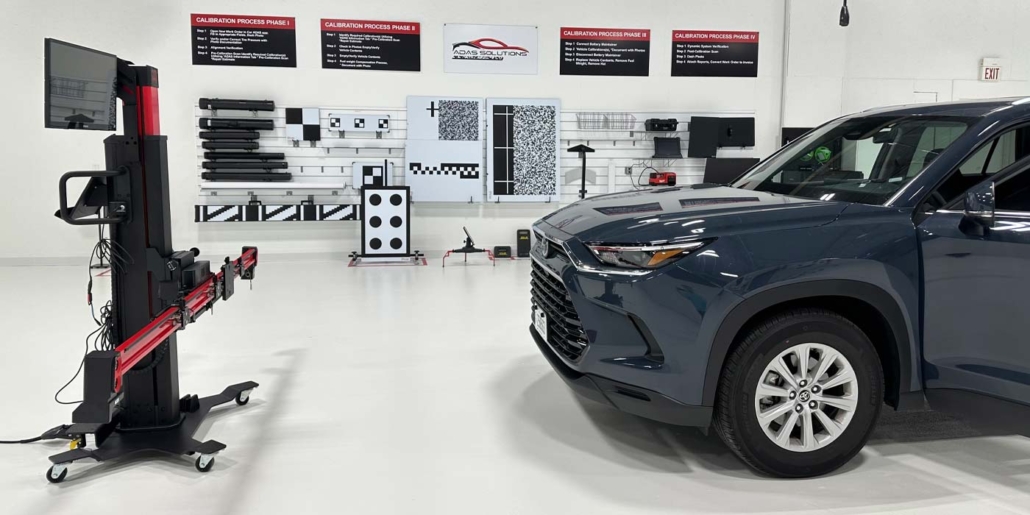
- Schedule regular calibration after windshield replacement or collision repairs.
- Stay alert and keep both hands ready to control the vehicle.
- Never depend entirely on automated features in difficult weather or heavy traffic.
Choosing the Right ADAS Features for Everyday Driving
Vehicle buyers should focus on features that match their driving habits rather than selecting technology based only on popularity. Frequent highway drivers often benefit from Adaptive Cruise Control and Lane Keeping Assist, whereas city drivers may value Automatic Emergency Braking and Pedestrian Detection more highly. Reviewing independent safety ratings, testing available systems during a test drive, and understanding maintenance requirements can help buyers make practical decisions. A balanced combination of reliable features usually provides stronger overall protection than relying on a single technology alone.
Conclusion
Automatic Emergency Braking provides the greatest overall safety benefit because it directly reduces the likelihood and severity of common collisions. Combined with Lane Keeping Assist, Adaptive Cruise Control, Blind Spot Monitoring, and other support systems, it creates a stronger safety network for drivers and passengers. Technology continues to improve vehicle protection, but responsible driving remains essential. Understanding each feature, maintaining the equipment properly, and using these systems correctly allows drivers to gain the maximum safety value from modern vehicles.


Leave a Reply
Want to join the discussion?Feel free to contribute!