
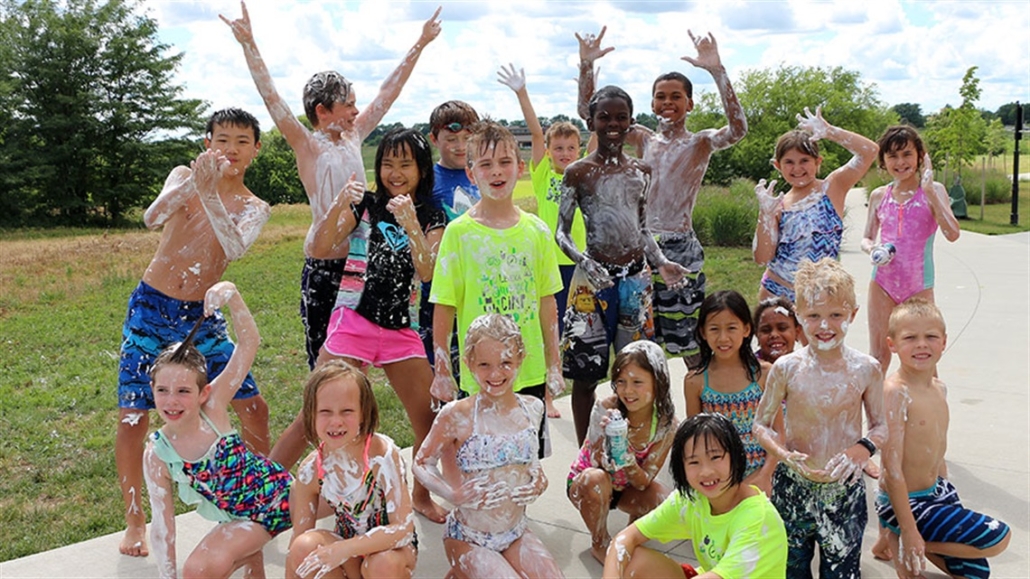
What Makes A Summer Camp Experience Fun And Educational?
Summer camp gives children an exciting chance to learn outside the classroom while enjoying meaningful adventures with friends. A well-designed program combines physical activities, creative learning, teamwork, and confidence-building experiences that leave lasting memories. Many families searching for the right Summer camp Davie want a place where children can grow through enjoyable activities that encourage learning, responsibility, and personal development in a safe and welcoming environment.
The Perfect Balance Between Learning and Fun
A successful summer camp creates an environment where education naturally becomes part of everyday activities. Children explore science, nature, sports, arts, and problem-solving without feeling like they are attending regular school lessons. Practical experiences help them understand concepts through action instead of memorization. Friendly instructors encourage curiosity by asking questions and guiding discussions during activities. This balanced approach keeps children interested while helping them build valuable skills that support both academic success and everyday life beyond the camp environment.
Outdoor Activities Build Confidence and Independence
Outdoor adventures help children become more confident by encouraging them to try new experiences in a supportive setting. Hiking, obstacle courses, swimming, nature walks, and team sports allow campers to overcome challenges at their own pace. Every achievement, whether small or large, builds self-belief and resilience. Spending time outdoors also improves physical health and teaches respect for nature. Children return home feeling proud of what they have accomplished while becoming more willing to face new situations with a positive attitude.
Social Skills Grow Through Shared Experiences
Children spend much of their time working together during games, projects, and group activities. These shared experiences teach communication, patience, and respect for different opinions. Camp friendships often develop because children learn to support one another instead of competing constantly. Group challenges encourage listening, sharing ideas, and solving problems together. Positive social interactions help children become more comfortable meeting new people, expressing themselves clearly, and developing stronger relationships that continue even after camp has ended.
Creative Activities Encourage Imagination
Creative programs allow children to express themselves through painting, music, drama, crafts, storytelling, and hands-on projects. Artistic activities encourage original thinking while helping children discover personal interests they may not have explored before. Creative sessions also improve focus and problem-solving because children learn to experiment with different ideas until they achieve satisfying results. Supportive instructors celebrate effort rather than perfection, giving every camper the confidence to participate without worrying about making mistakes during the learning process.
Step-by-Step Learning Creates Lasting Skills
Children learn more effectively when activities follow a clear and organized process. Camp instructors introduce new skills gradually, allowing every child to practice before moving to more advanced challenges. This simple structure helps campers understand each lesson without becoming overwhelmed. Repetition through enjoyable activities improves memory and confidence while encouraging consistent progress. By mastering one step at a time, children develop practical abilities they can continue using at home, in school, and during future recreational activities.
Key Features of a Great Summer Camp
Choosing the right camp becomes easier by looking for programs that offer important qualities such as:
- Safe and supervised activities
- Qualified and supportive instructors
- Educational outdoor experiences
- Creative arts and crafts sessions
- Team-building games
- Physical fitness opportunities
- Age-appropriate learning programs
- Positive social interaction
- Balanced daily schedules
- Respectful and welcoming camp culture
These features create an enjoyable environment where children remain active, engaged, and motivated throughout their camp experience while developing valuable life skills.
Parents Benefit from a Quality Camp Experience
Parents also gain peace of mind by choosing a camp that supports both education and recreation. Structured programs keep children active during school breaks while reducing excessive screen time. Many camps encourage healthy routines, responsibility, and independence through daily schedules and practical activities. Families often notice improvements in communication, confidence, and maturity after camp ends. Children return home with new friendships, memorable experiences, and practical skills that continue benefiting them long after the summer season has finished.
Conclusion
A meaningful summer camp experience offers much more than entertainment. Children learn valuable life skills while enjoying exciting adventures, creative activities, outdoor exploration, and lasting friendships. Well-planned programs encourage confidence, teamwork, independence, and curiosity through practical learning opportunities that feel enjoyable rather than stressful. Families who choose camps focused on both education and recreation give their children an opportunity to grow emotionally, socially, and physically while creating positive memories that remain valuable for many years.
FAQs.
What makes a summer camp educational?
Educational summer camps combine practical learning with enjoyable activities such as science projects, nature exploration, arts, teamwork, and problem-solving exercises that help children develop valuable life skills.
Why are outdoor activities important at summer camps?
Outdoor activities improve physical fitness, confidence, teamwork, and appreciation for nature while encouraging children to try new experiences in a safe environment.
How do summer camps help children develop social skills?
Campers participate in group games, projects, and discussions that teach communication, cooperation, respect, patience, and friendship through daily interaction.
What should parents look for when choosing a summer camp?
Parents should consider safety, experienced staff, balanced activities, educational programs, age-appropriate schedules, positive supervision, and opportunities for personal growth.
Can summer camps improve children’s confidence?
Yes. Completing challenges, learning new skills, making friends, and achieving personal goals help children become more confident and independent in everyday life.
Leave a Reply
Want to join the discussion?Feel free to contribute!