
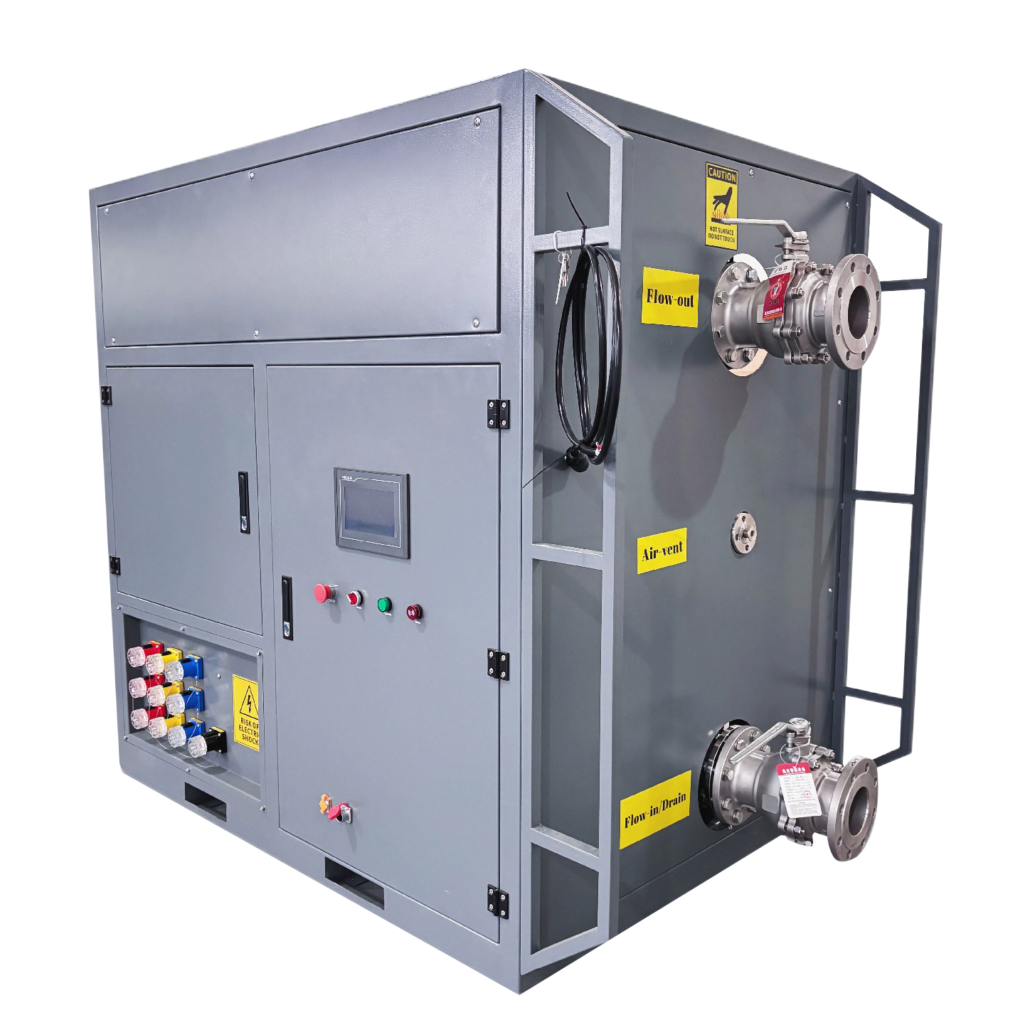
Understanding Closed-Loop Cooling Technology Used by a Liquid Cooled Load Banks Manufacturer
As power systems continue to grow in capacity and complexity, efficient thermal management has become more important than ever. Load banks used for testing generators, uninterruptible power supplies (UPS), battery energy storage systems, and other critical electrical equipment generate significant amounts of heat during operation. To maintain safe temperatures and ensure reliable performance, a professional liquid cooled load banks manufacturer uses closed-loop cooling technology. This advanced cooling method provides superior heat dissipation, improves equipment efficiency, and supports continuous operation in demanding environments.
A closed-loop cooling system works by circulating coolant through a sealed circuit rather than relying on outside air to remove heat. During load testing, electrical energy is converted into heat by the resistive load elements. Instead of allowing this heat to build up inside the equipment, the coolant absorbs it and carries it away to a heat exchanger, where the heat is transferred and safely dissipated. The cooled liquid then returns to the system, creating a continuous circulation process.
One of the biggest advantages of closed-loop cooling is its excellent thermal efficiency. A trusted liquid cooled load banks manufacturer designs these systems to remove heat much more effectively than traditional air-cooled solutions. Since liquids have a much higher heat transfer capacity than air, they can absorb and transport larger amounts of thermal energy while maintaining stable operating temperatures. This allows the load bank to operate at high power levels for extended periods without overheating.
The closed-loop design also protects the cooling system from external contamination. Because the coolant circulates within a sealed system, dust, dirt, moisture, and airborne particles cannot easily enter the cooling circuit. This helps maintain consistent cooling performance while reducing wear on pumps, valves, and other cooling components. Cleaner cooling systems also require less frequent maintenance compared to systems exposed directly to environmental contaminants.
Another major benefit is improved power density. Efficient heat removal enables manufacturers to build compact load banks capable of handling very high electrical loads. A professional liquid cooled load banks manufacturer can design smaller enclosures without sacrificing performance because the cooling system efficiently manages the generated heat. This compact design is particularly valuable in data centers, industrial facilities, offshore platforms, and marine applications where installation space is limited.
Stable operating temperatures also contribute to longer equipment life. Excessive heat is one of the leading causes of electrical component deterioration. Closed-loop cooling maintains consistent temperatures across resistive elements, electrical components, and control systems, reducing thermal stress and extending the service life of the equipment. This improved reliability results in fewer maintenance requirements and lower long-term operating costs.
Heat exchangers are a critical component of every closed-loop cooling system. Their purpose is to transfer heat from the circulating coolant to an external cooling medium without mixing the two. Depending on the application, different heat exchanger designs may be used to maximize cooling efficiency while maintaining consistent coolant temperatures throughout the testing process.
Coolant circulation is maintained by high-performance pumps specifically selected for continuous industrial operation. A dependable liquid cooled load banks manufacturer carefully designs the coolant flow path to ensure every heat-generating component receives adequate cooling. Balanced flow distribution prevents localized overheating and ensures consistent thermal performance during extended testing cycles.
Modern closed-loop cooling systems also include intelligent monitoring features. Sensors continuously monitor coolant temperature, flow rate, pressure, and overall cooling performance. If abnormal operating conditions occur, the control system immediately alerts operators or automatically activates protective functions such as alarms or emergency shutdowns. These monitoring systems improve both operational safety and equipment reliability.
Energy efficiency is another important advantage of closed-loop cooling technology. Since liquid transfers heat much more efficiently than air, the system can maintain proper operating temperatures with less energy than large air-cooling fans typically require. This contributes to lower operating costs while improving the overall efficiency of the testing process.
Closed-loop cooling also creates a better working environment. Traditional air-cooled load banks release large amounts of hot air into the surrounding area and often produce considerable fan noise. In contrast, liquid cooled systems transfer most of the heat through the coolant circuit, significantly reducing heat discharged into the testing environment. They also operate more quietly, making them well suited for indoor facilities and noise-sensitive locations.
Maintenance is simplified because the cooling circuit is designed for reliability and long service life. Routine maintenance generally involves inspecting coolant levels, checking pump operation, examining hoses and fittings, and verifying sensor performance. Since the system is sealed, coolant contamination is minimized, helping maintain efficient cooling over many years of operation.
As industries continue adopting AI data centers, renewable energy projects, battery energy storage systems, and high-density electrical infrastructure, the demand for efficient thermal management continues to grow. Closed-loop cooling technology enables manufacturers to meet these evolving requirements by delivering compact, reliable, and high-performance load bank solutions capable of handling increasingly demanding testing applications.
In conclusion, closed-loop cooling technology is one of the defining features offered by a professional liquid cooled load banks manufacturer. By circulating coolant through a sealed system, efficiently removing heat, protecting components from contamination, improving energy efficiency, supporting compact designs, and enhancing long-term reliability, this technology provides significant advantages over conventional air cooling. As modern power systems become more powerful and space-efficient, closed-loop cooling will continue to play a critical role in ensuring safe, accurate, and dependable load bank performance.

Leave a Reply
Want to join the discussion?Feel free to contribute!