
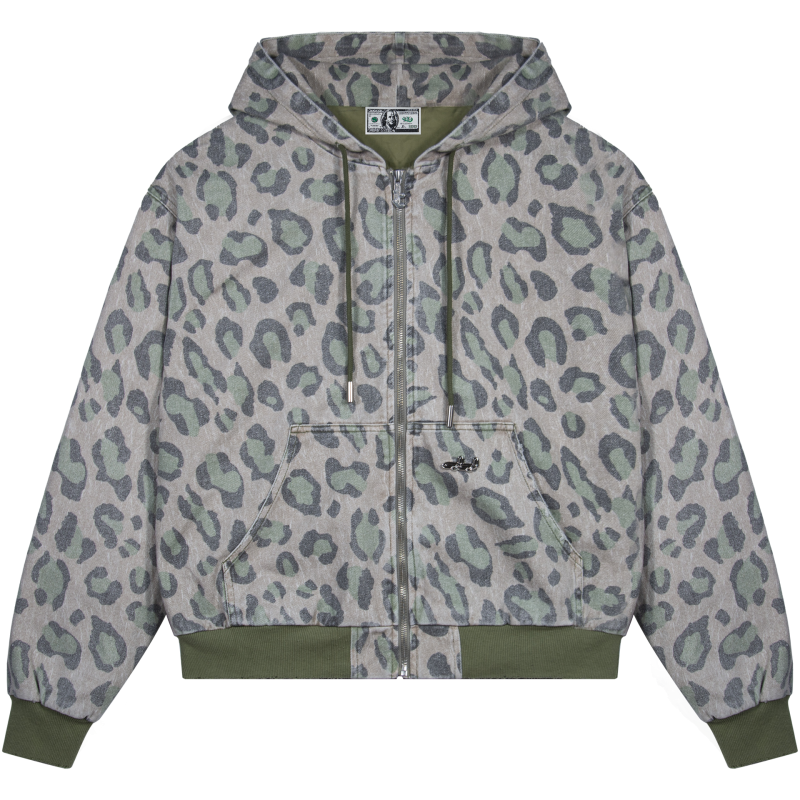
The Evolution of Streetwear Into Geedup Fashion
Introduction
Streetwear has grown from a small underground movement into one of the most influential forces in global fashion. What began as a style connected to youth culture, music, skateboarding, and urban communities has developed into a powerful industry that influences luxury fashion, social identity, and personal expression. Among the brands that represent the modern evolution of streetwear is Geedup Co., an Australian streetwear label known for its strong community identity, limited releases, and connection to street culture. The journey from traditional streetwear to Geedup fashion reflects how clothing has become more than just a way to dress—it has become a symbol of belonging, ambition, and cultural identity.
The Origins of Streetwear Culture
Streetwear emerged during the late 20th century as a response to traditional fashion systems. Instead of being created mainly by luxury designers and fashion houses, streetwear developed from everyday people and subcultures. It was influenced by skateboarding communities, hip-hop culture, graffiti art, and youth movements.
In the 1980s and 1990s, streetwear brands began gaining attention by creating casual clothing such as graphic T-shirts, hoodies, sneakers, and caps. These items represented individuality and independence. People wore streetwear not only because it was comfortable but because it communicated their interests, beliefs, and social connections.
The rise of hip-hop played a major role in spreading streetwear globally. Artists used clothing as part of their identity, making oversized silhouettes, sneakers, and branded apparel important symbols of success and creativity. As music and fashion became increasingly connected, streetwear moved from local communities into international culture.
The Shift From Subculture to Mainstream Fashion
Over time, streetwear transformed from an underground style into a major part of the fashion industry. Luxury fashion brands began adopting streetwear elements, including hoodies, sneakers, casual designs, and limited-edition releases. Collaborations between streetwear labels and high-end designers helped blur the line between street fashion and luxury fashion.
This shift changed how people viewed clothing. A simple hoodie or T-shirt could become a valuable cultural item if it carried meaning, exclusivity, or a strong connection to a community. Streetwear became less about following traditional fashion rules and more about authenticity and storytelling.
Social media accelerated this transformation. Platforms such as Instagram and online communities allowed brands to build direct relationships with customers. Instead of relying only on traditional advertising, streetwear brands created communities around their products and values.
The Rise of Geedup Fashion
Geedup Co. represents a modern stage in the evolution of streetwear. Founded in Australia, the brand developed around the idea of community, loyalty, and self-belief. Its approach reflects the values that have always shaped streetwear: authenticity, independence, and connection with supporters.
Geedup fashion is recognized for its bold designs, oversized fits, hoodies, tracksuits, and limited product releases. Rather than producing clothing based only on seasonal fashion trends, the brand focuses on creating a sense of exclusivity and belonging. Customers often view Geedup pieces as symbols of identity rather than simply fashion products.
A key element of Geedup’s success is its community-driven approach. The brand has built a strong following by connecting directly with its audience and creating the feeling that customers are part of a larger movement. This reflects a major change in modern fashion, where consumers increasingly value the story behind a brand as much as the product itself.
The Importance of Identity and Community
One of the defining features of Geedup fashion is the importance of identity. Traditional fashion often focused on appearance and trends, but streetwear focuses on meaning. Clothing becomes a way for individuals to express where they come from, what they value, and the communities they support.
Geedup’s popularity demonstrates how modern consumers are attracted to brands that feel genuine. Many streetwear followers prefer independent brands that have clear cultural roots rather than companies that simply copy popular styles.
Community plays a central role in this process. Streetwear brands often create loyal audiences through limited releases, events, and online engagement. These communities transform customers into supporters who actively promote and share the brand’s message.
The Role of Limited Releases and Exclusivity
Another important development in modern streetwear is the use of limited releases, often called “drops.” Instead of making large quantities of every product, brands release smaller amounts to create excitement and demand.
Geedup fashion follows this approach by emphasizing scarcity and exclusivity. Limited availability makes each item feel more unique and encourages customers to engage closely with the brand. This strategy has become common across streetwear because it creates anticipation and strengthens the relationship between brands and their communities.
However, exclusivity is not only about creating demand. It also reflects the original spirit of streetwear, where belonging to a particular cultural group or movement was represented through clothing choices.
Influence of Social Media on Geedup Fashion
Social media has played a major role in the growth of Geed up and similar streetwear brands. Digital platforms allow brands to communicate directly with audiences, share new releases, and build strong communities without depending entirely on traditional marketing.
Streetwear has become highly visual, making platforms focused on images and videos especially important. Customers share outfits, collections, and personal experiences, helping brands grow organically.
This relationship between social media and streetwear has changed fashion marketing. Instead of fashion trends moving only from designers to consumers, consumers now influence trends through online communities and cultural conversations.
Challenges and Future of Geedup Fashion
Although Geedup fashion has achieved significant cultural influence, modern streetwear faces challenges. As streetwear becomes more popular, maintaining authenticity becomes increasingly difficult. Many brands struggle to balance growth with the original values that made them successful.
Another challenge is competition. The global streetwear market continues to expand, with many new brands attempting to capture consumer attention. To remain successful, brands must continue creating meaningful designs and maintaining strong relationships with their communities.
The future of Geedup fashion and streetwear will likely involve continued innovation, digital engagement, and global expansion. Sustainability may also become more important as consumers become increasingly aware of environmental issues in fashion production.


Leave a Reply
Want to join the discussion?Feel free to contribute!