Why Should Hazardous Trees Be Removed Quickly?
What Turns a Normal Tree Into a Danger?
A tree starts its life as something calm and useful. It gives shade, holds soil, and adds life to a space. Nothing about it feels risky in the beginning. That changes over time when damage enters the picture. A trunk cracks. Branches dry out. Roots lose strength in the ground. At first these signs look small, almost easy to ignore. Many people walk past them without much thought. The tree still stands, so it feels safe enough. But stability does not always match appearance. A tree can look fine and still carry hidden weakness inside. Wind, rain, and age slowly push it closer to failure.
Why Do Hazardous Trees Create Real Risk?
A weak tree does not warn anyone before it falls. It simply gives way when pressure hits the wrong point. That creates danger for people nearby. A branch can drop without notice. A full trunk can lean and crash onto property. Cars, fences, roofs, and even walkways sit within reach of that risk. One storm can change everything in a few minutes. The scary part comes from timing. Nobody can predict the exact moment a damaged tree will fail. That uncertainty makes the situation serious. Waiting around only increases the chance of damage.
How Do Trees Become Weak Over Time?
Nature never keeps things static. Trees respond to soil, weather, and age. Some grow strong and stable for decades. Others face stress much earlier. Poor soil drains strength from the roots. Disease spreads through branches and hollows the structure. Insects carve into the wood and weaken it from inside. Storms add extra pressure and twist the frame. Each problem builds on the next one. Most of the damage stays hidden until signs become obvious. By then the tree often holds less strength than people expect.
What Happens When People Delay Action?
Delay makes things worse. A leaning tree leans more. A cracked trunk spreads further. Broken branches invite more decay. Nothing in that cycle improves on its own. Many people postpone removal because the tree still stands upright. That visual creates false comfort. Others wait because they feel unsure about the cost or process. During that waiting period the risk grows quietly. A sudden fall then brings repair bills, cleanup work, and sometimes injury. Early action always costs less than emergency response.
Why Does Fast Removal Protect Property?
Quick removal removes uncertainty. Once a hazardous tree leaves the site, the surrounding area becomes stable again. Roofs stop facing branch impact. Driveways lose the risk of sudden blockage. Fences and walls no longer sit under pressure. The space feels open and safer. Homeowners often notice relief right after removal because one major risk disappears. Services like Tree Removal Preston handle this process with careful planning so the rest of the property stays protected during the work.
Can a Weak Tree Damage Its Surroundings Without Falling?
Yes, and that part often surprises people. Damage does not need a full collapse. Roots push against underground systems. Pipes shift or crack under pressure. Pavements lift as roots expand. Branches scrape surfaces and leave marks over time. Even slow movement creates long term problems. These effects build quietly. Most people only notice after visible damage appears. By that point repair work becomes more complicated than expected.
Why Do People Hesitate to Remove Trees?
Trees carry emotional weight. Many homeowners see them as part of their home’s identity. A tree might stand in the garden for years and become familiar. Cutting it down feels like losing a piece of that landscape. That feeling leads to delay. Some also assume minor damage does not justify removal. Others hope the tree will recover on its own. That rarely happens once structural weakness sets in. The hesitation feels natural but it often increases risk over time.
Why Do Experts Matter in Tree Removal?
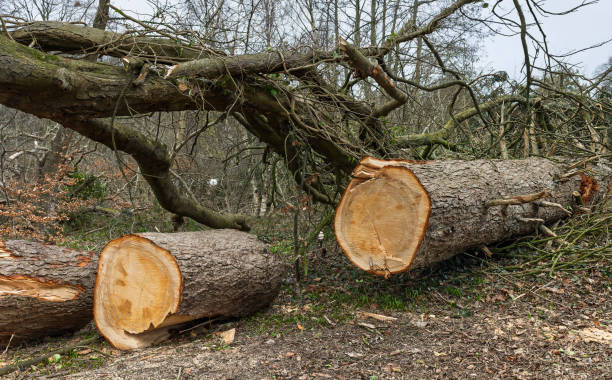
Tree removal involves more than cutting wood. A damaged tree behaves unpredictably. One wrong cut can shift weight and send heavy branches in unexpected directions. Professionals read those risks before starting work. They plan each step to control movement and reduce danger. Equipment also plays a role in handling heavy sections safely. Experience helps them spot hidden weakness that most people miss. That skill makes the process safer for both property and people nearby.
Conclusion
Hazardous trees never improve with time. They weaken, shift, and create more risk as they age. Quick removal prevents damage instead of reacting after something breaks. Tree Removal Preston services help manage these situations with care and planning. Once the danger leaves, the space returns to safety and stability. Waiting only increases the chance of loss. Action keeps control in the hands of the property owner.
FAQs
What makes a tree hazardous?
Cracks, weak roots, disease, and dead branches often signal danger.
Why should hazardous trees be removed quickly?
They can fall without warning and damage property or cause injury.
Can a weak tree recover naturally?
No. Structural damage usually gets worse over time.
Does tree removal improve safety?
Yes. It removes risks from falling branches and unstable trunks.
Should professionals handle tree removal?
Yes. Experts reduce risk and manage the process safely.
Visit rmconnection for more informative blogs.