
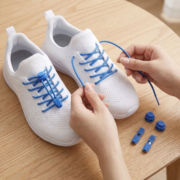
Why No-Tie Shoelaces Are Becoming So Popular Today?
Tying shoelaces can feel like a small task, but loose knots, uneven tension, and repeated retightening can become frustrating throughout the day. That is why more people are turning to no-tie options for a simpler footwear experience. In the middle of this shift, Kwik Lace systems offer a practical way to keep shoes secure while reducing the need for traditional tying. Their convenience suits busy routines, active users, and everyday footwear alike.
What Are No-Tie Shoelaces?
No-tie shoelaces are designed to keep footwear securely fitted without requiring users to tie traditional bows. Instead, they typically use elastic materials, locking mechanisms, or specialized fastening systems that allow the wearer to put on and remove shoes more easily.
Unlike standard lace systems, these alternatives can remain attached to the shoe. Once adjusted properly, users can often slip their feet into the footwear without repeating the tying process.
This simple change can make a noticeable difference for people who frequently put on and remove their shoes. It also provides a cleaner appearance while maintaining a practical fit.
Why Are No-Tie Shoelaces Becoming Popular?
Several everyday problems have contributed to the growing interest in no-tie footwear solutions. People want shoes that are comfortable, convenient, and easy to manage without spending extra time adjusting them.
Here are some of the main reasons behind their popularity:
- Quick and easy use: Shoes can often be put on faster.
- Consistent fit: The fastening system can maintain similar tension throughout the day.
- Reduced knot problems: Users do not have to deal with loose or untied bows as frequently.
- Useful for active lifestyles: No-tie systems work well for walking, workouts, travel, and recreational activities.
- Neater appearance: They can give shoes a streamlined look.
- Easy adjustments: Many systems allow users to customize the fit according to their preference.
As daily routines become more demanding, small conveniences can have a meaningful impact. No-tie systems address one of the simplest but most repetitive parts of wearing shoes.
How Do No-Tie Shoelaces Improve Everyday Convenience?
Traditional laces require users to tie and untie them repeatedly. While this takes only a few seconds, the process becomes inconvenient when it happens several times a day.
No-tie systems reduce that repetition. After the initial adjustment, the wearer can usually slip the shoes on and off with less effort.
Faster Shoe Changes
People who change footwear frequently can benefit from a system that does not require repeated knotting. This can be particularly useful when moving between work, exercise, errands, or outdoor activities.
Less Time Spent Adjusting Laces
A traditional lace can loosen while walking and may need to be retied. No-tie alternatives are designed to help maintain the desired tension, reducing unnecessary interruptions.
Convenient for Travel
Travelers often need to remove shoes at security checkpoints, airports, hotels, or during long journeys. A convenient fastening system can make these transitions easier.
What Makes No-Tie Systems Comfortable?
Comfort depends on more than the softness of a shoe. The way footwear fits around the foot also matters. Laces that are too tight can create pressure, while overly loose footwear may move around during walking.
No-tie systems can provide a more consistent fit when adjusted correctly. Elastic designs may also allow the fastening system to move slightly with the foot instead of remaining completely rigid.
However, comfort still depends on choosing the right shoe size and adjusting the fastening system properly. A no-tie design cannot compensate for footwear that is fundamentally too small or too large.
Who Can Benefit From No-Tie Shoelaces?
No-tie options are not limited to one type of shoe user. Their practical design can suit many people with different routines and footwear preferences.
Busy Professionals
People who spend long days moving between work, commuting, and errands may appreciate footwear that requires less adjustment.
Active Individuals
Walkers, gym users, runners, and recreational athletes may find no-tie systems useful because they can reduce distractions caused by loose laces.
Children
Children may benefit from easier footwear management, especially when they are still learning how to tie traditional bows. Parents can also appreciate a simpler fastening routine.
Older Adults
For people who find repeated bending or tying uncomfortable, no-tie footwear can provide a more convenient alternative.
Travelers
Anyone who frequently removes and puts on shoes during travel can benefit from a fastening system that simplifies the process.
No-Tie Shoelaces vs. Traditional Laces
Both options can work well, but they provide different experiences. Traditional laces offer familiar adjustment and are available on almost every type of footwear. No-tie alternatives focus more strongly on convenience and ease of use.
| Feature | Traditional Laces | No-Tie Shoelaces |
|---|---|---|
| Tying required | Yes | Usually no |
| Easy to remove | Moderate | High |
| Fit adjustment | Manual | Often adjustable |
| Daily convenience | Standard | High |
| Knot-related issues | Possible | Reduced |
| Suitable for active use | Yes | Often suitable |
| Appearance | Classic | Clean and streamlined |
The right choice depends on personal preferences, footwear type, and how the shoes are used. Someone who enjoys traditional styling may prefer regular laces, while someone prioritizing convenience may prefer a no-tie system.
How Should You Choose a No-Tie Lace System?
Not every fastening system works exactly the same way. Before replacing the existing laces in your shoes, consider several practical factors.
Check the Material
Look for materials that balance flexibility, durability, and comfort. Elastic options should provide enough stretch for movement without becoming excessively loose.
Consider the Shoe Type
A system that works well on casual sneakers may not be ideal for every athletic or specialty shoe. Consider the shoe’s construction, eyelets, and intended activity.
Look at the Adjustment Method
A good system should allow you to achieve a comfortable fit. Make sure you understand how the tension is adjusted before installation.
Think About Your Daily Routine
Consider when and where you wear the shoes. If you frequently walk, travel, exercise, or change footwear, convenience may be especially valuable.
How Can You Get the Best Fit?
Proper adjustment is essential for getting the most from no-tie footwear. Even a well-designed system can feel uncomfortable if the tension is incorrect.
Start by loosening the fastening system enough to place your foot comfortably inside the shoe. Then gradually adjust the tension until the shoe feels secure without creating excessive pressure.
Walk around for a few minutes and pay attention to movement around the heel and upper part of the foot. If the shoe feels too tight or too loose, make small adjustments rather than changing the tension dramatically.
It is also worth checking the fit after several uses. Materials can settle slightly, and your preferred tension may change once you become familiar with the system.
Are No-Tie Shoelaces Suitable for Active Footwear?
Many people use no-tie systems with sneakers and other active footwear because they value convenience. However, the suitability depends on the particular product and the activity.
For casual walking, everyday exercise, and general recreational use, a properly fitted system can be practical. For activities involving intense movement, rapid changes in direction, or specialized performance requirements, users should choose a fastening system specifically designed for that type of footwear.
The key consideration is security. Shoes should remain comfortably fitted without creating unnecessary pressure or movement.
How Do No-Tie Laces Affect Shoe Appearance?
Footwear appearance is another reason people choose alternative lace systems. Traditional bows can sometimes look bulky or become uneven during wear.
No-tie designs can create a cleaner appearance by reducing visible knotting. This can work particularly well with modern sneakers, casual shoes, and minimalist footwear.
Still, appearance should not come at the expense of comfort. A good fastening system should combine a neat look with a secure and comfortable fit.
Are No-Tie Shoelaces Durable?
Durability depends on the quality of the materials and how frequently the footwear is used. Because the fastening system may stretch and move repeatedly, material quality is particularly important.
Users should inspect their laces periodically for signs of excessive stretching, fraying, or damage. Replacing worn components before they fail can help prevent unexpected problems.
Proper installation also matters. Following the manufacturer’s instructions can help reduce unnecessary stress on the material and fastening components.
Practical Tips for Using No-Tie Shoelaces
A few simple habits can help you get better performance from your footwear.
- Adjust the tension gradually rather than pulling the lace excessively.
- Make sure the shoe fits properly before installing a new fastening system.
- Check the fastening mechanism periodically.
- Clean the laces according to the material’s care requirements.
- Replace damaged or excessively stretched components.
- Choose a system designed for the type of activity you regularly perform.
- Avoid assuming that tighter always means more secure; excessive tension can reduce comfort.
These steps can help extend the useful life of the system while keeping the footwear comfortable.
Why Convenience Matters in Modern Footwear
Footwear has gradually become more focused on comfort, practicality, and personal fit. People increasingly expect everyday products to reduce unnecessary effort without sacrificing appearance.
No-tie shoelaces fit naturally into this approach. They address a small everyday inconvenience while giving users more control over how their shoes feel and function.
The appeal is especially clear when convenience is repeated throughout the day. Saving a few seconds each time may seem insignificant, but over weeks and months, those small improvements can make footwear easier to manage.
Conclusion
No-tie shoelaces are becoming increasingly popular because they address common problems associated with traditional footwear fastening. They can make shoes easier to put on, reduce repeated tying, support convenient adjustments, and provide a cleaner appearance. For busy professionals, active users, children, older adults, and travelers, these benefits can make everyday footwear more practical. However, choosing the right system and adjusting it correctly remain important for comfort and security. As footwear continues to focus on convenience and personal fit, no-tie fastening options offer a straightforward way to make daily shoe use simpler.
FAQs
What are no-tie shoelaces?
No-tie shoelaces are fastening systems that secure shoes without requiring a traditional bow. They can make footwear quicker and easier to put on and remove.
Are no-tie shoelaces comfortable?
Yes, they can be comfortable when properly adjusted. The ideal tension should keep the shoe secure without creating excessive pressure around the foot.
Can no-tie shoelaces be used for sneakers?
Many no-tie systems are suitable for sneakers. However, users should check that the specific system is appropriate for the shoe and the activities they plan to perform.
Are no-tie shoelaces good for children?
They can be convenient for children who have difficulty tying traditional laces. Parents should still make sure the shoes fit properly and remain securely fastened.
How do I choose the right no-tie shoelaces?
Consider the shoe type, lace material, adjustment method, comfort, durability, and your usual activities. The best option should provide a secure fit while remaining easy to use.