
Why Is It Important To Drain Radon From Indoor Areas?
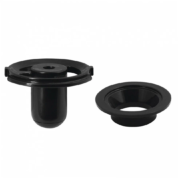
Radon is a naturally occurring radioactive gas that can enter homes through soil and foundation cracks, creating serious long-term health risks. Many homeowners remain unaware of its presence because it is invisible and odorless. Proper drainage and control methods help maintain safe indoor environments and reduce exposure risks over time. Effective management such as Volcano drain radon systems plays an important role in improving indoor air safety and protecting occupants from harmful accumulation.
Radon and Its Indoor Behavior
Radon forms naturally from the breakdown of uranium in soil, rock, and water. It moves through the ground and enters buildings through openings in foundations, crawl spaces, and utility lines. Once inside, it can accumulate to dangerous levels, especially in poorly ventilated areas. Homes with basements or slab foundations are more vulnerable. The gas mixes with indoor air and becomes trapped, making it difficult to detect without proper testing equipment.
Health Risks Linked to Radon Exposure
Long-term exposure to radon increases the risk of lung damage, as the gas releases radioactive particles that can be inhaled. These particles settle in lung tissue and gradually damage cells over time. Non-smokers and smokers alike face increased risk, although smoking combined with radon exposure significantly raises the danger level. Health effects usually do not appear immediately, which makes regular testing and mitigation essential for maintaining a safe living environment.
Why Indoor Radon Drainage Is Necessary
Indoor radon drainage helps prevent gas buildup by redirecting it away from living spaces before it enters the air you breathe. Proper drainage systems reduce pressure under the foundation, limiting the movement of radon into the home. This process helps maintain stable indoor air quality and lowers long-term exposure risks. Without effective drainage, radon can accumulate unnoticed and reach levels that exceed safety guidelines set for residential environments.
Role of Soil Depressurization Systems
Soil depressurization systems work by creating suction beneath the foundation to collect radon gas and vent it safely outside. A fan system pulls the gas through pipes installed under or around the structure. This method is widely used because it directly targets the source of radon entry. It provides consistent reduction of indoor radon levels and works effectively in both new and existing buildings, ensuring continuous protection for occupants.
Importance of Proper Ventilation Pathways
Ventilation pathways play a key role in supporting radon drainage systems. These pathways allow collected gas to exit the structure safely above the roofline, where it disperses into the atmosphere. Proper placement of vent pipes ensures that radon does not re-enter the building through windows or openings. A well-designed pathway reduces pressure buildup and maintains steady airflow, which contributes to consistent radon control throughout the entire property.
Key Steps in Effective Radon Drain Installation
Installing a radon drainage system requires careful planning and proper execution to achieve reliable results. Each step helps ensure the system works efficiently and safely over time.
- Testing indoor radon levels using certified detection kits
- Identifying foundation entry points such as cracks and gaps
- Selecting an appropriate suction method based on structure type
- Installing vent pipes that direct gas above roof level
- Sealing foundation openings to limit additional gas entry
- Adding continuous monitoring for long-term performance checks
Following these steps ensures that radon levels remain under control and indoor air quality stays within safe limits. Professional installation is often recommended for accurate system design and effective operation.
Maintenance and Monitoring of Radon Systems
Radon drainage systems require regular maintenance to ensure consistent performance. Fans and vent pipes should be inspected periodically for blockages, wear, or mechanical issues. Indoor radon levels should also be tested at least once every year to confirm system efficiency. Small changes in soil conditions or building structure can affect performance over time. Continuous monitoring helps detect any increase in radon levels early and allows timely corrective action.
Conclusion
Controlling radon indoors remains an important step in protecting long-term health and maintaining safe living conditions. Since radon cannot be seen or smelled, proper drainage and monitoring systems are the only reliable way to manage exposure. Effective installation, regular testing, and system maintenance work together to keep indoor air safe. Prioritizing radon control ensures a healthier environment for everyone living inside the building.