
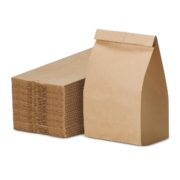
Innovative Custom Food Paper for Better Packaging Performance
Modern food presentation and storage systems are being influenced by sustainable packaging options. Custom food paper will make significant contributions to enhancing the wrapping, serving, and branding of food in food businesses. The quality of materials that restaurants, cafes, and bakeries use in their day-to-day operations depends on the quality of the material used in handling and presentation of food. The design of packaging determines the perception of the customers and helps the operation to be efficient in the food service setting, where hygiene and structure are important. The choice of material impacts the durability, print quality, and performance when handing to businesses that expect to have a consistent customer experience between takeaway and dine-in restaurants. The brand presentation decisions generate a recognition value and enhance perceived quality of the packaged meals, and ensure simplicity in the operational processes of food providers in the competitive markets. delivery systems and consistent customer satisfaction goals, requirements, and standards alignment improvement.
Market View
The packaging materials have a growing market in the food service industry. Wholesale custom food paper is sold to restaurants and catering businesses that need a steady supply of paper. The trend in demand is in the growth of food packaging customization in urban and rural markets, with a growing preference for branding consistency. With diverse client needs, suppliers tailor production systems to suit different needs, such as bulk distribution and distribution schedules according to the time of day and the location of the client. Innovation in packaging helps in the efficiency of operations,coupled with the safety of the product and the aesthetic value of the product to the food businesses that operate in high-volume demand settings. Storage and transport issues are used to determine the material to be used that guarantees a constant quality when it is moved through the supply chain and when it is displayed at the retail level. Demand trends alignment is critical to market stability.
Material Focus
The use of materials in food packaging systems is determined by their quality standards. Manufacturers make sure that food paper bags can withstand durability and print legibly to be used in business. Surface treatments enhance ink uptake and ensure consistency of texture over a series of applications in food service packaging settings. Quality control checks the properties of thickness, strength, and moisture resistance to guarantee reliability in performance at handling and storage stages. Cost efficiency and availability of materials to businesses that need to have a steady supply of materials to package their products for the various markets are influenced by material sourcing strategies. The testing process ensures that the print adhesion and surface integrity during the different temperature and humidity conditions found in production situations are validated. Material consistency makes sure that there is a consistent appearance at all levels of packaging applications.
Design Role
The design of a package system will affect the perception of the consumer. Custom food paper liners are used by food service brands to improve the visual presentation of the serving activities. Patterns in color schemes and layouts can add recognition value and be consistent across various food delivery situations. The aspects of structural design influence usability and efficiency of handling in service environments that are fast-paced, and speed and clarity are important factors. The integration of visual branding promotes consistency in marketing in the packaging materials of restaurants, cafes, and catering services. Sharpness and clarity of graphics printed on packaging surfaces depend on printing techniques that guarantee readable elements of the brand application during contact with the customer. Constant design enhances product line recognition and enables long-term alignment of goals with visual identity development.
Packaging Use
There are different functional requirements in food service environments that have different packaging applications. Food paper bags are used by retailers in takeaway services where they need to contain and present the food. Durability is based on structural strength and material composition in the transport and handling phases in high-traffic food facilities. The alignment of design makes the presentation of the products similar in all the packaging formats in restaurants, cafes,s and delivery systems. The choice of the material determines the characteristics of grease resistance and moisture control that are needed to preserve the integrity of the product in the course of serving. Standardized production methods are needed in packaging systems to maintain the same quality of the product in large-scale operations and distribution channels. Functional packaging facilitates the operational flow and enhances service delivery efficiency in high-demand food environments, sustainability factors, and compliance metrics.
Branding Value
The elements of branding influence recognition and customer loyalty in the food service industry. Food paper wrap is used by companies to support visual identity in the process of presenting products. The similarity of design among the packaging materials will create a greater recognition value and allow a repeat customer to get in touch with the company via various service channels. Strategies of visual presentation can have an effect on consumer perceptions of product quality in competitive food markets where brand clarity is important. The color accuracy and durability applied to the long-term branding performance across packaging surfaces applied in service operations are determined by material printing techniques. Brand alignment involves regularity of messaging in various packaging designs that guarantee familiarity among the different customers in food markets. Identity reinforcement helps in the total packaging functionality and clarity of market positioning within the standards of industry alignment.
Production Flow
The flow systems in production processes identify efficiency in the packaging production settings. There are many packaging applications using food paper sheets that need to be produced in large quantities and with a consistent quality of the output. The machine calibration influences accuracy and consistency within production lines that guarantee consistent material output to be used in packaging. The workflow design has an effect on throughput and resource usage in manufacturing factories where large volumes of demand occur. Quality control measures are used to guarantee consistency in printing and structural stability of batches printed to be used in commercial packaging. The processes of material handling minimize waste and enhance efficiency in production systems that underpin large-scale manufacturing needs. Automation devices help in ensuring uniformity throughout the production processes and help in sustaining the accuracy of the operations and performance monitoring systems integration criteria, measurement review cycles.
Retail Demand
The demand trend in retailing determines the volume of packaging in food service markets. In customer-facing areas, stores use printed food paper to enhance the presentation of products. The visual appeal is used to attract customers and help maintain brand identity in various retail formats. Custom paper with logos the quality of the material has an impact on durability and clarity of printing to ensure that the presentation of the product is similar throughout the handling and display stages. The retail packaging strategies rely on effective supply chain management and stable production output to sustain the level of customer satisfaction. Uniformity in packaging designs enhances brand identity in competitive markets and consumer confidence in product quality. The success of retailing is based on the presentation criteria, material reliability, operational efficiency, customer interaction, measure alignment, system control, and review.
Conclusion
The packaging practices within food service settings are based on organized material selections. Custom food paper helps in the daily operations of food through regular presentation, handling, and efficiency. The choice of material has an impact on the durability, print clarity, and branding efficacy in a variety of packaging applications in the food industry context. Large-scale production is supported using manufacturing systems that ensure quality and a consistent output of packaging material to use in food service settings. The needs of the industry include sourcing that is dependable and efficient, production that guarantees a consistent supply and integrity of products through the distribution channels and retail systems. A consistency in the packaging promotes customer satisfaction and brand reliability across market standards, quality assurance metrics review.