
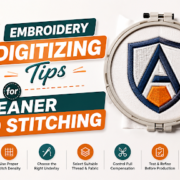
7 Embroidery Digitizing Tips for Cleaner Logo Stitching
Embroidery digitizing is the process that turns a flat logo into a stitch file a sewing machine can read and follow. Clean logo stitching depends on a few simple choices made before the machine ever starts, not luck. Many small business owners turn to custom embroidery digitizing to keep every logo sharp, even on tricky fabric like fleece or denim.
A poorly digitized file often leads to thread breaks, puckered fabric, or text that looks blurry once it is stitched. The good news is that a handful of habits fix most of these problems. This guide walks through seven proven tips that keep stitching crisp, along with the reasons skilled embroidery digitizing services rely on them every single day.
What Is Embroidery Digitizing?
Embroidery digitizing means converting an image, like a company logo, into a digital stitch file. The file tells the embroidery machine where each needle should land, which stitch type to use, and when to change thread color. A machine cannot read a normal image file such as a JPG or PNG on its own. In my experience, the quality of this one file decides whether the final embroidery looks sharp or sloppy.
Why Clean Logo Stitching Matters
A logo represents a brand, so it needs to look right every single time it gets stitched. Loose threads, crooked text, or faded colors can make even a great design look careless. I have noticed that customers judge a company’s quality the moment they see its embroidered logo on a shirt or hat. That is why getting the digitizing right from the start saves time, thread, and money.
Tip 1: Start With Clean, High Resolution Artwork
Every clean embroidery design starts with a clear logo file. A vector file, such as an AI, EPS, or SVG, gives the sharpest edges because it does not lose quality when resized. If only a JPG or PNG is available, pick one with at least 300 DPI so the lines stay crisp. Blurry or pixelated art almost always leads to rough, uneven stitching once it hits the fabric.
Tip 2: Simplify Small Text and Fine Details
Tiny letters and thin lines often look fine on a screen but turn into a tangled mess once stitched. Letters smaller than about a quarter inch tend to lose their shape under thread. Removing extra detail, thickening thin strokes, and sticking to bold, simple shapes helps the design hold up on fabric. This one step alone fixes many of the blurry logo complaints people run into.
Tip 3: Pick the Right Stitch Type for Each Part
Different parts of a logo need different stitches to look their best. A satin stitch gives text and borders a smooth, shiny finish. A fill stitch, also called a tatami stitch, covers large solid areas with texture and strength. A running stitch works best for fine outlines and small details. Choosing the right stitch for each shape keeps the whole design looking balanced and clean.
Tip 4: Use Underlay and Control Stitch Density
An underlay is a hidden layer of stitches placed before the top stitches go on. It stabilizes the fabric so the finished design lies flat instead of puckering. Stitch density, which means how close the stitches sit together, matters just as much. Too many stitches in one spot create stiff, heavy patches, while too few leave gaps. Balancing both keeps the logo smooth and even on any fabric.
Tip 5: Set Stitch Direction and Clean Pathing
Stitch direction changes how light bounces off the thread and how strong the design feels once it is sewn. Mixing directions across different shapes adds depth and helps the logo read clearly from a distance. Clean pathing, or the order in which stitches are sewn, also cuts down on extra thread jumps. Fewer jumps mean fewer loose threads to trim and a tidier finish overall.
Tip 6: Match Thread Colors and Adjust for Fabric
Picking thread colors that match a brand exactly keeps the finished logo looking professional. Most digitizers compare thread charts, like Pantone codes, to the logo colors before any stitching begins. Fabric also changes the plan. Stretchy knit shirts need different settings than stiff caps or thick jackets. That is why many designers recommend testing density and underlay choices separately for each fabric type.
Tip 7: Always Run a Test Stitch Out First
A test stitch out means sewing the design once on a scrap piece of the same fabric before the real production run starts. This single step catches problems like puckering, thread breaks, or misaligned shapes early, before any materials get wasted. Skipping this step is one of the most common reasons logos come out looking wrong. A few extra minutes here saves hours of rework later on.
How IDigitize Puts These Tips Into Practice
IDigitize trains every digitizer to follow these same seven steps on each order, not only on big projects. The team encourages clients to send clean artwork, the exact placement size, and the fabric type before any file gets built. This habit catches most problems before a single stitch happens, which keeps reorders and complaints low for everyone involved.
Why Work With Professional Embroidery Digitizing Services
Many shoppers across the country search for embroidery digitizing services in usa or embroidery digitizing services usa when they want fast, reliable help with a logo. Others look for embroidery digitizing service usa, embroidery digitizing service in us, or simply the best embroidery digitizing services in usa to compare a few options before picking one. A trusted list of best embroidery digitizing services providers in the usa usually includes companies that test every file before sending it out.
Some business owners only need embroidery digitizing services for one single logo, while others want digitizing services for embroidery work across an entire clothing line. Whether someone calls it a digitizing service for embroidery, digitizing services embroidery, or simply an embroidery digitizing service, the goal stays the same: a clean stitch file that works the first time. Brands wanting a personal touch often choose custom embroidery digitizing services or a single custom embroidery digitizing service built around their exact logo, and custom embroidery digitizing services in usa remain popular with local shops.
People who want quality without overpaying usually search for the best embroidery digitizing service or compare a few best embroidery digitizing services before deciding. Many also look for digitizing embroidery services, a digitizing embroidery service, or simply a place to digitize embroidery service files quickly. With more shops working remotely, embroidery digitizing services online and an online embroidery digitizing service have both grown fast, giving small businesses access to skilled digitizers from anywhere in the country.
Frequently Asked Questions
What is embroidery digitizing?
Embroidery digitizing is the process of turning a logo or image into a stitch file that an embroidery machine can read and sew onto fabric.
How much does professional digitizing cost?
Pricing usually depends on design size and detail, with most logo files ranging from around 10 to 75 dollars depending on complexity.
How do I find a good embroidery digitizing service near me?
Look for reviews, sample work, and clear turnaround times, since a strong embroidery digitizing service near me should always offer a quick test file.
Is it safe to use an online embroidery digitizing service provider?
Yes, a reputable online embroidery digitizing service provider will share samples and file formats upfront, and most reliable online embroidery digitizing service options offer revisions if something looks off.
How do I choose the best embroidery digitizing service provider in usa?
Compare turnaround time, pricing, and sample quality, since the best embroidery digitizing service provider in usa will usually offer a free test stitch before a full order.
Final Thoughts
Clean logo stitching is not about luck. It comes from clear artwork, smart stitch choices, and a habit of testing before full production begins. Following these seven tips can turn a shaky first attempt into a sharp, lasting design that holds up wash after wash. For anyone who wants expert hands on the process, IDigitize builds every file with these same habits in mind.
A clean logo says more about a brand than most people realize. Taking the time to digitize it properly is a small step that pays off every time the design gets stitched.