
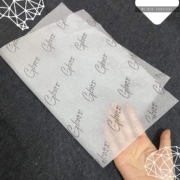
Custom Printed Tissue Paper for Consistent Packaging Visual Style
Custom printed tissue paper is a significant element in contemporary packaging design, where the presentation and brand identity synchronize customer experience. It is used by businesses to develop a cohesive wrapping solution that is representative of their visual identity, both in retail items and shipping packaging. It assists in the display of products in the stores and online sales outlets, where the appearance of the packaging determines how customers perceive and make buying choices. Brands depend on systematic printing techniques to ensure clarity and consistency of design patterns in the various packages of different volumes. The demand keeps increasing because in the current competitive markets, businesses put more emphasis on the consistency of packaging, the quality of the material used, and high visual identity. A close choice in the methods of printing will guarantee permanence and better identification for various sets of customers. Packaging solutions enhance systems of overall brand communication impacts.
Print Quality
Brand perception is determined by print accuracy in packaging materials. Visual trust is affected by ink alignment and clarity for customers. The degree of surface absorption influences the production of details on tissue substrates. The results of high definition printing are increased brand recall through packaging solutions with customized tissue paper to reinforce identity with a logo. Stability in print production minimizes fluctuation between production batches. Color fidelity is the ability to render the elements of brand identity. Quality control processes ensure consistency in the result of the printed surface. Digital calibration schemes facilitate the uniformity of ink flow in diverse printing systems across commercial packaging production lines, with sufficient visual stability needed to meet brand identity demands across retail distribution channels, integrating production quality assurance system output control.
Material Choice
Packaging performance in commercial applications is affected by the material’s durability. Wrapping sheets are dependent on fiber composition so as to give them strength and flexibility. Surface finish influences the absorption of ink and clarity of the visuals in printing. Bulk sourcing strategies enhance efficiency in the supply chain in the case of custom tissue paper with logo choices regarding large-scale packaging operations. Material grade consistency guarantees consistency in production run performance. Dampness protection helps in preserving the structure during handling. In packaging systems, weight selection influences folding capability and packaging presentation stability. The manufacturing standards are used to select the raw materials that are consistent throughout the printing operations in a packaging production context that accommodates structured output requirements that align the quality of the output with the supply system. Material conformity provides stability in operations, taking over operational control, and the integration process flow.
Design Control
The design structure affects the packaging consistency in branding systems. The amount of layout precision influences visual hierarchy and readability in print. Space choices determine the clarity of the message and the brand recognition. Structured layout systems enhance the perception of users using the tissue papers when presenting packages. Consistency of alignment guarantees visual consistency in various elements of the design. The location of type influences the readability among branded packaging styles. Contrast balance enhances the distinction of various visual elements. Design systems’ structural consistency helps brand recognition by providing repetition of exposure within the packaging context and retail communication systems that retain consistent presentation standards to interpret and identify products, processes, and visual hierarchy reinforcement across systems, enhancing brand clarity and improving design system control flow consistency.
Packaging Style
Customer perception is formed by the packaging structure when interacting with the product. Layering of materials has an effect on the visual effect and the touch of the packaging. Color combination promotes recognition in branded packaging. Aesthetic consistency enhances the effectiveness of branding in the implementation of printed tissue paper in the retailing system of packaging. Presentation structure in packaging handling processes is influenced by the quality of the fold. Surface treatment affects the effects of ink retention and print sharpness. The design consistency is a guarantee of a cohesive visual communication between product lines. The packaging performance standards determine the brand recognition by the visual repetition effect on the retailing setting and distribution systems that ensure an ordered presentation flow and control identity reinforcement throughout the product communication levels to support brand memory formation and attention reliability across channels, system coherence, and consistency reinforcement.
Retail Appeal
The presentation of retail has an impact on customer interaction at the point of sale. Product attractiveness in commercial settings is influenced by visual merchandising. Aesthetics of packaging influence brand value perception when buying. Retail packaging compatibility enhances shelf exposure with the aid of printed tissue paper sheets in a high-order display presentation. The uniformity of visual features promotes identification in retail arrangements. The texture of materials is an addition to perceived product quality in stores. The interaction of light with the packaging materials printed influences the appearance. Display organization influences consumer attention patterns in retail settings that support structured engagement and brand recognition consistency through repeated exposure of package elements that ensure clarity in presentation hierarchy and strengthen visual identity across commercial display systems deployed in retail space, brand reinforcement, and control flow.
Wholesale Supply
The efficiency of the supply chain influences the packaging availability of the production cycles. Bulk procurement facilitates a steady flow of materials in production processes. Inventory control provides stability in the production schedules of packaging. When the choice of printed tissue paper as a distribution medium in packaging supply systems is made through wholesale sourcing, large-scale sourcing enhances distribution efficiency. Production consistency ensures that there is consistency in output within various production batches. Logistics coordination has effects on the timing of delivery and the reliability of supplies. The choice related to the sourcing of materials determines the effectiveness of cost and stability of operations. Wholesale distribution systems facilitate regular packaging supply within retail and manufacturing systems, which provide continuity of supply and production of brands through large-scale operation, maintenance, and brand stability through regular procurement systems and management systems of inventory flow, which enhance stability in the supply chain through systematic procurement and regular management of inventory flow.
Market Use
Market positioning is a brand identity in the communication channels of packaging. Perception of packaging quality in retail settings is affected by consumer interaction. The brand awareness relies on the continuity in product touchpoints. In branded materials, packaging identity enhances recognition in the use of tissue paper with logos in various markets. Visual consistency improves memorability in the retail competitive setting. Presentation of the materials will affect brand perception when interacting with customers. Custom paper with logos design coherence promotes identifications in various packaging types. Brand communication systems are based on organised visual identity in all elements of packaging that guarantee the same recognition and strengthening of brand message in retailing settings that retain clarity in display, as well as customer awareness and recognition through repetition in marketing and distribution channel systems alignment, control,l and impact.
Conclusion
Custom printed tissue paper can be used to present a brand in packaging settings. Retail communication and customer perception have a visual identity at their heart. In markets, the structure of packaging plays a role in recognition by exposure repetition. Brand awareness is influenced by design consistency in various touchpoints. The choice of materials has implications for durability and clarity of print in production systems. Communication of the brand relies on the organised packaging choices. Customer engagement and recognition are consistent through retail presentation. Visual structure and controlled printing techniques that guarantee clarity of brands in retail environments, facilitating identity reinforcement and customer awareness by maintaining consistency in presentation format and consistent material application in commercial distribution and merchandising settings, are the source of impact on packaging systems.