
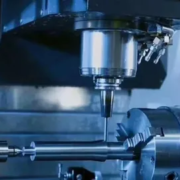
CNC Machining Prototyping to Accelerate Product Testing
CNC machining prototyping has become one of the most reliable methods for speeding up product development and testing in modern manufacturing. By using computer-controlled machining processes, engineers can quickly transform digital designs into physical parts with high precision and repeatability.
This approach significantly reduces development time, allowing companies to test functionality, identify design flaws, and refine products before full-scale production. As industries demand faster innovation cycles, CNC machining prototyping plays a critical role in staying competitive.
Faster Product Development Cycles with CNC Machining Prototyping
CNC machining prototyping enables manufacturers to shorten the time between design and testing. Instead of waiting weeks for traditional tooling, prototypes can be produced within days, helping teams move rapidly from concept to validation. This speed is essential in industries like automotive, aerospace, and consumer electronics.
By integrating cnc machining prototyping into the early design phase, companies can continuously improve their products based on real-world feedback. This iterative process reduces delays and ensures better final designs.
Key benefits:
- Rapid turnaround time for prototype parts
- Reduced dependency on expensive tooling
- Faster validation of design concepts
- Improved collaboration between design and engineering teams
High Precision and Accuracy in Prototype Testing
One of the strongest advantages of cnc machining prototyping is its ability to produce highly accurate components. CNC machines follow exact digital instructions, ensuring that each prototype closely matches the intended design specifications. This precision is essential for functional testing.
Accurate prototypes help engineers evaluate performance under real conditions. Whether testing mechanical fit, load capacity, or thermal resistance, precision machining ensures reliable results that reflect actual production quality.
Key benefits:
- Extremely tight tolerances for complex parts
- Consistent quality across multiple prototypes
- Accurate simulation of final production components
- Reduced risk of design errors during testing
Material Versatility for Real-World Testing
CNC machining prototyping supports a wide range of materials, including metals, plastics, and composites. This flexibility allows engineers to test how a product performs under different material conditions before finalizing production choices.
By using cnc machining prototyping, companies can experiment with aluminum, steel, ABS, nylon, and more to evaluate durability, weight, and cost efficiency. This helps ensure the final product meets both performance and budget requirements.
Key benefits:
- Wide selection of engineering-grade materials
- Ability to test strength, flexibility, and heat resistance
- Easy comparison between different material options
- Better material selection for final production
Cost Efficiency in Early Product Testing
Although CNC machining may seem expensive at first glance, cnc machining prototyping actually reduces overall development costs. By identifying design flaws early, companies avoid expensive tooling changes and mass production errors.
This cost-saving approach is especially valuable for startups and small manufacturers. Instead of investing heavily in molds or dies, they can validate designs through machining prototypes before committing to large-scale production.
Key benefits:
- Reduced cost of design revisions
- Elimination of expensive tooling errors
- Lower waste during development stages
- Efficient use of manufacturing resources
Improved Design Validation and Functionality Testing
CNC machining prototyping allows engineers to physically test how a product performs in real-world conditions. This includes checking assembly fit, mechanical strength, and functional behavior under stress. These insights are crucial for final design approval.
With cnc machining prototyping, teams can quickly modify and retest designs, ensuring that every component meets performance expectations. This iterative validation process leads to more reliable and market-ready products.
Key benefits:
- Real-world functional testing of prototypes
- Quick design adjustments based on test results
- Improved product reliability and durability
- Reduced risk of failure in mass production
Conclusion
CNC machining prototyping has transformed the way products are developed and tested in modern manufacturing. By offering speed, precision, material flexibility, and cost efficiency, it allows companies to bring better products to market in less time.
As industries continue to demand faster innovation and higher quality standards, cnc machining prototyping will remain a key tool for accelerating product testing and improving overall design success.