
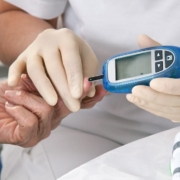
How Often Should People Test Glucose With Diabetes Safely?
Blood sugar changes can happen quietly, making regular glucose testing an important part of diabetes care. A proper testing routine helps people understand how food, activity, medication, and daily habits affect their health. Managing Type 1 and Type 2 Diabetes Complications requires awareness, consistency, and informed decisions. Although testing schedules vary from person to person, learning the right approach can help prevent serious problems and support better long-term wellness.
Understanding Why Glucose Testing Matters For Diabetes Care
Glucose testing provides valuable information about how the body responds to daily activities and treatments. For people living with Type 1 and Type 2 Diabetes, checking blood sugar levels regularly helps identify patterns that may require adjustments in diet, exercise, or medication. These readings allow patients and healthcare providers to make more informed decisions.
Blood sugar levels naturally change throughout the day. Meals, physical activity, stress, illness, and sleep can all influence glucose readings. Regular monitoring helps people recognize these changes instead of waiting for symptoms to appear.
Consistent testing also plays an important role in preventing health concerns related to uncontrolled blood sugar. High or low glucose levels that continue for extended periods may increase the risk of complications affecting the heart, kidneys, nerves, eyes, and other areas of the body.
How Often Should People With Type 1 Diabetes Test Glucose?
People with Type 1 diabetes usually need frequent glucose monitoring because their bodies do not produce enough insulin. Many individuals test several times each day to understand their current glucose levels and make safe treatment decisions.
The exact number of tests depends on personal health needs, insulin plans, lifestyle, and recommendations from a healthcare professional. Some people may need testing before meals, after meals, before physical activity, or before going to sleep.
Common Times For Type 1 Diabetes Glucose Checks
A typical testing routine may include:
- Before eating meals to understand starting glucose levels
- After meals to see how food affects blood sugar
- Before exercise to reduce the risk of low glucose
- During illness because glucose levels may change quickly
- Before bedtime to support overnight safety
Continuous glucose monitoring devices have also become useful tools for many people with Type 1 diabetes. These devices measure glucose levels throughout the day and provide information about trends rather than only individual readings.
Glucose Testing Needs For People With Type 2 Diabetes
Testing routines for Type 2 diabetes can vary widely. Some people may need frequent checks, especially if they use insulin or medications that can cause low blood sugar. Others may test less often based on their treatment plan and glucose control.
People with Type 2 Diabetes should work with their healthcare providers to create a monitoring schedule that fits their condition. Testing too little may hide important changes, while unnecessary testing may create stress without providing additional benefits.
Lifestyle choices also influence glucose patterns. A person who changes their diet, begins exercising regularly, or starts a new medication may need more frequent monitoring until their levels become stable.
Factors That Influence Testing Frequency
Several factors can affect how often someone should check their glucose levels, including:
- Type of diabetes and current treatment plan
- Use of insulin or other glucose-lowering medications
- Recent changes in health or medication
- Pregnancy or other special health conditions
- Ability to maintain target glucose levels
- Frequency of low or high blood sugar episodes
A personalized testing plan helps patients focus on meaningful information instead of following a schedule that does not match their needs.
Signs That More Frequent Glucose Testing May Be Needed
Certain situations require closer attention to blood sugar levels. Sudden changes in health, medication, or daily routines can affect glucose control and may require additional monitoring.
People may need to check their glucose more often during periods such as:
Illness Or Physical Stress
Infections, fever, and other illnesses can raise blood sugar levels even when eating habits remain unchanged. The body releases stress hormones during illness, which may interfere with normal glucose control.
More frequent testing during these times helps identify unusual patterns early. Healthcare providers may recommend specific steps for managing glucose during sickness.
Changes In Diet Or Exercise Habits
A major change in eating patterns or activity levels can influence blood sugar readings. For example, starting a new exercise routine may cause glucose levels to drop, especially for people using insulin.
Monitoring before and after physical activity helps individuals understand their body’s response. This information makes it easier to adjust routines safely.
Medication Adjustments
Starting a new diabetes medication or changing insulin doses may require closer glucose monitoring. Regular checks help determine whether the treatment is working properly and whether adjustments are needed.
Patients should avoid making medication changes based only on occasional readings. Working with a healthcare provider ensures safer decisions and reduces the risk of unwanted effects.
Understanding The Role Of Continuous Glucose Monitoring Systems
Continuous glucose monitoring (CGM) systems have changed how many people manage diabetes. Instead of relying only on traditional finger-stick tests, these devices provide regular updates about glucose levels throughout the day. They can show whether blood sugar is rising, falling, or staying steady.
CGM technology can be especially helpful for people who experience frequent glucose changes or difficulty recognizing low blood sugar symptoms. The information collected from these devices allows patients to notice patterns and discuss better management strategies with their healthcare providers.
However, CGM systems should be used correctly. People still need guidance from medical professionals to understand readings, adjust treatments safely, and respond appropriately to changes in glucose levels.
How To Create A Safe Glucose Testing Routine
A consistent testing routine makes diabetes management easier and more effective. Rather than checking randomly, people should follow a structured plan based on their health condition and treatment goals.
A safe routine begins with understanding personal glucose targets. These targets may differ depending on age, overall health, medications, and other factors. Healthcare providers can help establish realistic goals that support long-term health.
Practical Tips For Better Glucose Monitoring
People with diabetes can improve their testing habits by following these simple steps:
- Keep a record of glucose readings, meals, exercise, and medications
- Test at recommended times instead of skipping important checks
- Learn how different foods affect blood sugar levels
- Carry testing supplies when traveling or spending time away from home
- Review glucose patterns regularly with a healthcare provider
Keeping accurate records can reveal helpful trends. For example, a person may notice that certain meals consistently cause higher readings or that exercise improves glucose control.
Common Mistakes That Affect Glucose Testing Accuracy
Accurate glucose readings depend on proper testing techniques. Small mistakes can sometimes lead to incorrect results, making diabetes management more challenging.
One common mistake is testing with unclean hands. Food residue, especially from sugary foods, can affect readings and create misleading results. Washing and drying hands before testing helps improve accuracy.
Another issue is ignoring expired supplies. Test strips and monitoring equipment should be stored correctly and replaced according to manufacturer instructions. Using damaged or outdated supplies may affect the reliability of results.
People should also avoid making major treatment decisions based on a single unusual reading. A healthcare provider can help determine whether a result represents a temporary change or a larger concern.
How Regular Testing Helps Prevent Diabetes-Related Health Risks
Maintaining healthy glucose levels can reduce the chance of developing serious diabetes-related problems. Regular monitoring helps identify changes early, allowing people to take action before issues become more difficult to manage.
Poorly controlled blood sugar over time may contribute to several health concerns, including nerve damage, vision problems, kidney disease, and cardiovascular issues. Understanding glucose patterns gives people the opportunity to improve daily habits and follow treatment plans more effectively.
Type 1 and Type 2 diabetes require ongoing attention because both conditions can affect the body in different ways. Although treatment approaches may vary, regular monitoring remains an important part of protecting overall health.
Working With Healthcare Providers For Better Diabetes Management
Glucose testing works best when combined with regular medical guidance. Healthcare providers can review glucose records, evaluate treatment effectiveness, and suggest changes when needed.
Appointments are valuable opportunities to discuss challenges with monitoring, medication schedules, lifestyle changes, and glucose goals. Patients should share concerns openly instead of waiting until problems become serious.
A strong partnership between patients and healthcare professionals supports better decision-making. It also helps ensure that diabetes care remains suitable as health needs change over time.
Conclusion
Glucose testing plays a major role in helping people manage diabetes safely and confidently. The right testing frequency depends on individual needs, treatment plans, lifestyle factors, and medical recommendations. Regular monitoring helps identify changes early and supports better decisions about food, exercise, and medications. People living with Type 1 and Type 2 Diabetes can improve their quality of life by creating consistent habits and staying connected with healthcare providers. A personalized approach to glucose testing can reduce risks, support healthier outcomes, and make daily diabetes management more manageable.