
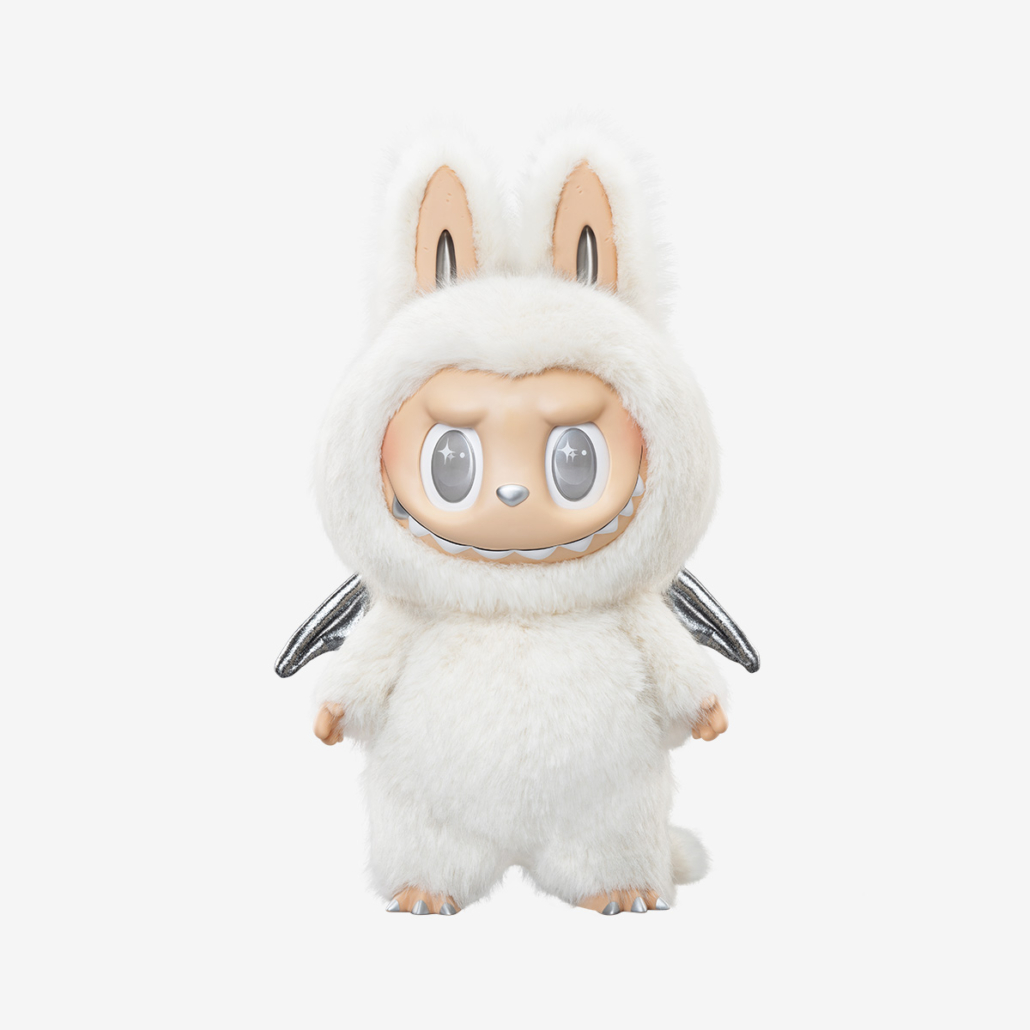
Introduction: The Quiet Rise of a Mischievous Icon
In the ever-expanding world of designer toys and collectible art figures, few characters have managed to capture global attention as quickly and unexpectedly as Labubu. What makes Labubu fascinating is not just its appearance, but the emotional reaction it triggers—somewhere between curiosity, affection, and a slight unease. It is not a typical “cute mascot” designed for instant appeal. Instead, it carries a strange, expressive personality that feels almost alive, as if it stepped out of a dark fairytale and into the modern world of collectibles.
Created within The Monsters universe by artist Kasing Lung and popularized through collectible blind-box culture, Labubu has grown from a niche art toy into a global phenomenon. Its appeal spans children, collectors, designers, and even casual observers who may not usually engage with art toys. The journey of Labubu is not just about a figure; it is about how storytelling, emotion, and design can converge into a cultural symbol.
Origins: Where Labubu Came From
The story of Labubu begins with the imaginative mind of Hong Kong–based artist Kasing Lung. Inspired by European fairy tales, illustrated storybooks, and whimsical fantasy creatures, Lung created a universe filled with strange beings known as The Monsters. Within this universe, Labubu stands out as one of the most recognizable characters.
Unlike traditional mascots that are built for immediate friendliness, Labubu was designed with contradiction in mind. It has a playful smile filled with sharp teeth, wide expressive eyes, and a slightly chaotic energy. It looks both harmless and mischievous at the same time. This duality is what makes it memorable.
When Pop Mart, a major Chinese collectible toy company, began producing Labubu figures in blind boxes, the character’s reach expanded dramatically. The surprise-based purchasing model added excitement, turning each unboxing into a small emotional event. Collectors were no longer just buying a toy; they were participating in a moment of anticipation and discovery.
Design Philosophy: Beauty in Imperfection
One of the most interesting aspects of Labubu is its rejection of traditional cuteness. In most mainstream character design, cuteness is achieved through softness—round shapes, symmetrical features, and gentle expressions. Labubu challenges that formula completely.
Its design embraces asymmetry, exaggerated facial expressions, and slightly chaotic proportions. The sharp teeth, in particular, are not meant to appear threatening in a conventional sense, but rather playful—like a creature caught between mischief and innocence.
This approach reflects a broader shift in modern design culture. People are increasingly drawn to characters that feel emotionally complex rather than purely decorative. Labubu represents that shift perfectly. It is not just a figure sitting on a shelf; it feels like a personality frozen in time.
The color variations and themed editions also add depth. Some versions appear forest-like and earthy, while others are pastel, cosmic, or even slightly eerie. Each variation tells a different emotional story, allowing collectors to interpret Labubu in their own way.
The Emotional Appeal: Why People Connect With Labubu
At first glance, Labubu might seem unusual or even unsettling to some viewers. Yet, for many fans, that is exactly the point. The character evokes a sense of emotional realism that overly polished designs often lack.
Humans are naturally drawn to imperfection because it feels authentic. Labubu slightly chaotic expression mirrors real emotional complexity—happiness mixed with mischief, innocence mixed with rebellion. It does not present a single emotion; it presents multiple feelings at once.
Collectors often describe their connection to Labubu as personal rather than purely aesthetic. It becomes a companion figure, something that sits on a desk or shelf and subtly changes the atmosphere of a space. Instead of being a passive decoration, it feels expressive.
This emotional resonance is one of the key reasons Labubu has remained popular across different cultures and age groups. It speaks a universal visual language that does not rely heavily on text or background knowledge.
Pop Culture Growth: From Collectible to Global Trend
The rise of Pop Mart played a significant role in turning Labubu into a global collectible icon. Through its blind-box distribution system, Pop Mart transformed character toys into a form of experiential entertainment.
The blind-box concept means buyers do not know exactly which version they will receive until they open the package. This introduces an element of surprise and rarity, similar to trading cards or mystery boxes. Some Labubu designs are common, while others are rare “secret editions” that become highly sought after in secondary markets.
Social media also accelerated Labubu’s popularity. Unboxing videos, shelf displays, and collector showcases spread rapidly across platforms. Each post added to the character’s mythology, creating a sense of community among fans worldwide.
Over time, Labubu evolved from a simple figure into a cultural symbol of modern collectible art—one that blends design, surprise, and emotional storytelling.
Variations and Artistic Expression
One of Labubu’s most compelling qualities is its adaptability. It has appeared in countless themed collections, each offering a new interpretation of its personality.
Some editions place Labubu in fantasy settings, surrounded by magical forests or glowing elements. Others reimagine it in seasonal themes such as winter, autumn, or festival-inspired designs. There are also darker, more mysterious versions that lean into gothic or surreal aesthetics.
This constant reinvention prevents the character from becoming stagnant. Instead of being locked into a single identity, Labubu exists as a flexible canvas for artistic exploration. Each release feels like a new chapter in an ongoing visual story.
For collectors, this variety creates an ongoing sense of anticipation. There is always something new to discover, and each piece adds another layer to the larger narrative universe.
Cultural Impact: Why Labubu Feels Different
In a world saturated with mascots and digital characters, La bubu stands out because it does not try too hard to be universally appealing. Instead, it embraces uniqueness—even strangeness.
This reflects a broader cultural movement where individuality is valued more than perfection. People are increasingly interested in objects that feel handcrafted, expressive, or emotionally layered. Labubu fits perfectly into this mindset.
It also represents the blending of art and commerce in a modern way. While it is undeniably a commercial product, it is also treated as a piece of art by many collectors. This dual identity blurs the line between toy and sculpture, mass production and artistic expression.
As a result, Labubu has become more than just a collectible—it has become a conversation piece about design, emotion, and modern aesthetics.
The Collector’s Experience
Owning Labubu is not just about possession; it is about participation. Collectors often build entire displays, carefully arranging different versions to create visual narratives. Some organize them by theme, while others focus on rarity or personal emotional attachment.
The act of collecting becomes a form of storytelling. Each figure represents a moment in time—when it was released, how it was obtained, and what it means to the collector personally.
There is also a strong community aspect. Fans share photos, trade figures, and discuss new releases. This sense of belonging adds another layer of value beyond the physical object itself.

Leave a Reply
Want to join the discussion?Feel free to contribute!