
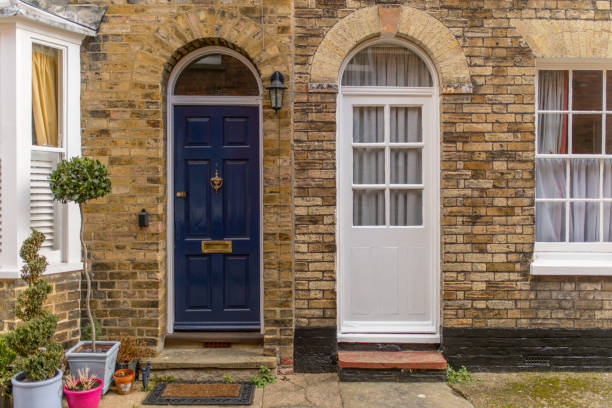
How Do Bespoke Doors Add Authenticity to Heritage Properties?
Heritage homes carry details that you simply cannot recreate with a quick renovation. Old timber. Uneven walls. Deep door frames and worn surfaces can give a property a sense of age that feels real. Doors play a quiet but important part in that feeling. They connect rooms while also adding shape and rhythm to the interior. When an old door gets replaced with a standard modern design the room can lose some of its original character. The door may look neat but it may not feel right. Bespoke doors offer a way to keep that connection. You can choose a size. Shape. Material and finish that suits the building. The new door does not need to pretend that it came from the same year as the house. It simply needs to respect the features that make the property special.
Why does authenticity matter in a heritage property?
Authenticity gives an older home its personality. A heritage property often has features that show how people built and lived in the past. The doors may have wide rails. Hand shaped mouldings or timber with a visible grain. These details can tell you something about the building. Replacing them with a generic door can remove that sense of continuity. Authenticity does not mean every part must remain untouched. Modern life brings new needs and old materials sometimes need replacing. The important part involves making changes that feel connected to the original architecture. A carefully designed door can help maintain that connection.
How can a custom door match an old doorway?
Older doorways often have unusual dimensions. You may find a tall opening in one room and a much smaller one in another. Some frames may have shifted slightly over the years. Standard doors come in fixed sizes so they may leave gaps or require changes to the frame. A custom door can follow the actual opening. Accurate measuring becomes important here. The maker can consider the height. Width and frame condition before building the door. When the fit looks natural the doorway keeps its original sense of proportion. That can make a bigger difference than people expect.
Can traditional panel designs make a new door feel authentic?
They can. Panel shapes often give heritage doors much of their identity. A four panel layout can suit many traditional homes. Six panel designs can create a more detailed appearance. Simple recessed panels may work better in a cottage or modest period property. The right choice depends on what already exists. Look at nearby doors and woodwork for guidance. You can use those patterns as a starting point without copying every detail. A new door can then feel familiar while still meeting modern standards of construction.
Why is timber important for authenticity?
Timber has a natural connection with many heritage interiors. You may already see it in floors. Stairs. Window frames and beams. A timber door can continue that visual thread. Oak can bring a warm traditional feel. Darker woods can suit rooms with deeper colours. You can also choose a painted finish when the property already uses painted woodwork. The grain and texture can make a door feel less uniform than a factory finished product. Small variations in natural timber can add the kind of character that suits an older building.
Does the finish affect the heritage look?
Yes. A finish can either blend with the existing property or make the new door stand out. Natural oil finishes can show the grain and keep the timber looking warm. Paint can create a cleaner traditional appearance. Soft colours often work well in old homes but deeper shades can also suit certain interiors. The surface should not look too glossy if the surrounding materials have a softer aged appearance. You can also choose a finish that allows the door to develop its own character over time. That can help it settle into the property rather than always looking brand new.
Can modern hardware ruin the effect?
It can if the hardware clashes with the rest of the room. A sleek modern handle may look strange beside old mouldings and traditional timber. Brass. Bronze or aged finishes often create a stronger connection. Traditional knobs can also work well. You can look at the existing handles and fittings for ideas. Similar finishes can help the new door sit comfortably with the rest of the property. The hardware does not need to look antique. It simply needs to suit the visual language of the room.
How can bespoke doors work with original woodwork?
The surrounding woodwork can guide the design. Look at the architraves. Skirting boards and window frames. Their colour and profile can influence the door choice. If the original timber has a warm honey tone then a similar wood can create continuity. If the woodwork has been painted then a painted door may work better. You can also repeat a moulding shape around the door. These small links can make the interior feel considered. The new door becomes part of a larger design instead of standing alone.
Can a custom door preserve unusual features?
Yes. Heritage properties sometimes have unusual openings that form part of their charm. An arched doorway. A tall narrow entrance or a deep frame can all add character. A standard product may force you to change those features to make the door fit. A custom design allows you to work around them. You can keep the original shape and create a door that follows it. This approach can save you from unnecessary alterations to the building. It also keeps more of the original character visible.
How does glass fit into an authentic heritage design?
Glass can work when the style feels appropriate. Some period homes already have glazed doors or decorative glass. You can use those features as inspiration. Textured glass can provide privacy while adding a traditional touch. Clear glass can bring daylight into a dark hallway. Small panels may look more suitable than large modern panes. The timber frame also matters. A well proportioned frame can keep the design rooted in the character of the house. Glass does not have to make the door look modern if the layout suits the property.
Can bespoke doors improve privacy without losing character?
Yes. You can choose a solid construction that offers better separation between rooms. A denser core can help with everyday noise. Good seals can reduce gaps around the door. These practical features can sit inside a traditional looking design. Bedrooms. Studies and bathrooms can benefit from this approach. You get more privacy while keeping the appearance suited to the property. Modern comfort does not always require a modern look.
Why does craftsmanship matter so much?
Heritage properties often have details that reward careful work. Poorly fitted doors can create obvious gaps. Uneven lines and awkward joints. A skilled maker can work with the quirks of an older building. They can take detailed measurements and adjust the design around the existing frame. The quality of the joints and mouldings also matters. A handmade or carefully finished door can have a depth that mass produced products often lack. The goal involves creating something that looks considered rather than rushed.
Can the door look old without fake ageing?
It can and that is often the better approach. Artificial scratches and heavy distressing can make a new door look forced. Authenticity usually comes from proportion. Material and design rather than fake damage. Natural timber already has variation. Traditional panel shapes can provide the right visual reference. A suitable finish can soften the new appearance over time. The door does not need to pretend that it has been in the house for a century. It only needs to fit the story of the property.
What colours suit heritage interiors?
The answer depends on the building. Cream. Warm white and muted green can work well in many traditional rooms. Deep blue can create a richer appearance. Dark red or earthy tones may suit properties with strong historic features. Natural timber gives another option when you want to show the material. You can also choose a colour that matches the surrounding woodwork or contrasts with it. The best shade usually comes from the room itself rather than a generic heritage colour chart.
How can door proportions improve authenticity?
Proportion affects how a doorway sits within the wall. A tall room may need a tall door. A broad opening may need a wider leaf. A small cottage doorway can look better with a simpler and more modest design. When the proportions match the architecture the door feels less like a replacement. It becomes part of the room. This can be difficult to achieve with fixed size products. A custom approach gives you more control over the relationship between the door and the surrounding space.
Can bespoke doors work with modern renovations?
Yes. Many heritage properties now have modern kitchens. Bathrooms and lighting. The trick involves keeping some visual links between the old and new areas. A traditional style door can soften a modern extension. A timber finish can connect the new room with original features. You can also use similar hardware throughout the house. This creates a bridge between different periods without forcing everything into one style. The home can show its history while still feeling comfortable for modern living.
What should you check before replacing an old door?
First check whether the existing door has historic value. Some original doors should remain in place when possible. If replacement makes sense then inspect the frame and surrounding woodwork. Take accurate measurements. Study the existing style and think about the features you want to keep. Check the rules if the property has listed or protected status. Then discuss materials. Finish and hardware with the maker. Planning carefully can help you avoid removing something that should have stayed or choosing a design that does not suit the property.
Is a bespoke door worth choosing for authenticity?
For many heritage properties it can be. The main benefit comes from control. You can choose the proportions. Panel design. Timber and finish instead of accepting whatever comes in a standard range. That makes it easier to respect the building’s character. You can also include practical features that older doors may lack. Better sound control. Stronger construction and improved seals can all help. The result should feel natural. Not flashy. The best custom work often goes unnoticed because it fits so well.
Authenticity does not come from making every new feature look old. It comes from understanding the property and making choices that respect its existing character. Bespoke doors can support that approach by giving you control over size. Timber. Panel layout. Colour and hardware. A custom door can follow an unusual opening instead of forcing the frame to fit a standard product. It can echo the details of original doors while using modern construction inside. Good craftsmanship helps too. Accurate measurements and careful installation can keep the proportions clean and the fit secure. You can add better privacy or sound control without changing the traditional appearance. The finished door should not shout for attention. It should sit comfortably among the old features and feel like a natural part of the home. That quiet sense of belonging is what makes a custom door so useful in a heritage property.
FAQs
Can bespoke doors make a new door look authentic?
Yes. A suitable panel design. Timber choice and finish can create a strong connection with the original architecture without using artificial ageing.
Can a custom door fit an unusual heritage doorway?
Yes. The maker can work from the actual measurements of the opening. This can help when the doorway has an unusual height or width.
What timber works well in heritage properties?
Oak is a popular choice but other timbers can work too. The best option depends on the existing woodwork and the look you want.
Can modern soundproofing work with traditional doors?
Yes. A traditional looking door can use a denser core and suitable seals to improve sound separation between rooms.
Should original doors always get replaced?
No. Original doors can have real historic value. If a door remains sound and repairable then keeping it may be the better choice. Check the property’s conservation requirements before making changes.

Leave a Reply
Want to join the discussion?Feel free to contribute!