
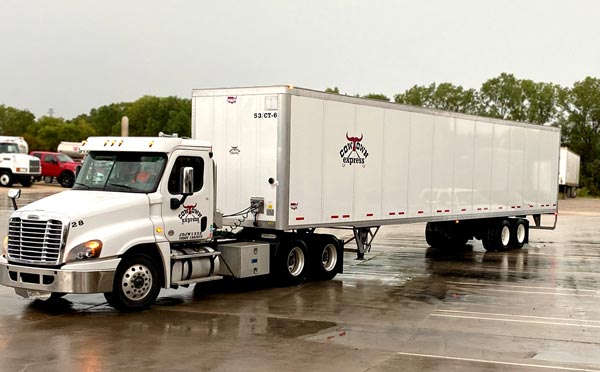
Dry Van Trucking: How It Powers Everyday Freight Across the U.S.
In the world of freight logistics, Dry Van Trucking stands as one of the most widely used and dependable methods for moving goods across the United States. From packaged foods to retail products, dry vans handle a significant share of domestic shipments. For businesses and independent drivers alike, understanding how this segment works can clarify why it remains the backbone of modern supply chains.
What Is Dry Van Trucking and Why It Matters
Dry van trucking refers to the transportation of goods in fully enclosed trailers, typically 53 feet long, designed to protect cargo from weather, theft, and damage. These trailers are not temperature-controlled, which makes them suitable for non-perishable items such as clothing, electronics, furniture, and dry packaged foods.
The simplicity of the setup is part of its strength. Unlike refrigerated or specialized freight, dry van transportation services are more flexible and widely available. This accessibility keeps costs relatively stable and ensures consistent movement of goods across industries.
For many companies, dry van shipping is the default option because it balances affordability with reliability. Whether moving products between warehouses or delivering to retail locations, it offers a practical solution without requiring complex handling.
How Dry Van Loads Move Through the Supply Chain
Every shipment begins with a load, commonly referred to as dry van loads. These loads are posted on digital freight boards or arranged through brokers and dispatchers. Once assigned, the process typically follows a structured path:
- Pickup: The driver collects cargo from a shipper’s facility
- Transit: Goods are transported across local, regional, or long-haul routes
- Delivery: The shipment reaches a distribution center, retailer, or end customer
For example, a manufacturer in Ohio may ship packaged home goods to a distribution hub in Texas. The cargo is loaded onto a dry van trailer, secured with straps or pallets, and transported over several days. Throughout the journey, tracking systems provide updates to ensure transparency.
This straightforward flow is what makes dry van freight loads efficient. There are fewer variables compared to specialized freight, which reduces delays and operational risks.
The Role of Dispatch in Managing Freight Efficiency
Behind every successful shipment is careful coordination. A dry van dispatch service plays a critical role in ensuring that trucks are assigned the right loads at the right time. Dispatchers act as the link between shippers, drivers, and brokers, managing schedules, routes, and communication.
A good dispatch process involves:
- Matching loads with available drivers
- Planning routes to minimize empty miles
- Handling paperwork and compliance requirements
- Communicating with shippers about delays or updates
For owner-operators, dispatch services can be especially valuable. Instead of spending hours searching for loads or negotiating rates, drivers can focus on the road while dispatchers manage logistics in the background.
Companies like EverMark Dispatchers operate within this space, supporting carriers by organizing freight movements and helping maintain steady workflows. Their role reflects a broader industry need for coordination rather than direct promotion or selling.
Types of Freight Commonly Transported in Dry Vans
Dry vans are versatile, which is why they are used across multiple industries. Some of the most common categories include:
- Retail goods: Clothing, shoes, and packaged consumer items
- Electronics: Appliances, computers, and accessories
- Non-perishable food products: Canned goods, cereals, and snacks
- Industrial materials: Boxes, tools, and light machinery
Because these items do not require refrigeration, they are ideal for standard trailers. However, they still require proper handling. Palletization, load balancing, and secure packaging are essential to prevent damage during transit.
In real-world scenarios, a single trailer might carry mixed freight from multiple suppliers, especially in less-than-truckload (LTL) operations. This approach maximizes space and reduces shipping costs for smaller businesses.
Challenges in Dry Van Freight and How They Are Managed
While dry van trucking is relatively straightforward, it is not without challenges. Market fluctuations, fuel costs, and driver availability can all impact operations. Additionally, securing consistent dry van freight loads can be competitive, especially during slower economic periods.
Some common challenges include:
- Load availability: Seasonal demand can create imbalances
- Rate volatility: Freight rates may rise or fall based on supply and demand
- Driver shortages: A limited workforce can delay shipments
- Regulatory compliance: Safety and documentation requirements must be met
To address these issues, many carriers rely on technology and partnerships. Load boards, route optimization software, and dispatch services help stabilize operations. By using data-driven insights, companies can anticipate demand and adjust their strategies accordingly.
Why Dry Van Transportation Services Remain Essential
Despite advancements in logistics technology, the core function of dry van trucking has remained consistent. It provides a reliable way to move goods without the added complexity of specialized equipment.
Several factors contribute to its continued importance:
- Scalability: Suitable for both small businesses and large enterprises
- Accessibility: Widely available across the U.S.
- Cost-effectiveness: Lower operational costs compared to specialized freight
- Flexibility: Capable of handling a wide range of products
For example, e-commerce growth has increased the need for efficient transportation between fulfillment centers and regional hubs. Dry vans are often the preferred choice for these shipments due to their adaptability and availability.
The Future of Dry Van Trucking in the U.S.
Looking ahead, dry van trucking is expected to evolve alongside broader logistics trends. Technology will continue to play a larger role, from real-time tracking to automated load matching. Sustainability is also becoming a focus, with companies exploring fuel-efficient vehicles and optimized routing to reduce emissions.
At the same time, the human element remains crucial. Drivers, dispatchers, and logistics coordinators all contribute to keeping freight moving smoothly. As supply chains become more complex, the demand for skilled professionals in these roles is likely to grow.
Conclusion
Dry van trucking continues to serve as a cornerstone of freight movement in the United States. Its simplicity, versatility, and reliability make it an essential part of everyday logistics. From managing dry van loads to coordinating through dispatch services, each step reflects a system designed for efficiency and consistency.
Understanding how dry van transportation services operate offers valuable insight into the broader supply chain. While challenges exist, the industry’s adaptability ensures it remains a dependable solution for moving goods across the country.
Leave a Reply
Want to join the discussion?Feel free to contribute!