
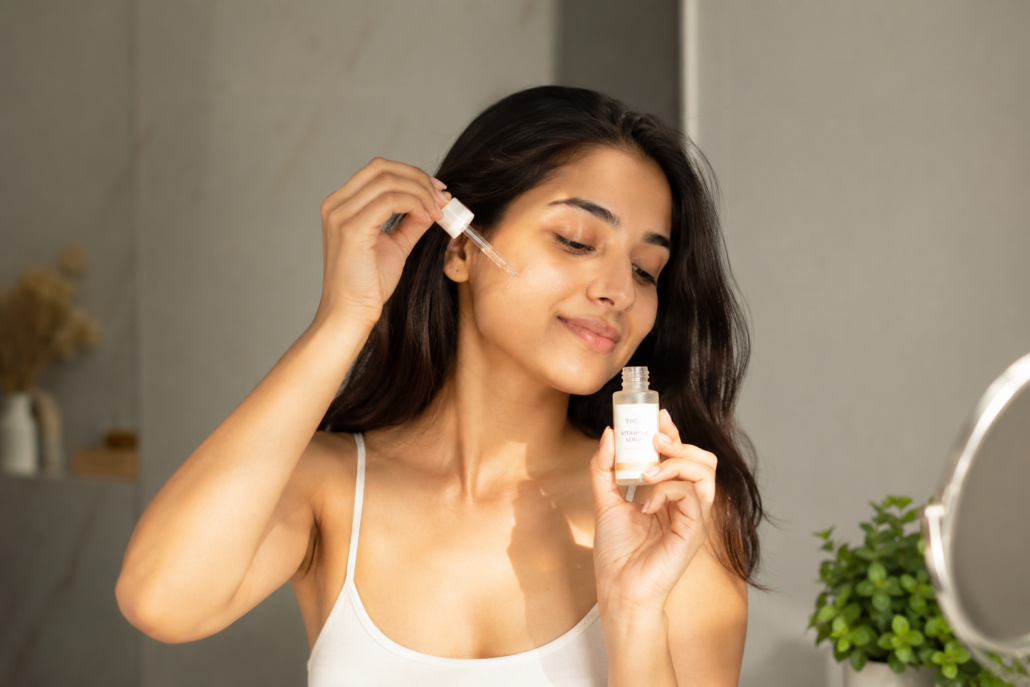
Can THDA Vitamin C Serum Help Reduce Dark Spots and Uneven Skin Tone?
Dark spots and uneven skin tone are among the most common skincare concerns people face today. Whether caused by sun exposure, post-acne marks, aging, or environmental stressors, discoloration can affect the skin’s overall appearance and make achieving a brighter complexion more challenging.
For years, vitamin C has been a popular ingredient in skincare routines because of its antioxidant properties and potential ability to improve skin radiance. However, not all forms of vitamin C are created equal. Traditional vitamin C formulations can sometimes be unstable or irritating, particularly for those with sensitive skin.
This has led to growing interest in Tetrahexyldecyl Ascorbate (THDA), an advanced vitamin C derivative known for its stability and skin-friendly profile. As more skincare enthusiasts explore alternatives to conventional vitamin C products, THDA has emerged as a promising option for those looking to address dark spots and uneven skin tone without the common drawbacks associated with some formulations.
But can THDA vitamin C serum truly help improve skin discoloration and create a more even-looking complexion? Let’s take a closer look at the science behind this increasingly popular skincare ingredient.
What Is THDA Vitamin C?
Tetrahexyldecyl Ascorbate, commonly referred to as THDA, is a stable, oil-soluble derivative of vitamin C. Unlike traditional L-ascorbic acid, which is water-soluble and can degrade when exposed to light and air, THDA is designed to remain effective for longer periods within skincare formulations.
Because it is oil-soluble, THDA can penetrate the skin differently than some conventional forms of vitamin C. This characteristic has contributed to its growing popularity in modern skincare products, particularly among individuals seeking effective antioxidant protection with a lower risk of irritation.
Many skincare enthusiasts are turning to a THDA vitamin C serum as part of their daily routine because it offers a gentler alternative to traditional vitamin C formulations while still delivering many of the benefits associated with this well-known skincare ingredient.
How THDA Differs From Traditional Vitamin C
One of the biggest differences between THDA and traditional L-ascorbic acid is stability. Standard vitamin C formulations can oxidize relatively quickly, which may reduce their effectiveness over time. THDA was developed to address this challenge by providing a more stable form of vitamin C that can better withstand environmental exposure.
Another key difference is tolerability. While traditional vitamin C products can sometimes cause redness, stinging, or irritation, THDA is often considered a suitable option for individuals with sensitive skin. Its formulation characteristics make it an attractive choice for those who want to incorporate vitamin C into their skincare routine without experiencing discomfort.
These unique properties have helped THDA gain attention among skincare formulators and consumers alike, particularly as interest grows in ingredients that balance effectiveness with skin compatibility.
What Causes Dark Spots and Uneven Skin Tone?
Before exploring how THDA vitamin C serum may help, it’s important to understand what causes dark spots and uneven skin tone in the first place.
Skin color is largely determined by melanin, a natural pigment produced by specialized cells called melanocytes. While melanin plays an essential role in protecting the skin from ultraviolet (UV) radiation, certain triggers can cause the skin to produce excess amounts, leading to discoloration.
One of the most common causes of dark spots is prolonged sun exposure. When the skin is exposed to UV rays, melanin production increases as a protective response. Over time, this process can contribute to sun spots, age spots, and uneven pigmentation.
Post-inflammatory hyperpigmentation is another frequent concern. This type of discoloration often develops after acne breakouts, skin injuries, or inflammatory skin conditions. Even after the original issue has healed, dark marks can remain visible for weeks or months.
The natural aging process can also contribute to uneven skin tone. As skin accumulates years of environmental exposure, pigmentation irregularities may become more noticeable. Pollution, oxidative stress, and lifestyle factors can further accelerate these visible changes.
Because many forms of hyperpigmentation are linked to oxidative stress and excess melanin production, dermatologists and skincare researchers have increasingly focused on antioxidant ingredients that may help support a brighter and more even-looking complexion.
How THDA Vitamin C Serum May Help Improve Skin Tone
THDA has attracted significant attention because it combines the well-known benefits of vitamin C with improved stability and skin compatibility. While no skincare ingredient can completely eliminate discoloration overnight, research suggests that THDA may help address several factors associated with uneven skin tone.
Supporting a Brighter Complexion
Vitamin C has long been valued for its ability to promote a more radiant appearance. THDA acts as a vitamin C precursor within the skin and is designed to deliver antioxidant benefits while maintaining greater stability than some traditional vitamin C formulations.
Its oil-soluble nature allows it to integrate effectively into skincare formulations, making it an appealing option for individuals seeking brighter-looking skin without the irritation that can sometimes accompany highly acidic vitamin C products.
Helping Reduce the Appearance of Dark Spots
One of the most promising aspects of THDA is its potential role in addressing hyperpigmentation. Scientific research has shown that vitamin C can help influence pathways involved in melanin production, which may contribute to a more even skin tone over time.
A 2024 clinical study examining a serum containing tetrahexyldecyl ascorbate reported significant improvements in uneven facial pigmentation after 12 weeks of consistent use. Participants also experienced visible improvements in overall skin appearance and texture.
While additional large-scale studies are still needed, these findings suggest that THDA may be a valuable ingredient for individuals looking to reduce the appearance of dark spots and discoloration.
Providing Antioxidant Defense Against Environmental Stress
Daily exposure to sunlight, pollution, and other environmental stressors can generate free radicals that contribute to visible skin aging and pigmentation concerns.
As a vitamin C derivative, THDA functions as an antioxidant that helps neutralize these unstable molecules before they can cause further oxidative damage. This protective role may help support healthier-looking skin while complementing other brightening ingredients within a skincare routine.
Supporting Healthy Collagen Production
Collagen is one of the key structural proteins responsible for maintaining skin firmness and smoothness. Like other forms of vitamin C, THDA is associated with processes that support collagen synthesis.
Although most people seek vitamin C products for brightening benefits, the ingredient’s ability to support skin structure may also contribute to a smoother and more youthful-looking complexion over time. Research continues to explore how stable vitamin C derivatives such as THDA can support both pigmentation concerns and visible signs of aging.
What Does the Research Say About THDA?
As THDA becomes more widely used in skincare products, researchers have started paying closer attention to its effectiveness. While the body of research is still smaller than that of traditional L-ascorbic acid, current findings are encouraging.
One of the reasons THDA has generated interest among skincare scientists is its ability to remain stable within formulations while still delivering vitamin C activity within the skin. Stability is an important factor because vitamin C can lose effectiveness when exposed to light, air, and heat. A more stable derivative may help ensure that the ingredient remains active throughout the product’s lifespan.
Research has also highlighted THDA’s ability to penetrate the skin effectively due to its lipid-soluble structure. This characteristic allows it to interact with the skin differently than water-soluble forms of vitamin C, potentially supporting better delivery of antioxidant benefits.
More importantly for those concerned with hyperpigmentation, recent clinical findings have shown promising results. A 2024 study published in the Journal of Cosmetic Dermatology evaluated a serum containing tetrahexyldecyl ascorbate and reported visible improvements in facial pigmentation, skin brightness, and overall skin appearance after consistent use over a 12-week period. Participants also reported high satisfaction with the product’s performance and tolerability.
Researchers believe these improvements may be linked to vitamin C’s ability to influence melanin production pathways while simultaneously providing antioxidant protection against environmental stressors that can contribute to discoloration.
At the same time, it is important to maintain realistic expectations. Most studies evaluating THDA have involved relatively small participant groups, and skincare results can vary based on factors such as skin type, sun exposure, skincare routine, and the severity of existing pigmentation concerns.
Current evidence suggests that THDA is a promising ingredient for improving overall skin radiance and reducing the appearance of uneven pigmentation, but it should be viewed as part of a comprehensive skincare routine rather than a standalone solution.
THDA vs Traditional Vitamin C: Which Is Better?
Consumers often wonder whether THDA is superior to traditional vitamin C. The answer depends largely on individual skin needs and product formulation.
Traditional L-ascorbic acid remains one of the most extensively researched forms of vitamin C and has demonstrated benefits for skin brightening, antioxidant protection, and collagen support. However, it can be unstable and may cause irritation in some individuals, particularly when used at higher concentrations.
THDA was developed to address some of these limitations. Its enhanced stability and gentler profile have made it increasingly popular among formulators seeking to create effective vitamin C products that are suitable for a wider range of skin types.
| Feature | THDA | Traditional L-Ascorbic Acid |
| Stability | High | Moderate to Low |
| Oxidation Risk | Lower | Higher |
| Skin Compatibility | Generally Well-Tolerated | May Cause Irritation |
| Suitable for Sensitive Skin | Often Yes | Depends on Concentration |
| Research History | Growing | Extensive |
| Antioxidant Benefits | Yes | Yes |
Rather than viewing one form as universally better than the other, many skincare professionals recommend choosing a formulation that aligns with your skin type, concerns, and tolerance level. For individuals who have struggled with irritation from traditional vitamin C products, THDA may offer a practical alternative.
Who Can Benefit Most from THDA Vitamin C Serum?
THDA may be particularly beneficial for individuals who are looking to improve overall skin brightness while maintaining a gentle skincare routine.
People dealing with post-acne marks, mild hyperpigmentation, or uneven skin tone may find THDA especially appealing because of its brightening potential and antioxidant properties. Those with sensitive skin may also appreciate its reputation for being less irritating than some traditional vitamin C formulations.
In addition, individuals who spend significant time outdoors or live in urban environments may benefit from the antioxidant support THDA provides against environmental stressors such as pollution and UV exposure.
While no skincare ingredient works identically for everyone, THDA’s combination of stability, tolerability, and skin-brightening potential makes it a versatile option for many skincare routines.
How to Use THDA Vitamin C Serum for Best Results
Like most skincare ingredients, THDA works best when used consistently as part of a well-rounded skincare routine. While individual products may have specific instructions, there are a few general practices that can help maximize potential benefits.
Start by applying the serum to clean, dry skin. Many people choose to use vitamin C products in the morning because of their antioxidant properties, although some formulations can also be used in the evening. Following the serum with a moisturizer can help support the skin barrier and maintain hydration throughout the day.
Perhaps the most important step is daily sun protection. Even the most advanced brightening ingredients can struggle to deliver noticeable improvements if the skin is continually exposed to unprotected UV radiation. Using a broad-spectrum sunscreen every day helps protect the skin from further discoloration while supporting the results of ingredients such as THDA.
For those interested in learning more about the ingredient and its suitability for sensitive skin, this guide on THDA vitamin C serum provides additional information about how this vitamin C derivative is used in modern skincare formulations.
Consistency is equally important. While some people notice improvements in overall radiance relatively quickly, concerns such as dark spots and uneven pigmentation often require several weeks of regular use before visible changes become apparent.
What Results Can You Realistically Expect?
One of the biggest misconceptions in skincare is that a single product can completely transform the skin overnight. In reality, meaningful improvements typically take time and depend on multiple factors.
THDA vitamin C serum may help support a brighter, more even-looking complexion when used consistently. Individuals dealing with mild discoloration or post-inflammatory hyperpigmentation may notice gradual improvements in skin radiance and overall tone. However, deeper pigmentation concerns often require patience and may benefit from a broader treatment approach recommended by a skincare professional.
The timeline for results can vary significantly. Factors such as skin type, product formulation, lifestyle habits, sun exposure, and overall skincare routine all play a role in determining how quickly visible improvements occur.
It’s also important to recognize that no topical skincare ingredient can permanently prevent future discoloration if underlying triggers such as excessive sun exposure remain unaddressed. This is why dermatologists frequently emphasize combining brightening ingredients with daily sun protection.
Approaching THDA with realistic expectations can help users better appreciate its role within a long-term skincare strategy rather than expecting immediate or dramatic results.
Final Thoughts
So, can THDA vitamin C serum help reduce dark spots and uneven skin tone?
Current research and emerging clinical evidence suggest that it may. As a stable, oil-soluble vitamin C derivative, THDA offers several characteristics that make it an attractive option for modern skincare formulations, including enhanced stability, antioxidant protection, and a generally gentle profile.
While more long-term research is still needed, existing studies indicate that THDA may support brighter-looking skin, help reduce the appearance of uneven pigmentation, and contribute to a healthier overall complexion when used consistently.
Most importantly, THDA should be viewed as one component of a comprehensive skincare routine. Consistent use, realistic expectations, and daily sun protection remain essential for anyone seeking to improve the appearance of dark spots and uneven skin tone.
For individuals searching for a gentler alternative to traditional vitamin C products, THDA represents a promising option that continues to gain attention among skincare researchers, formulators, and consumers alike.

Leave a Reply
Want to join the discussion?Feel free to contribute!