
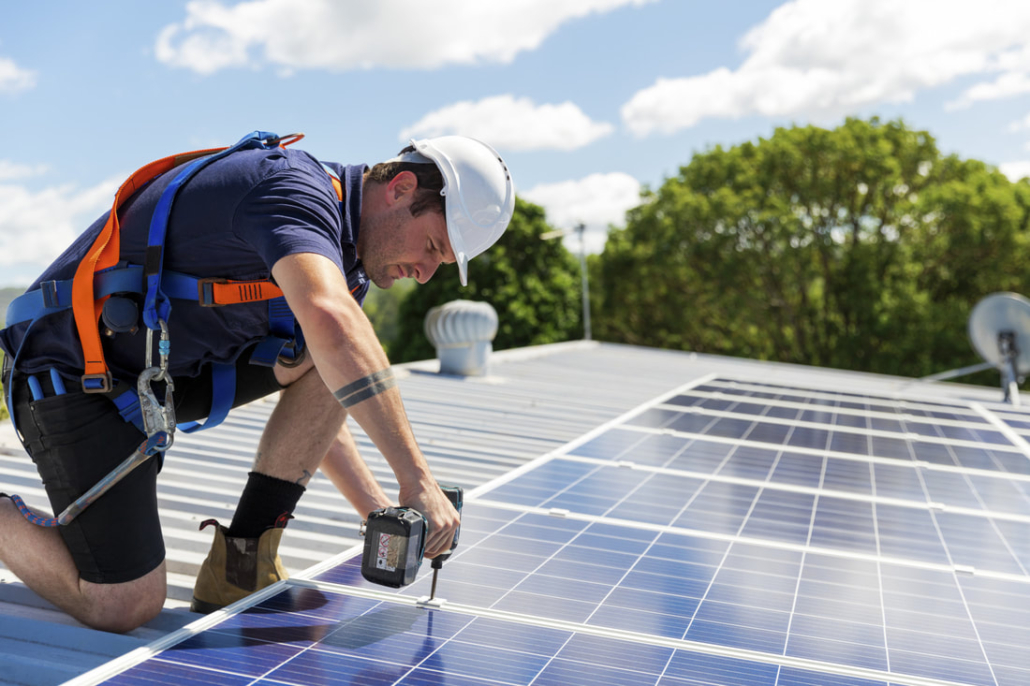
Choosing a solar installer is just as important as choosing the panels themselves. A well-designed system should suit your roof, electricity use and future plans, while poor installation can affect performance, safety and the support you receive later.
With many companies offering solar installation services across the UK, comparing installers on price alone can make the decision harder. The better approach is to look at certification, system design, equipment, warranties, installation standards and what happens after the panels are fitted.
Here is what to check before choosing a solar installer.
Check The Installer’s Certification
Start by checking whether the installer is certified under the Microgeneration Certification Scheme (MCS). MCS is a UK quality scheme for renewable energy products and installers, and Energy Saving Trust recommends using MCS-certified installers for solar PV installations.
Certification does not mean every company will offer the same level of service, so it should be treated as an important starting point rather than the only factor.
You can also check whether the company belongs to an appropriate consumer code or trade organisation and understand what protections are available if something goes wrong.
Get More Than One Quote
One quote rarely tells you whether you are getting a fair deal. Energy Saving Trust recommends obtaining at least three quotes from different installers so you can compare the proposed systems and costs.
However, avoid comparing only the final price.
Two installers could quote for completely different systems. One might include scaffolding, electrical work, monitoring equipment and a longer workmanship warranty, while another leaves some of these costs outside the headline figure.
Ask each company for a detailed written quotation and compare what is actually included.
Make Sure The System Is Designed For Your Home
A reputable installer should assess your property rather than simply recommend a standard package.
The assessment should consider factors such as:
- Roof size and available installation area
- Roof orientation and pitch
- Shading from trees or nearby buildings
- Your household electricity consumption
- Existing electrical equipment
- Whether you want battery storage
- Your likely future electricity needs
Roof orientation and shading can make a significant difference to how much electricity a system generates. Energy Saving Trust specifically recommends asking installers how their estimates account for factors such as shading and roof orientation.
Be cautious if an installer gives you a system size and savings estimate without properly understanding the property.
Look Beyond The Solar Panels
The panels are only one part of a solar PV system. The inverter, mounting system, monitoring equipment and, where applicable, battery all affect how the installation works.
When comparing proposals, ask which manufacturers and models are being offered and why they have been selected.
You do not necessarily need the most expensive equipment. What matters is whether the proposed products are suitable for your system and whether their specifications match your expected electricity generation and usage.
A good installer should be able to explain these choices in straightforward language rather than pushing you towards a particular product simply because it has a higher price.
Check The Warranty And Workmanship Cover
Solar panels can remain on a property for decades, so aftercare matters.
Check separately:
- Panel product warranty
- Inverter warranty
- Battery warranty, if included
- Installation or workmanship warranty
- What happens if the installer stops trading
- Who you contact if the system develops a fault
Do not assume that a manufacturer’s product warranty covers installation problems. These are separate forms of protection and should be clearly explained before you sign the contract.
It is also worth asking what maintenance information you will receive after installation. Your installer should provide guidance on system operation and relevant maintenance checks.
Ask How They Calculate Your Savings
Projected savings can look impressive on a sales quotation, but the assumptions behind the figure are more important than the headline number.
Ask the installer:
- How much electricity do you expect the system to generate?
- How much of that electricity is likely to be used in the home?
- How much will be exported?
- What electricity price has been assumed?
- What export payment has been included?
- Has shading been considered?
- Has battery storage been included in the calculation?
This gives you a much clearer idea of whether the forecast reflects your household rather than a generic example.
Remember that solar generation varies with weather, season, roof conditions and household consumption, so savings estimates should be treated as forecasts rather than guarantees.
Understand What Happens During Installation
Ask the installer to explain the solar panel installation process before agreeing to the work.
Find out whether the quotation includes scaffolding, roof preparation, electrical work, system commissioning and any necessary grid-related arrangements.
You should also know approximately how long the work is expected to take. Many domestic solar installations can be completed within one or two days, although larger or more complicated projects can take longer.
A clear installation schedule can help you avoid unexpected delays or additional charges.
Check The Contract Before Paying A Deposit
Never rely solely on what a salesperson tells you. Make sure important details are written into the contract.
The agreement should clearly identify the equipment being installed, total price, payment schedule, installation arrangements, warranties and cancellation terms.
Be particularly careful with high-pressure sales tactics. Energy Saving Trust warns against pressure to sign immediately and recommends comparing detailed quotations instead of accepting a deal simply because a large discount is offered for signing on the day.
If you are asked for a substantial deposit, understand how it is protected and what happens if the installation is delayed or cancelled.
Consider The Installer’s Aftercare
Your relationship with the installer should not end when the panels are switched on.
Ask what support is included if the inverter shows a fault, generation appears lower than expected or you need help understanding the monitoring system.
The installer should test the completed system and explain how it operates. They should also provide the relevant documentation following commissioning.
This can be particularly valuable if you are unfamiliar with solar technology.
Do Not Choose On Price Alone
The cheapest quotation is not automatically the best value.
A lower price may reflect a smaller system, different equipment, fewer included services or less comprehensive aftercare. Conversely, the most expensive quote is not necessarily the best either.
A sensible comparison looks at the whole package: installer certification, system design, equipment quality, expected generation, warranties, installation work, documentation and customer support.
If you are looking for a reliable Solar Panel Installation Service, compare several qualified installers and ask each one to explain exactly what their proposal includes.
Make Your Decision Based On The Whole Package
Choosing a solar installer becomes much easier when you break the decision into practical checks.
First, confirm the installer is appropriately certified. Then compare at least three detailed quotations, examine the proposed system design, check the equipment and warranties, question the savings assumptions and make sure installation and aftercare are clearly covered.
The right installer should be willing to explain the technical and financial side of the project without rushing you into a decision. Taking a little more time at the quotation stage can help you avoid problems later and ensure the solar system is genuinely suited to your home.

Leave a Reply
Want to join the discussion?Feel free to contribute!