

Recovery Reimagined: Innovative New Jersey Approaches
The Changing Landscape of Addiction Recovery
Addiction recovery in the United States has undergone a major transformation over the past decade. Traditional models that relied primarily on inpatient rehabilitation or abstinence-only programs are now being supplemented by comprehensive, evidence-based strategies. These include behavioral therapy, medication-assisted treatment, peer support, and long-term recovery planning.
In the state of New Jersey, this shift has been particularly visible. Policymakers, healthcare professionals, and community organizations have recognized that addiction is not simply a moral issue but a complex public health challenge. As a result, the state has invested heavily in innovative recovery strategies that focus on accessibility, continuity of care, and prevention.
These initiatives aim to treat the whole person rather than just the symptoms of substance use disorder. Housing stability, employment opportunities, mental health treatment, and family support are now considered essential components of sustainable recovery.
Why New Jersey Is Becoming a Leader in Recovery Innovation
Statewide Collaboration and Public Health Initiatives
One reason New Jersey stands out is its collaborative approach. Agencies such as the New Jersey Department of Human Services have partnered with healthcare providers, universities, and nonprofit groups to create integrated recovery systems.
Programs funded at the state level provide a continuum of care that begins with detox and continues through outpatient treatment, therapy, and long-term recovery support. This approach recognizes that relapse prevention requires ongoing resources rather than short-term intervention.
Another notable initiative is the expansion of medication-assisted treatment (MAT), which combines medications with counseling and behavioral therapies. MAT has been shown to significantly improve recovery outcomes for individuals struggling with opioid and stimulant use disorders.
Community-Based Recovery Networks
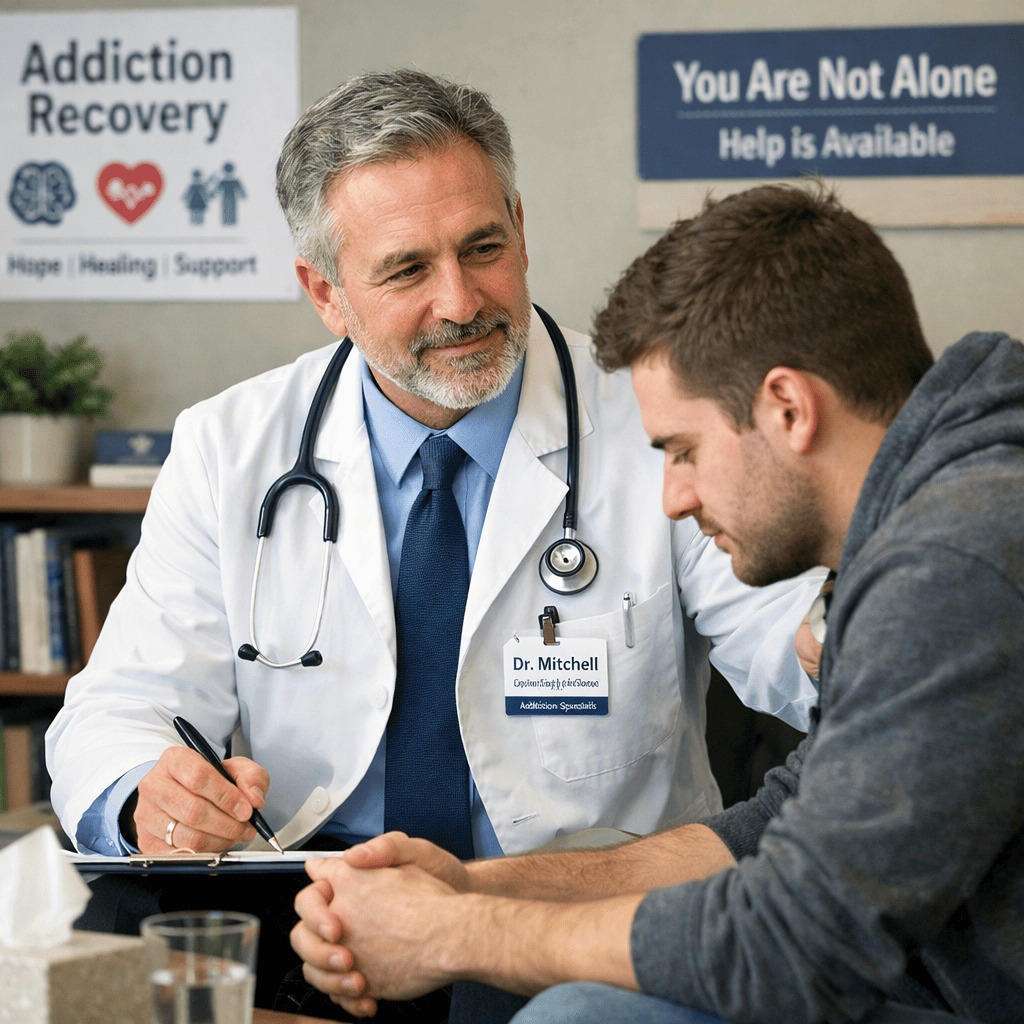
Local recovery networks play a vital role in New Jersey’s evolving approach. Community centers, peer mentors, and recovery coaches help individuals maintain accountability and rebuild their lives.
Peer recovery specialists—people who have lived experience with addiction—are increasingly recognized as valuable members of the treatment ecosystem. Their insights often help bridge the gap between clinical treatment and real-world recovery challenges.
This blend of clinical expertise and community engagement has helped reduce stigma while encouraging more people to seek help earlier in the addiction cycle.
Modern Detox and Early Recovery Support
Detoxification is often the first step in addiction recovery, but modern programs in New Jersey emphasize that detox alone is rarely enough. Medical detox facilities now focus on stabilization, monitoring, and preparing individuals for ongoing treatment rather than presenting detox as a cure.
In early recovery stages, individuals often have questions about how substances remain detectable in the body. Some recovery resources provide educational information on topics like how to get cocaine out of urine, but responsible programs emphasize that the body naturally metabolizes substances over time and that attempts to manipulate drug tests rarely support long-term recovery goals.
Instead, treatment professionals encourage transparency and medical guidance. Detox programs often incorporate counseling sessions, relapse-prevention education, and mental health assessments to help patients transition into structured treatment.
Technology and Data-Driven Recovery Programs
Technology is increasingly shaping how addiction treatment works in New Jersey. Digital tools now allow healthcare providers to track patient progress, identify relapse risks, and provide virtual support between therapy sessions.
Researchers at Rutgers University have contributed to studies exploring how data analytics and telehealth platforms can improve treatment outcomes. Mobile recovery apps, for example, allow individuals to log triggers, connect with support networks, and access emergency assistance when cravings arise.
Telehealth has also expanded access to therapy in rural and underserved areas. During and after the COVID-19 pandemic, many treatment providers discovered that virtual counseling sessions could significantly reduce barriers to care.
While digital tools cannot replace human support, they offer valuable reinforcement for individuals navigating the early stages of recovery.
Community, Peer Support, and Long-Term Recovery
Long-term recovery depends heavily on social stability. New Jersey has invested in recovery housing, job training programs, and educational initiatives designed to help people rebuild their lives after addiction.
Recovery housing programs provide structured living environments where individuals can transition from treatment back into everyday life. Residents often participate in peer meetings, counseling sessions, and employment support programs while maintaining accountability.
Peer-led organizations also host recovery events, workshops, and mentorship programs. These efforts reinforce a key principle of modern recovery science: sustainable change is more likely when individuals feel connected to supportive communities.
The shift toward long-term support reflects a deeper understanding that addiction recovery is not a single milestone but an ongoing journey.
Addressing Misconceptions About Detox and Substance Elimination
Public misconceptions about detoxification remain widespread, particularly online. Many advertisements claim that quick remedies or specialized beverages can eliminate drugs from the body rapidly.
For instance, people frequently search for solutions such as the best detox drink for cocaine, but addiction specialists caution that there is little credible scientific evidence supporting these claims. The body processes substances through natural metabolic pathways, and no drink or supplement can reliably accelerate that process in a safe or predictable way.
Instead, evidence-based recovery programs focus on medically supervised detox, hydration, nutrition, and supportive care. These strategies help the body recover while minimizing withdrawal risks and preparing individuals for therapy.
Research summarized by the National Institute on Drug Abuse also emphasizes that long-term behavioral treatment and support systems are far more effective than quick detox solutions.
Research, Evidence, and the Future of Recovery in New Jersey
Scientific research continues to shape the future of addiction recovery in the state. Universities, public health agencies, and healthcare organizations collaborate to evaluate treatment outcomes and refine recovery models.
One emerging area of research focuses on integrated mental health treatment. Many individuals with substance use disorders also experience depression, anxiety, or trauma-related conditions. Addressing these underlying issues significantly improves recovery outcomes.
Another promising area is harm reduction. Programs that distribute naloxone, provide safe-use education, and encourage early intervention have saved countless lives across New Jersey. While harm reduction strategies can sometimes be controversial, many experts believe they are an essential part of modern public health policy.
By combining treatment, prevention, and education, New Jersey continues to build a comprehensive framework for addressing addiction.
A Model for the Future of Addiction Recovery
New Jersey’s evolving recovery landscape demonstrates what is possible when healthcare systems, government agencies, and community organizations work together. By embracing innovation, the state has shifted from reactive treatment toward proactive recovery support.
The lessons emerging from these initiatives are increasingly influencing national conversations about addiction treatment. Programs that prioritize long-term recovery, community engagement, and evidence-based care are proving more effective than isolated or short-term interventions.
Recovery, after all, is not just about stopping substance use—it is about rebuilding lives, restoring health, and creating opportunities for meaningful change. As New Jersey continues to refine its approach, it offers a promising model for other regions seeking to transform how society responds to addiction.


Leave a Reply
Want to join the discussion?Feel free to contribute!