
Your Complete Buying Guide: How to Source Quality Products from Pink Salt Companies in Pakistan
Introduction
If you’ve ever wandered through a wellness store or browsed an online marketplace, chances are you’ve come across Himalayan pink salt — that distinctly rosy-hued mineral that seems to appear everywhere from kitchen shelves to spa treatments. Behind much of this global supply is a single origin point: the Khewra Salt Mine in Pakistan, one of the oldest and largest salt mines in the world.
But understanding where the salt comes from is only half the story. If you’re a buyer — whether you’re a small business owner, a wellness retailer, or simply someone who wants to purchase in bulk — knowing how to evaluate and source from pink salt companies in Pakistan is essential knowledge. This guide walks you through everything you need to know, from understanding what makes Pakistani pink salt unique to the practical steps of making a confident purchase.
What Makes Pakistani Pink Salt Unique
The Geological Story Behind the Color
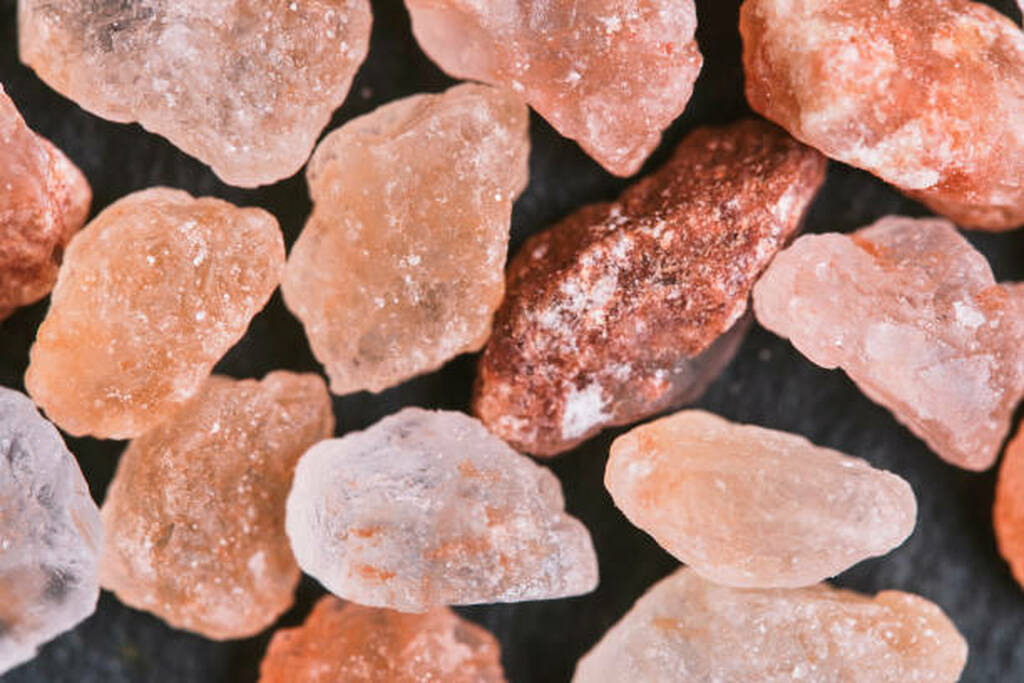
Pakistani Himalayan pink salt gets its distinctive color from trace minerals embedded in the rock salt over hundreds of millions of years. Iron oxide gives the salt its signature pink-to-deep-red hue, while additional minerals like potassium, magnesium, and calcium contribute to its layered color variations. Unlike refined table salt, Himalayan pink salt is typically minimally processed, which means it retains its natural mineral profile.
The Khewra Salt Mine, located in the Punjab province of Pakistan, is estimated to hold over 220 million tons of salt deposits. It sits at the foothills of the Salt Range mountains and has been mined since at least the 1200s. This geographic origin is central to the salt’s identity — and it’s why so much of the global market traces back to Pakistan.
Forms and Uses
Pink salt from Pakistan is sold in a surprising number of forms. Here’s a quick breakdown of the most common product types you’ll encounter:
- Edible granules and powders — for culinary use, in both fine and coarse grind sizes
- Salt lamps — large chunks or shaped pieces of salt fitted with light bulbs, popular in wellness and home décor
- Cooking slabs and tiles — thick slabs used as cooking surfaces or serving platters
- Bath salts — ground or chunk salt marketed for soaking and skin benefits
- Animal lick blocks — large salt blocks sold as nutritional supplements for livestock
- Decorative items — crafted shapes, candle holders, and ornamental pieces
Each product category has its own quality benchmarks and buyer requirements, which is worth keeping in mind as you explore your options.
How to Evaluate Pink Salt Companies in Pakistan
Key Quality Indicators to Look For
Not all pink salt is created equal, and the same applies to the companies that produce and export it. When vetting a supplier, here are the quality markers you should prioritize:
Certifications and Standards Reputable exporters typically hold certifications such as ISO 9001 (quality management), HACCP (food safety), or FDA compliance documentation for products headed to the United States. If you’re purchasing edible salt, food-grade certification is non-negotiable. Ask suppliers directly for their certification documents and verify them where possible.
Purity and Lab Testing A trustworthy supplier should be able to provide third-party lab reports confirming the mineral content and purity levels of their salt. Be cautious of suppliers who cannot produce documentation or who are reluctant to share test results. Reputable pink salt companies in Pakistan understand that transparency builds long-term buyer confidence.
Product Grading Salt is often graded by color intensity, grain size, and mineral content. Premium-grade pink salt tends to have a more uniform, vibrant color with minimal impurities. Mid-grade and food-service grade options are also available and serve different markets. Make sure you understand which grade you’re purchasing and that it matches your intended use.
Visiting and Verifying Suppliers
If your order volume justifies it, consider visiting suppliers in person or hiring a third-party inspection service. Pakistan has an active export industry, and many suppliers in cities like Lahore, Karachi, and Islamabad have established export operations with showrooms and production facilities open to buyers.
Online verification is also a practical first step. Look for suppliers listed on established B2B platforms, check for verifiable business registration, and look at buyer reviews and feedback where available. Reaching out to trade associations or your country’s chamber of commerce for Pakistan can also help connect you with vetted suppliers.
Practical Steps for Making a Purchase
Understanding Pricing and Minimum Orders
Pricing from pink salt companies in Pakistan varies based on several factors: product type, grade, packaging requirements, order volume, and shipping terms. Bulk raw salt is considerably less expensive per kilogram than finished, packaged retail products.
Most suppliers set minimum order quantities (MOQs), which can range from as low as 100 kilograms for smaller-scale buyers to several metric tons for industrial or wholesale orders. Before entering negotiations, be clear about your volume needs and budget so you can identify the right tier of supplier.
It’s also worth understanding INCO terms — the international shipping terms that define who is responsible for freight, insurance, and customs. Common terms include FOB (Free on Board), CIF (Cost, Insurance, and Freight), and EXW (Ex Works). Each distributes costs and responsibilities differently, so make sure you’re comparing quotes on equal terms.
Packaging and Labeling Requirements
If you’re importing for retail, packaging and labeling will matter. Most reputable suppliers offer private-label services, meaning they can package the salt under your brand with your custom label. Confirm that the packaging meets the import requirements of your country — especially if the product is edible, as nutritional labeling laws vary significantly between markets.
Ask about packaging options including polyethylene bags, kraft paper sacks, retail jars, or bulk pallets. The packaging you choose will also affect your shipping costs and shelf-life considerations.
Navigating Customs and Import Regulations
Importing salt from Pakistan generally follows standard international trade procedures, but there are specifics to be aware of. Edible salt may require phytosanitary certificates or health certificates depending on the destination country. Salt lamps and decorative items typically face fewer regulatory hurdles but may still be subject to import duties.
Work with a licensed customs broker in your country to ensure smooth clearance. They can help you classify your product correctly under the Harmonized System (HS) codes, which directly affects the duty rate you’ll pay.
Building a Long-Term Supplier Relationship
Why Consistency Matters
One of the most overlooked aspects of sourcing from pink salt companies in Pakistan is the value of building a long-term relationship with a reliable supplier. Salt quality can vary by mine section and season, so having a supplier who understands your standards and consistently meets them is genuinely valuable.
Start with a smaller trial order before committing to large volumes. Evaluate the product thoroughly upon arrival — check color consistency, grain size, packaging integrity, and compliance with your specifications. If the trial is successful, consider negotiating a longer-term agreement that secures pricing stability and priority fulfillment.
Communication and Lead Times
Pakistani exporters are generally experienced in working with international buyers, but clear communication is still key. Be explicit about your timelines, quality expectations, and any regulatory requirements. Lead times for standard orders typically range from two to six weeks depending on production schedules and shipping routes.
Maintaining regular contact with your supplier — even when you’re not actively placing orders — helps you stay informed about pricing changes, availability, and new product developments.
Final Thoughts
Pakistan’s Himalayan pink salt industry is a mature, well-established export sector with suppliers ranging from small family-run operations to large-scale industrial exporters. Whether you’re buying for retail, food service, wellness, or wholesale, there are high-quality options available across price points. The key is doing your due diligence. Verify certifications, request lab reports, start with trial orders, and invest in building genuine supplier relationships. With the right approach, sourcing from pink salt companies in Pakistan can be a reliable, high-value supply chain decision — one grounded in both remarkable geology and centuries of mining tradition.

Leave a Reply
Want to join the discussion?Feel free to contribute!