
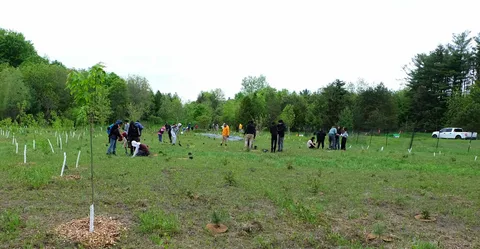
Why Native Tree Planting Is Taking Over Modern Landscaping
Native tree planting is taking over modern landscaping because it offers long-term performance with lower maintenance. Native trees adapt to local soil, rainfall, and temperature, which reduces stress and improves survival rates. This makes them a practical choice for homeowners, developers, and property managers who want reliable results without constant upkeep.
This article explains why native trees have become a preferred choice, how they fit into modern landscape design, and what property owners should consider before planting. The information reflects field experience and current trends in sustainable landscaping, especially in regions with shifting weather patterns and growing water restrictions.
The guidance reflects industry knowledge of tree selection, planting practices, and long-term landscape planning, making it useful for property owners weighing their options.
Why Native Trees Are Preferred Today
Native trees require less irrigation, fewer chemical treatments, and less pruning compared to non-native species. They also support local wildlife and improve soil stability. This combination of benefits has driven strong demand in recent years.
Many landscaping projects now include native trees as a core element rather than an optional feature. The shift is linked to increased awareness of climate resilience and long-term property value.
Climate Resilience And Drought Tolerance
Native trees have evolved to handle local climate extremes. They tolerate the typical rainfall patterns and temperature swings of their region.
In areas with hotter summers and unpredictable rainfall, native trees tend to recover faster after drought periods. Their root systems also help stabilize soil during heavy storms.
Long-Term Cost Savings
Property owners often choose native trees because they reduce ongoing expenses. Lower water use and fewer treatments cut maintenance budgets over time.
Some landscape contractors report that native tree installations can reduce maintenance costs by 20 to 30 percent over five years. This makes them an attractive option for both residential and commercial properties.
Practical Benefits That Support Native Tree Use
Native trees offer functional benefits that go beyond aesthetics. They create shade, reduce soil erosion, and support pollinators. These outcomes fit well with modern landscape goals.
Contractors often use native trees to build a landscape that stays healthy with less intervention. This approach also aligns with regulations in some communities that encourage or require native planting.
Shade Planning And Energy Savings
Properly placed native trees can lower cooling costs by shading roofs and windows. This effect is most noticeable in summer when air conditioning use peaks.
Shade trees also protect lawns and plant beds from heat stress. This reduces the need for extra watering and keeps outdoor spaces usable during hot periods.
Bonus Tips
- Plant shade trees on the south and west sides of buildings to reduce heat gain
- Avoid planting too close to structures to prevent root damage and gutter issues
- Choose trees with strong branch structure to reduce storm damage risk

Support For Local Wildlife And Pollinators
Native trees provide food and shelter for birds, insects, and small mammals. This support is especially important in suburban areas where natural habitats are shrinking.
Landscaping that includes native trees often attracts more wildlife and improves biodiversity. This benefit can be especially valuable for homeowners who want a healthier outdoor environment.
Native Trees Versus Non Native Trees
Choosing between native and non native trees depends on goals, site conditions, and long-term plans. The table below highlights key differences to help property owners make a clear choice.
| Feature | Native Trees | Non Native Trees |
|---|---|---|
| Water needs | Often lower once established | Often higher in dry seasons |
| Pest resistance | Typically stronger in local conditions | Can be more vulnerable |
| Soil adaptation | Matches local soil types | May need soil amendments |
| Maintenance | Usually less over time | Can require more care |
| Wildlife support | High value for local species | Often lower support |
| Growth predictability | More consistent | Can vary by climate |
Regional Guidance For Native Tree Success
Native tree performance depends on matching species to local soil and rainfall. In humid regions, trees that tolerate wet soil and summer heat tend to perform best. In drier areas, drought tolerant species are more reliable.
Landscaping professionals often recommend soil tests and site assessments before planting. These steps help avoid common issues like poor drainage or compacted soil.
Soil And Drainage Considerations
Native trees still need proper soil conditions to thrive. Poor drainage can cause root rot, while compacted soil limits root growth.
Contractors often address these issues by improving soil structure and ensuring proper grading. This work can prevent early tree loss and reduce long-term maintenance needs.
Seasonal Planting Timing
Planting timing affects tree establishment. Early spring and late fall are common because temperatures are milder and rainfall is more predictable.
In regions with harsh summers, fall planting allows roots to grow before heat stress arrives. In areas with cold winters, spring planting avoids freeze damage.
Things to Consider Before Making a Decision
Before choosing native tree planting, property owners should review practical factors that affect success. These considerations help avoid costly mistakes and ensure the trees match the site.
Important decision points include:
- Soil type and drainage conditions
- Available space for mature root systems
- Desired shade coverage and landscape layout
- Local water restrictions or irrigation limits
- Long term maintenance expectations and budget
A clear plan helps match tree species to the property and avoids common issues like overcrowding or root damage.
Questions About Native Tree Planting
Do native trees grow slower than non native trees?
Native trees often grow at a steady rate rather than fast growth. This slower growth can mean fewer pruning needs and more stable root systems.
Are native trees better for flood control?
Native trees can help manage runoff and reduce erosion. Their root systems hold soil in place and absorb water during heavy storms.
Do native trees require less fertilizer?
Most native trees need less fertilizer because they match local soil conditions. Fertilizer use is usually limited to specific nutrient deficiencies.
Can native trees be used in small yards?
Yes, when species selection matches available space. Many native trees remain compact and provide good shade without overcrowding.
Will native trees reduce water bills?
Native trees can lower water use over time, especially once established. Initial watering may still be needed during dry periods.
Final Summary of Native Tree Trends
Native tree planting is taking over modern landscaping because it offers reliable performance with lower maintenance. Native trees support local ecosystems, reduce water needs, and improve long-term landscape stability.
Property owners should match species to site conditions and plan for proper spacing and drainage. A clear plan helps ensure the trees deliver the expected benefits over time.
Next Steps for Native Tree Planning
For property owners considering native tree planting, All Seasons Landscaping & Lawn Care can provide guidance based on local soil and climate conditions. They can help with species selection, planting plans, and long term care. Contact them at call (225) 276-8658 to discuss native tree options and service planning.
Reviewer: Sophie Williams looked over this post and brought 7 years of field experience to her suggestions, helping ensure the content stays relevant to business owners and practical for everyday use.

Leave a Reply
Want to join the discussion?Feel free to contribute!