
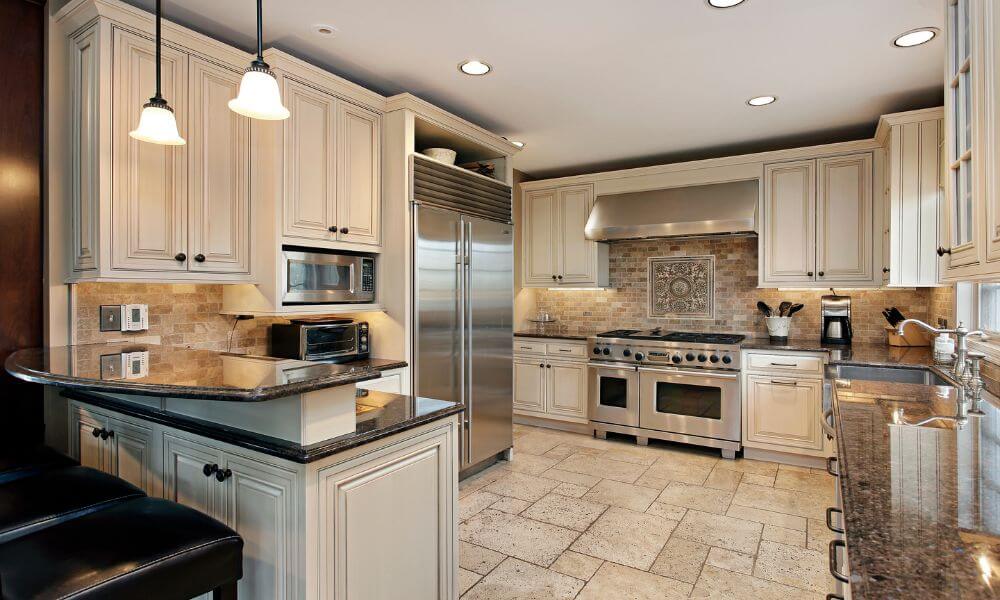
What Should Homeowners Consider When Choosing Cabinet Finishes?
Cabinet finishes play a significant role in shaping the overall look and functionality of a kitchen or any space with cabinetry. Choices in finish can dramatically affect aesthetics, durability, and ease of maintenance. Homeowners looking to refresh their kitchen may find themselves drawn to options like Oxford mist cabinets, known for their subtle, elegant tone that blends well with modern and traditional designs alike. The process of selecting finishes involves understanding materials, finishes, colors, cost, and long-term usability. A careful approach ensures cabinets not only look appealing but also withstand daily wear and tear while fitting the homeowner’s lifestyle.
Understanding Different Cabinet Finish Types
- Painted Finishes: Offer smooth, versatile surfaces in a wide range of colors. Paint can provide a uniform look, hide imperfections, and allow homeowners to choose shades that complement their décor.
- Stained Finishes: Highlight the natural grain of the wood, offering warmth and depth. Stains range from light, natural tones to rich, dark hues, suitable for classic or rustic kitchens.
- Glazed Finishes: Add a layered effect to cabinets, emphasizing depth and creating visual interest. Glazing can enhance textures and provide a more sophisticated appearance.
- Laminate Finishes: Durable and resistant to moisture, laminate cabinets are ideal for high-traffic kitchens. They are low-maintenance and available in numerous colors and patterns.
- Thermofoil Finishes: Provide a smooth, consistent appearance with a cost-effective approach. These finishes adhere to cabinet surfaces for a uniform look that is easy to clean and maintain.
Understanding the characteristics of each type helps homeowners decide which finish suits their needs, balancing aesthetics with practicality.
Material Compatibility With Finishes
- Solid Wood Cabinets: Accept paints, stains, or glazes effectively and tend to last longer, providing a classic and durable option for kitchens.
- Plywood Cabinets: Work well with paints and veneer finishes, offering a stable and sturdy base for different finishes.
- MDF Cabinets: Smooth surfaces are ideal for painted finishes, ensuring a clean, professional look without visible grain patterns.
- Particleboard Cabinets: Often paired with laminate or thermofoil finishes, providing a budget-friendly option while maintaining a smooth exterior.
Choosing a compatible material ensures the finish adheres properly, lasts longer, and maintains visual appeal. Material choice also affects cost, weight, and overall cabinet durability.
Color Selection and Aesthetic Impact
Selecting the right color significantly influences the kitchen’s mood and spatial perception. Light tones create a sense of openness and reflect natural light, making smaller kitchens feel more spacious. Neutral shades like whites, creams, and soft grays offer timeless appeal and flexible styling options. Darker shades add sophistication and elegance, particularly in larger spaces, and work well with metallic hardware or natural stone countertops. Coordinating cabinet color with flooring, backsplash, and wall colors ensures a cohesive design. Popular shades such as muted blues or greens provide subtle personality without overwhelming the space. Sampling colors in natural light helps visualize the final effect, and combining finishes, such as matte and gloss, can add depth. Homeowners should also consider future trends while prioritizing long-term satisfaction to avoid frequent updates.
Durability and Maintenance Considerations
Durability is a crucial factor in choosing cabinet finishes. Kitchens endure daily use, exposure to moisture, heat, and frequent cleaning. Finishes like laminate and thermofoil provide a resilient surface resistant to scratches and stains. Stained or painted solid wood cabinets require periodic maintenance such as polishing or sealing but offer superior longevity. Glazed finishes protect surfaces while adding visual complexity, though they may show fingerprints more easily. Understanding maintenance requirements helps homeowners select finishes aligned with their lifestyle. Families with children or pets benefit from durable, easy-to-clean finishes, reducing long-term effort. High-quality finishes protect cabinet structures, prevent warping, and maintain appearance for years. Selecting materials that resist chipping, peeling, or discoloration ensures the kitchen remains functional and attractive, minimizing renovation costs over time.
Environmental and Health Factors
Choosing environmentally friendly cabinet finishes contributes to a healthier home and supports sustainable practices. Low-VOC paints and stains reduce exposure to harmful chemicals while still providing vibrant and durable surfaces. Some finishes may release odors or emissions, making ventilation important during application. Sustainable wood sources or recycled materials align with eco-conscious home design. Homeowners prioritizing wellness should review product labels and certifications, such as Greenguard or FSC-certified wood, to ensure safe usage. Balancing aesthetics with health and environmental considerations allows homeowners to make informed choices that meet both design and sustainability goals.
Cost Implications of Cabinet Finishes
Cabinet finishes vary widely in cost, impacting overall renovation budgets. Painted finishes on MDF or plywood are often budget-friendly, while solid wood stained cabinets tend to be more expensive due to material and labor. Glazed finishes or specialty coatings increase cost but can elevate the space with a distinctive look. Laminate and thermofoil offer cost-effective solutions that mimic more expensive surfaces while requiring minimal maintenance. Hidden costs may include preparation, priming, sealing, and labor charges. Planning a budget that considers materials, labor, and long-term durability ensures homeowners achieve a balance between affordability and quality.
Matching Finishes to Kitchen Style
Cabinet finishes define and complement specific kitchen styles. Modern kitchens favor sleek, high-gloss or painted finishes in neutral tones. Traditional kitchens often showcase stained or glazed wood cabinets with rich textures. Farmhouse kitchens benefit from soft colors or distressed finishes for a welcoming, rustic feel. Transitional kitchens blend modern and classic elements, where combinations of painted and stained finishes create balanced elegance. Hardware selection, such as brushed nickel, brass, or matte black handles, further enhances the style. Selecting finishes aligned with the overall kitchen aesthetic ensures a cohesive and intentional design.
Hiring Professionals vs. DIY Finishing
Professional application guarantees a smooth, uniform finish that withstands long-term use. Experienced painters or cabinet specialists apply proper priming, sealing, and topcoats, ensuring durability and visual consistency. DIY approaches allow for customization and personal involvement but may result in uneven coverage or longer completion times. Homeowners should weigh the value of professional expertise against personal skill level and available time. Choosing the right approach impacts both appearance and maintenance, making this decision an essential step in cabinet renovation planning.
Conclusion
Selecting cabinet finishes requires careful evaluation of finish types, materials, colors, durability, cost, and kitchen style. Attention to detail ensures cabinets maintain functionality and aesthetic appeal for years. Using sample finishes, testing colors in natural lighting, and considering lifestyle needs provide practical guidance for successful choices. Options like Oxford mist cabinets exemplify how a thoughtful finish can elevate a kitchen’s look while remaining versatile and enduring. Planning thoroughly and prioritizing quality ensures cabinets complement the home’s design while supporting daily use, offering both visual satisfaction and long-term value.
FAQs
What is the best finish for high-traffic kitchens?
Durable finishes like laminate, thermofoil, and painted solid wood withstand frequent use and resist moisture, scratches, and stains.
How do I choose a cabinet color that complements my kitchen?
Consider natural light, existing flooring, countertops, and wall colors. Sampling paint or stain options in the space provides a realistic preview.
Are low-VOC finishes worth the cost?
Low-VOC finishes promote a healthier home environment while still offering quality and durability, making them a worthwhile investment for long-term safety.
Can I mix different finishes in one kitchen?
Combining finishes like painted and stained surfaces adds depth and character. Maintaining a cohesive color palette ensures a balanced and stylish design.


Leave a Reply
Want to join the discussion?Feel free to contribute!