
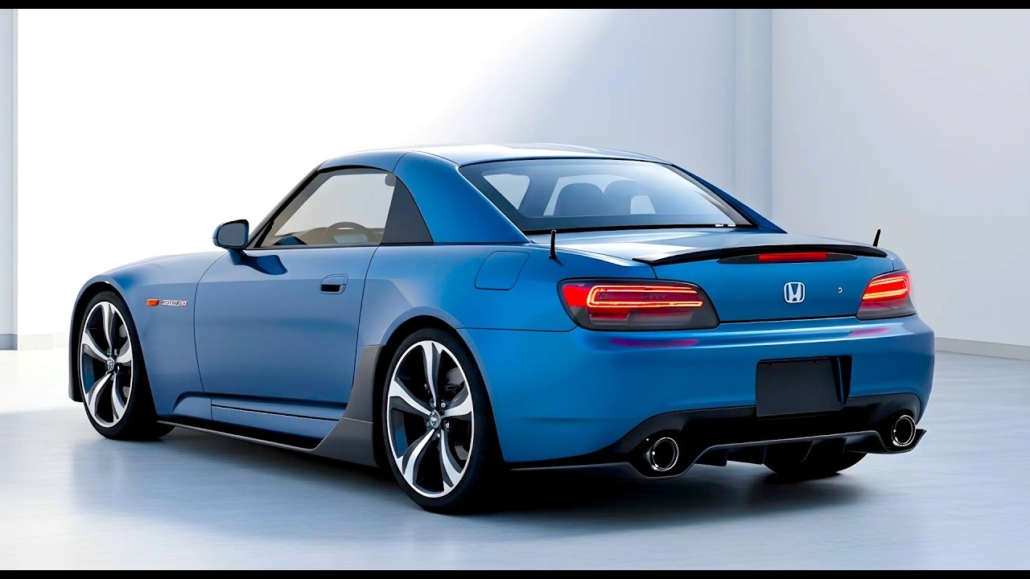
What Makes a Car Fun to Drive? Performance Features Explained
Driving enjoyment is not about speed alone. It comes from how a car responds, sounds, feels, and connects with the driver. Some vehicles make even short trips exciting. Others feel dull no matter how powerful they look on paper. Understanding what makes a car fun to drive helps explain why certain models are loved by enthusiasts and everyday drivers alike.
This guide breaks down the key performance features that influence driving enjoyment. It focuses on real-world feel, not marketing numbers. Each section explains how these elements work together to create a rewarding driving experience.
The Role of Engine Performance
Engine behavior shapes the personality of a car. Power delivery matters more than raw horsepower. A fun car responds instantly when you press the accelerator.
Engines that build power smoothly feel more engaging. Turbo lag or delayed response can reduce driver confidence. Naturally aspirated engines often feel more predictable, while modern turbo engines can deliver strong mid-range torque when tuned well.
Other engine-related factors also play a role.
- Throttle response determines how quickly the car reacts to driver input.
- Torque curve affects how usable the power feels at different speeds.
- Engine sound adds emotional feedback and driver connection.
A balanced engine makes the car feel alive without being overwhelming.
Transmission and Gear Engagement
The transmission controls how power reaches the wheels. A good gearbox enhances control and involvement.
Manual transmissions offer direct engagement. Drivers feel connected through clutch and gear shifts. Modern automatics and dual-clutch systems can be just as enjoyable when they shift quickly and predictably.
What matters most is how natural the transmission feels.
- Smooth shifts improve confidence in daily driving.
- Fast response helps during spirited driving.
- Gear ratios influence acceleration and cruising comfort.
A well-matched transmission keeps the driver focused on the road, not the mechanics.
Steering Feel and Precision
Steering is one of the most important elements of driving fun. It defines how the car communicates with the driver.
Good steering provides feedback. You should feel what the front wheels are doing. Overly light or numb steering reduces engagement.
Key steering traits include:
- Weight that feels natural at different speeds.
- Precision that allows accurate corner entry.
- Feedback that builds trust during turns.
Even cars with modest power can be fun when steering feels sharp and predictable.
Suspension and Handling Balance
Suspension tuning determines how a car behaves on real roads. Fun cars strike a balance between comfort and control.
Overly stiff setups may feel impressive on smooth roads but uncomfortable in daily use. Soft suspension can improve comfort but reduce confidence during cornering.
A good suspension setup delivers:
- Body control without harshness.
- Stability during quick direction changes.
- Compliance over bumps and uneven surfaces.
- Consistent tire contact with the road.
Handling balance matters more than extreme grip. A car that feels predictable is more enjoyable than one that feels edgy.
Braking Confidence and Control
Brakes are not just about stopping power. They influence how confident a driver feels when pushing the car.
Strong brakes with good pedal feel allow precise control. Drivers can brake later and smoother when they trust the system.
Important braking qualities include:
- Progressive pedal feel.
- Consistent performance under repeated use.
- Balanced braking that keeps the car stable.
Good brakes make driving safer and more engaging at the same time.
Weight and Chassis Design
Weight affects every aspect of driving. Lighter cars tend to feel more agile and responsive.
Chassis rigidity also matters. A stiff structure improves handling and steering response. It allows the suspension to do its job properly.
When weight and chassis design work together, the car feels planted yet playful. This balance is often why smaller cars deliver more smiles than heavier ones.
Driving Position and Ergonomics
A fun car fits the driver well. Seating position, pedal placement, and steering wheel adjustment all affect comfort and control.
Drivers should feel centered and supported. Visibility also plays a role in confidence.
Good ergonomics include:
- Supportive seats that hold the driver during cornering.
- Clear sightliness to the road.
- Controls placed within easy reach.
When the driving position feels right, the car becomes an extension of the driver.
Sound and Emotional Feedback
Sound plays a powerful role in driving enjoyment. Engine noise, exhaust tone, and even induction sounds add emotion.
Cars that provide audible feedback feel more engaging. Artificial sound can feel distracting if overdone.
The best sound setups feel natural. They enhance the experience without overpowering it. This emotional connection often separates fun cars from purely practical ones.
Technology That Enhances the Experience
Modern technology can improve driving fun when used correctly. Driver modes allow customization. Stability systems provide safety without killing engagement.
Useful technology includes:
- Adjustable driving modes that change throttle and steering feel.
- Traction systems that intervene smoothly.
- Performance displays that inform without distracting.
Technology should support the driver, not replace skill or involvement.
Real-World Driving Versatility
A truly fun car performs well in everyday conditions. It should be enjoyable on city roads, highways, and winding routes.
This versatility is why many people explore options like sports car rental Dubai. Experiencing different performance setups helps drivers understand what suits their preferences.
Fun does not require extreme speed. It requires balance and usability.
The Human Factor in Driving Enjoyment
Driving fun is also personal. Some drivers prefer sharp handling. Others value comfort with responsive power.
The best cars offer a connection. They respond consistently and predictably. This builds trust and enjoyment over time.
Many drivers who rent a car in Dubai notice how road conditions and vehicle setup influence enjoyment. Smooth power delivery and stable handling often matter more than top speed.
How Performance Features Work Together
No single feature makes a car fun. Driving enjoyment comes from harmony.
Engine, transmission, steering, suspension, and brakes must work as a system. Weakness in one area affects the whole experience.
A balanced car feels intuitive. It encourages confident driving without stress. That feeling is what drivers remember long after the drive ends.
Final Thoughts on Driving Fun
A fun car connects with the driver. It responds clearly and consistently. It builds confidence rather than demanding attention.
Performance features matter, but balance matters more. Steering feel, throttle response, and chassis tuning often outweigh raw numbers.
Understanding these elements helps drivers choose cars that suit their style. It also explains why some vehicles create lasting memories while others fade quickly.
Leave a Reply
Want to join the discussion?Feel free to contribute!