
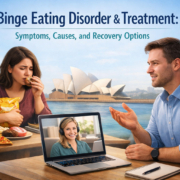
Binge Eating Disorder and Treatment: Symptoms, Causes, and Recovery Options
Binge eating disorder and treatment is a growing mental health concern across Australia, affecting people of all ages, genders, and backgrounds. Characterised by recurrent episodes of consuming large quantities of food alongside a sense of loss of control, binge eating disorder (BED) can have serious physical, emotional, and psychological consequences if left untreated. The good news is that with the right support, evidence-based care, and access to online treatment options, recovery is entirely possible.
This comprehensive guide explores the symptoms, causes, and most effective treatment approaches for binge eating disorder, with a focus on accessible online care for individuals across Australia.
What Is Binge Eating Disorder?
Binge eating disorder is a clinically recognised eating disorder marked by frequent binge episodes without compensatory behaviours such as purging or excessive exercise. During a binge episode, a person may eat much faster than normal, continue eating even when uncomfortably full, and feel distress, shame, or guilt afterwards.
BED is distinct from occasional overeating. It is a serious mental health condition that often coexists with anxiety, depression, trauma, or low self-esteem. According to Australian mental health research, binge eating disorder is one of the most common eating disorders in the country, yet it remains underdiagnosed and undertreated.
Common Symptoms of Binge Eating Disorder
Recognising the symptoms early is key to seeking appropriate binge eating disorder and treatment options. Symptoms can be behavioural, emotional, and physical.
Behavioural Symptoms
- Eating large amounts of food in a short period
- Feeling unable to stop eating or control portions
- Eating alone or in secret due to embarrassment
- Frequent dieting attempts followed by binge cycles
Emotional and Psychological Symptoms
- Feelings of guilt, shame, or disgust after eating
- Emotional eating triggered by stress, sadness, or boredom
- Low self-worth linked to body image or eating habits
- Anxiety or depression related to food and weight
Physical Symptoms
- Unexplained weight fluctuations
- Digestive issues such as bloating or discomfort
- Fatigue or low energy levels
- Increased risk of conditions like type 2 diabetes, high blood pressure, and heart disease
If these symptoms persist, professional assessment is strongly recommended.
What Causes Binge Eating Disorder?
There is no single cause of binge eating disorder. Instead, it develops due to a complex interaction of biological, psychological, and environmental factors.
Psychological Factors
Many people with BED use food as a coping mechanism for emotional distress. Trauma, chronic stress, anxiety, and depression are commonly associated with binge eating behaviours.
Biological and Genetic Factors
Research suggests that genetics may play a role, particularly involving brain chemicals that regulate appetite, impulse control, and reward pathways.
Diet Culture and Restrictive Eating
Repeated dieting, food restriction, or rigid eating rules can increase the risk of binge eating. When the body is deprived, it may respond with intense urges to overeat.
Social and Environmental Influences
Weight stigma, body shaming, and societal pressure to look a certain way can fuel disordered eating patterns. In Australia, growing awareness around mental health has helped reduce stigma, but many individuals still delay seeking help.
Why Early Treatment Matters
Without appropriate binge eating disorder and treatment, BED can become chronic and significantly impact quality of life. Long-term risks include:
- Obesity and metabolic disorders
- Cardiovascular disease
- Poor mental health and social isolation
- Reduced work productivity and daily functioning
Early intervention improves outcomes, shortens recovery time, and helps individuals develop a healthier relationship with food and their body.
Evidence-Based Treatment Options for Binge Eating Disorder
Effective treatment focuses on both the psychological and behavioural aspects of the disorder. Most people benefit from a personalised, multidisciplinary approach.
Cognitive Behavioural Therapy (CBT)
CBT is considered the gold standard treatment for binge eating disorder. It helps individuals:
- Identify triggers for binge episodes
- Challenge unhelpful thoughts about food and body image
- Build structured, balanced eating patterns
- Develop healthier coping strategies
CBT is widely available through online therapy platforms in Australia, making it accessible regardless of location.
Psychological Counselling and Talk Therapy
Other therapeutic approaches, such as acceptance and commitment therapy (ACT) or interpersonal therapy (IPT), may also be effective, particularly when BED is linked to relationship difficulties or emotional trauma.
Medication (When Appropriate)
In some cases, medication may be prescribed alongside therapy, especially when binge eating disorder co-occurs with depression, anxiety, or ADHD. Medication is never a standalone solution but can support psychological treatment.
Nutritional Support
Working with a qualified dietitian can help normalise eating patterns, reduce fear around food, and move away from restrictive dieting cycles. Nutrition therapy focuses on nourishment rather than weight loss.
Online Treatment for Binge Eating Disorder in Australia
Online mental health services have transformed access to binge eating disorder and treatment across Australia. Telehealth allows individuals to receive professional support from the comfort and privacy of their own home.
Benefits of Online Treatment
- Access to qualified clinicians nationwide
- No travel time or location barriers
- Greater flexibility for busy schedules
- Increased privacy and reduced stigma
For individuals in rural or remote areas, online treatment ensures continuity of care that might otherwise be unavailable.
Platforms like HelloDoc provide convenient access to online mental health professionals experienced in treating eating disorders, ensuring Australians can receive timely and evidence-based support.
Recovery: What to Expect
Recovery from binge eating disorder is not about perfectionit’s about progress. Everyone’s journey looks different, but common stages of recovery include:
- Reducing the frequency and intensity of binge episodes
- Developing emotional awareness and coping skills
- Improving self-esteem and body acceptance
- Establishing a balanced, flexible relationship with food
Setbacks can happen, but they do not mean failure. With the right support, long-term recovery is achievable.
Supporting Someone With Binge Eating Disorder
If someone you care about is struggling with BED, your support can make a meaningful difference.
- Encourage professional help without judgement
- Avoid commenting on weight or food choices
- Listen with empathy rather than offering quick fixes
- Educate yourself about binge eating disorder and treatment
Creating a supportive environment can reduce shame and help the person feel safe seeking help.
When to Seek Professional Help
You should consider seeking professional support if binge eating episodes occur regularly, cause emotional distress, or interfere with daily life. Early assessment by a qualified mental health professional can lead to better outcomes and tailored treatment planning.
In Australia, online therapy makes it easier than ever to access help, even if you’re unsure where to start.
Final Thoughts
Binge eating disorder is a serious but treatable condition. Understanding the symptoms, causes, and available treatment options empowers individuals to take the first step towards recovery. With evidence-based therapy, compassionate support, and accessible online services across Australia, recovery is not only possible, it’s achievable.
If you or someone you love is struggling, seeking professional guidance could be the turning point towards a healthier, more balanced life.