
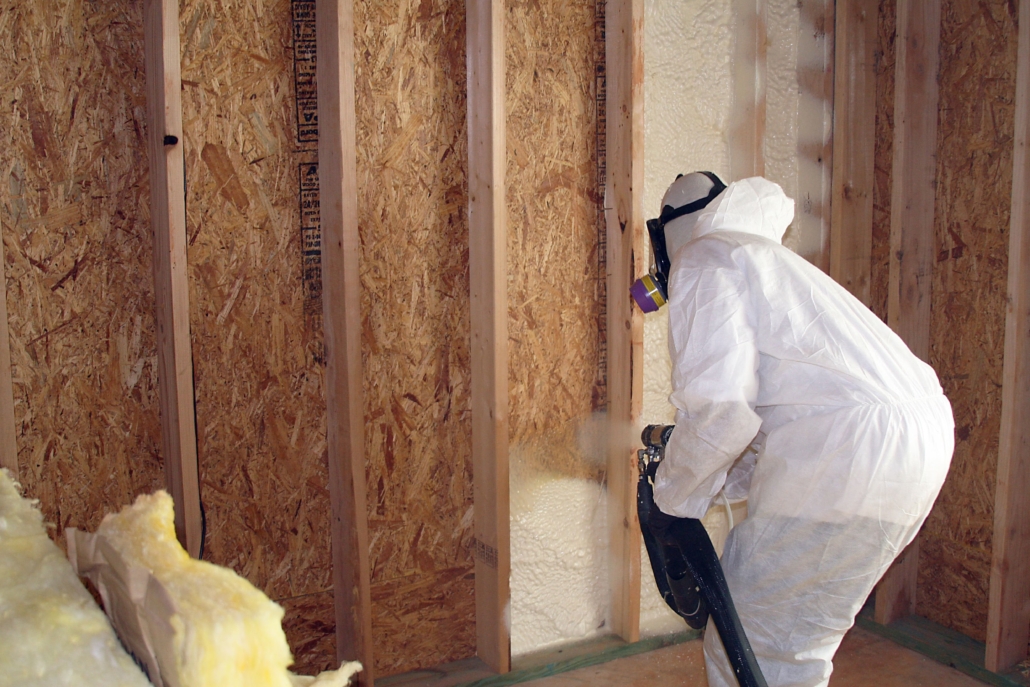
Spray Foam Benefits That Help Reduce Pest Problems
Spray foam insulation effectively stops pest infestations by sealing the tiny cracks where insects and rodents enter. Unlike fiberglass, it does not provide nesting material or food sources for common household invaders. Property owners who choose this material create an airtight envelope that excludes pests while maintaining a comfortable indoor climate.
This material expands to fill every void in the building envelope during the application process. Property owners often see a reduction in both energy bills and pest control costs after the installation is finished. This guide covers how these barriers protect structures over the long term from unwanted guests.
Industry experts have found that nearly one third of homes with traditional insulation suffer from some form of pest damage annually. Using a professional service to apply advanced foam products provides a durable solution to this ongoing problem. The following details help in understanding why a tight seal is necessary for building health.
Physical Barrier Properties that Deter Intruders
Professional spray foam insulation creates a dense shield that prevents access to the building interior. The material hardens into a rigid form that is difficult for pests to chew through or bypass. This physical exclusion is the first line of defense for any home, warehouse, or office.
Sealing Entry Points at the Source
Small gaps around pipes and electrical lines serve as highways for ants and spiders looking for a way inside. Spray foam fills these openings completely, leaving no space for even the smallest insects to pass through the walls. This total seal removes the primary method of entry for outdoor pests.
Hardened Texture as a Deterrent
Once the foam cures, it lacks the soft and fluffy texture that rodents prefer for their nesting sites. Mice and rats often find traditional insulation easy to move or burrow into for warmth during the colder months. The dense structure of cured foam makes it an unattractive place for animals to stay or hide.
Bonus Tip for Floor Joists
Apply foam to the rim joists where the house meets the foundation for maximum protection. This area is a frequent entry point for rodents looking for heat during winter months in colder climates. Sealing this perimeter stops intruders before they can reach the main living areas of the home.
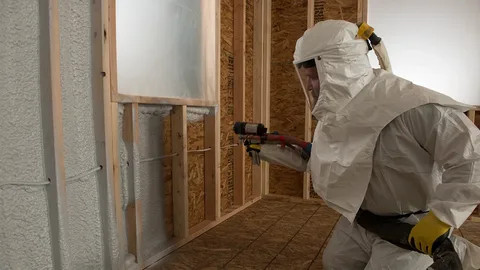
Eliminating Survival Resources and Attractions
Pests look for moisture and food when they choose a building to occupy for the season. High performance insulation manages the humidity levels inside wall cavities to keep them dry and stable. Removing these survival factors makes the entire property less inviting to pests like termites and silverfish.
Moisture Control and Mold Prevention
Termites and other wood boring insects are drawn to damp wood and high humidity environments within the structure. Closed cell foam acts as a vapor barrier that keeps liquid water from seeping into the building materials. Dry walls are much less likely to suffer from insect damage or rot over time.
Removing Food Sources for Insects
Many common pests eat the organic fibers found in some traditional insulation types like paper based products. Spray foam is an inert material that provides zero nutritional value to any living creature that might try to eat it. Without a food source nearby, pests quickly move on to find more hospitable environments.
Bonus Tip for Crawlspaces
Consider using foundation waterproofing along with spray foam in crawlspaces for a complete solution. This combination blocks ground moisture and creates a clean environment that bugs find very difficult to live in. Keeping these hidden areas dry is a major step in total building pest management.
Comparative Performance Against Traditional Materials
Understanding the differences between insulation types helps property owners select the best protection for their specific needs. Traditional products often fail to address the air leaks that bring pests and allergens inside the building. The following table shows how different materials handle common pest challenges in the field.
| Feature | Closed Cell Foam | Open Cell Foam | Fiberglass Batts |
|---|---|---|---|
| Entry Point Blocking | Excellent | High | None |
| Nesting Risk | Very Low | Low | High |
| Food Source Value | None | None | Moderate |
| Life Span | Indefinite | Indefinite | Settles Over Time |
| Moisture Resistance | High | Moderate | Low |
Things to Consider Before Making a Decision
Property owners must look at their specific environment and local pest types before starting a project. Some regions face higher risks from wood boring insects while others deal mainly with rodents and spiders. A professional evaluation identifies the most vulnerable spots in the building before the application starts.
- Inspect the attic for any existing signs of animal activity before sealing the area with foam.
- Determine if open cell or closed cell foam fits the moisture needs of the structure.
- Evaluate the current air quality to ensure the building remains healthy after it is tightly sealed.
- Check for any external food sources like trash bins that might attract pests to the perimeter.
- Consider the age of the building and any previous history of infestations.
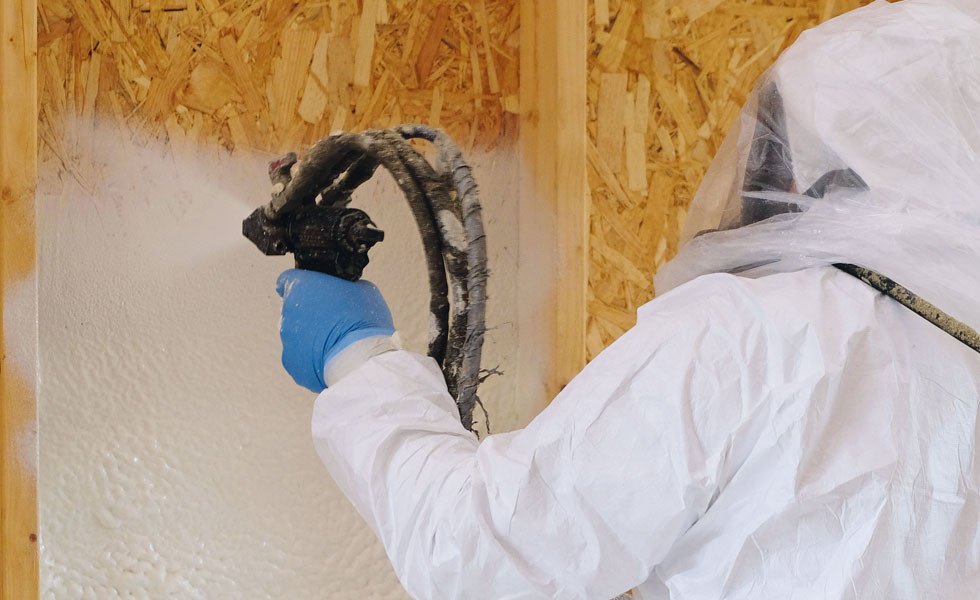
Increasing Structural Integrit
Closed cell foam adds a layer of strength to the walls and roof of a building when it hardens. This extra rigidity makes it harder for animals like raccoons or squirrels to force their way through small openings. A stronger building is naturally more resistant to the physical damage caused by larger pests.
Maintaining Long Term Effectiveness
Unlike other materials, spray foam does not sag or settle as the building gets older. This means the pest barrier remains just as effective ten years later as it was on the day of installation. Property owners enjoy peace of mind knowing their protection will not fade over time.
Additional Information on Pest Exclusion
Pest exclusion is often more effective and safer than using chemical baits or traps inside the living space. By blocking the entry points, the need for toxic sprays around the family or employees is greatly reduced. This creates a healthier environment for everyone who uses the property daily.
Questions about Pest Resistance
Can mice chew through spray foam?
While determined rodents can chew through many materials, they usually do not target spray foam because it offers no food or comfort. The hard surface and lack of any scent make it a low priority for animals looking for a nesting spot.
Does spray foam attract termites?
Spray foam does not attract termites because it is not an organic food source for them. However, it should be applied by experts who ensure the foundation remains visible for any required inspections in termite heavy areas.
Is spray foam a permanent pest solution?
It is a permanent part of a pest management plan because it does not degrade or lose its shape in the walls. It maintains a physical barrier for the entire life of the building without needing any maintenance.
Can pests nest inside open cell foam?
Open cell foam is softer than closed cell but still offers far less nesting appeal than old fiberglass batts. Most pests find it difficult to move through the dense structure to create a stable living space for their young.
Will sealing my home affect the current pests inside?
It is best to remove any existing pests before sealing the building to prevent them from being trapped inside. Once the entries are closed, new intruders will find it nearly impossible to gain access from the outside.
Final Summary of Benefits
Using spray foam provides a multi-layered defense against common pest problems by blocking entry and removing resources. This material ensures that property owners enjoy a quieter, cleaner, and safer environment for years to come. Assessing the long term goals for the building will help in choosing the right insulation service for the job. Taking action now prevents the high costs associated with pest damage and energy waste in the future.
Professional Pest Exclusion Services
High-quality protection is the foundation of a healthy and durable building. High Country Solutions supports performance-driven projects with a commitment to durability and building health. They offer specialized insulation services that effectively reduce pest issues in any residential or commercial structure. For more information on protecting your property from invaders, reach out to them at (307) 248-9063 or by email at admin@highcountrysol.com.
Author: Skeeter Aimone, co-founder of High Country Solutions, develops eco-friendly products to improve sustainability in outdoor gear. Brad Morrison leads the company’s technology strategy, creating systems that enhance outdoor experiences while prioritizing environmental responsibility. Established in 2018, they bring years of experience to advancing sustainable outdoor living through high-performance, responsible insulation materials.
Reviewer: Samuel Harris has worked across various roles in spray foam insulation over 11 years. His review focused on how businesses can better present their services to both new and returning clients.
Leave a Reply
Want to join the discussion?Feel free to contribute!