
Madhappy The Beauty of Choosing Optimism
Madhappy is more than a fashion brand—it is an emotional philosophy wrapped in fabric. Founded in Los Angeles, Madhappy has built its identity around a simple yet radical idea: that happiness and sadness can coexist, and that acknowledging both is an act of strength. In a world that often demands perfection and constant positivity, Madhappy’s beauty lies in its honesty. It does not promise happiness; it invites conversation.
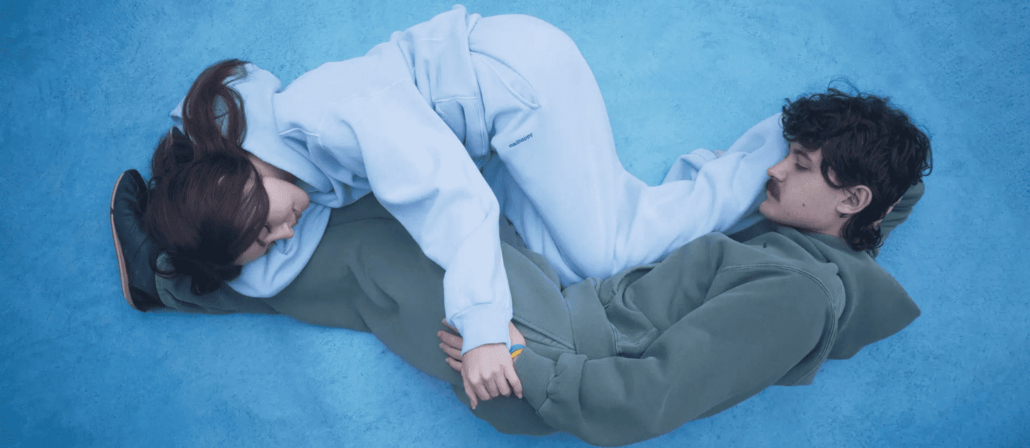
At first glance, Madhappy’s designs feel soft, colorful, and comforting. Pastel hoodies, relaxed sweatpants, clean typography, and gentle graphics create a sense of warmth and ease. But beneath this approachable aesthetic is a deeper intention. Madhappy uses clothing as a medium to explore mental health, emotional awareness, and self-acceptance. The brand’s name itself reflects this duality—being “mad” and “happy” at the same time, holding space for conflicting emotions without judgment.
What makes Madhappy truly beautiful is its commitment to mental health advocacy. Unlike brands that treat wellness as a marketing trend, Madhappy integrates it into its core mission. Through initiatives like the Madhappy Foundation and thoughtfully written messaging, the brand actively encourages open dialogue around mental health. It reminds people that struggling is not a failure, and that vulnerability can be powerful. In doing so, Madhappy turns fashion into a safe space.
The brand’s optimism feels grounded rather than naive. Madhappy does not ignore pain or pretend that life is always bright. Instead, it acknowledges complexity. Its designs often include affirmations or subtle reminders that emotions are temporary and human. This emotional intelligence gives the brand depth, allowing it to resonate with a generation that values authenticity over perfection.
Madhappy’s beauty is also found in its sense of community. The brand creates moments—pop-ups, collaborations, and shared experiences—that bring people together. These spaces feel less like retail environments and more like gatherings centered on connection. By fostering dialogue and inclusivity, Madhappy transforms customers into participants. Wearing the brand becomes a way of signaling openness, empathy, and emotional awareness.
The craftsmanship of Madhappy garments further enhances their appeal. Heavyweight fabrics, thoughtful tailoring, and attention to detail give the clothing a sense of permanence and care. These are pieces meant to be lived in, not rushed through seasons. The physical comfort of the clothing mirrors the emotional comfort the brand seeks to provide. It feels intentional, as if the clothes are designed to hold you during quiet moments as much as public ones.
Color plays a significant role in Madhappy’s visual language. Soft yellows, calming blues, muted greens, and warm neutrals create a palette that feels soothing rather than overwhelming. These colors are not chosen randomly; they reinforce the brand’s emotional message. They suggest hope without forcing it, optimism without denial. The result is an aesthetic that feels gentle, inviting, and sincere.
Madhappy also understands the power of language. Short phrases, simple typefaces, and carefully chosen words appear across its pieces, often encouraging reflection. These messages do not demand attention; they whisper reassurance. In a loud digital world, this subtlety is refreshing. Madhappy trusts its audience to listen closely.
In a fashion industry often driven by exclusivity and status, Madhappy offers something different: emotional accessibility. Its beauty is not about rarity or hype, but about relatability. The brand meets people where they are—confused, hopeful, anxious, growing—and offers companionship rather than answers.
Ultimately, Madhappy is beautiful because it is brave enough to be soft. It challenges the idea that strength means silence and that happiness must be constant. By embracing emotional honesty, Madhappy creates clothing that feels human. It reminds us that it is okay to feel deeply, to take things one day at a time, and to believe in optimism—not as a guarantee, but as a choice.


Leave a Reply
Want to join the discussion?Feel free to contribute!