
Inside the Supply Chain of Global Packaging Manufacturers
Global packaging moves through a complex network before it reaches a product. Raw materials travel across countries, pass through factories, and enter global distribution systems. Each step requires planning, technology, and coordination. Understanding this chain reveals how modern packaging manufacturers reaches industries worldwide.
Raw Material Sourcing and Early Supply Network
Every packaging product begins with raw materials. These materials often come from many regions. Paper fiber may come from forests in Scandinavia or Canada. Plastic resins may come from petrochemical hubs in the Middle East or the United States. Aluminum and steel may come from mines in Australia or South America.
Companies select suppliers carefully. Quality and reliability matter more than low price alone. Long-term supplier relationships help maintain steady production. When supply remains stable, factories avoid delays.
Procurement teams track several factors during sourcing. They must consider environmental rules, shipping costs, and geopolitical risk. Many firms now demand certified sustainable materials. This step helps them meet environmental targets and brand commitments.
Transportation plays a key role at this stage. Raw materials move through rail networks, cargo ships, and trucking routes. Logistics planners optimize routes to reduce delays and fuel use. Even small delays can slow production lines.
Digital procurement systems also help control supply. Many firms use real-time tracking tools. These systems show inventory levels and shipment status. Managers can respond quickly when supply changes.
Sustainability also shapes early supply decisions. Companies increasingly use recycled paper, recycled plastics, and bio-based materials. These options reduce environmental impact and support circular economy goals.
Weather, trade policy, and energy prices can disrupt supply. Therefore, firms often diversify suppliers across regions. This strategy lowers risk during global disruptions.
Through careful sourcing, the global network begins to form. Each supplier becomes one link in a long operational chain.
Material Processing and Conversion Facilities
After sourcing, raw materials enter processing plants. These facilities transform basic inputs into usable packaging materials. Each material type requires a different process.
Paperboard production starts with wood pulp. Mills clean and refine pulp fibers. Machines then press and dry the material into sheets. These sheets later become cartons or corrugated boards.
Plastic packaging follows another path. Resin pellets melt and shape through extrusion or injection molding machines. The process creates films, containers, and rigid components.
Metal packaging also requires specialized production. Steel or aluminum sheets roll through forming machines. Factories shape them into cans, lids, and containers.
Factories must maintain strict quality standards. Food and pharmaceutical packaging requires extra control. Any contamination could harm consumer safety.
Energy use remains high in these facilities. Paper mills and plastic plants require large machines. Many companies now invest in renewable energy and efficiency systems. These investments lower carbon emissions.
Automation also improves factory productivity. Robotic systems now handle cutting, stacking, and inspection tasks. Automated sensors detect defects quickly. Workers then fix issues before they grow larger.
Production planning teams schedule manufacturing runs carefully. They must match supply with customer demand. Overproduction wastes material and energy.
Inside this network, coordination becomes essential. A delay in one facility can disrupt downstream processes. Therefore, digital systems track orders across factories.
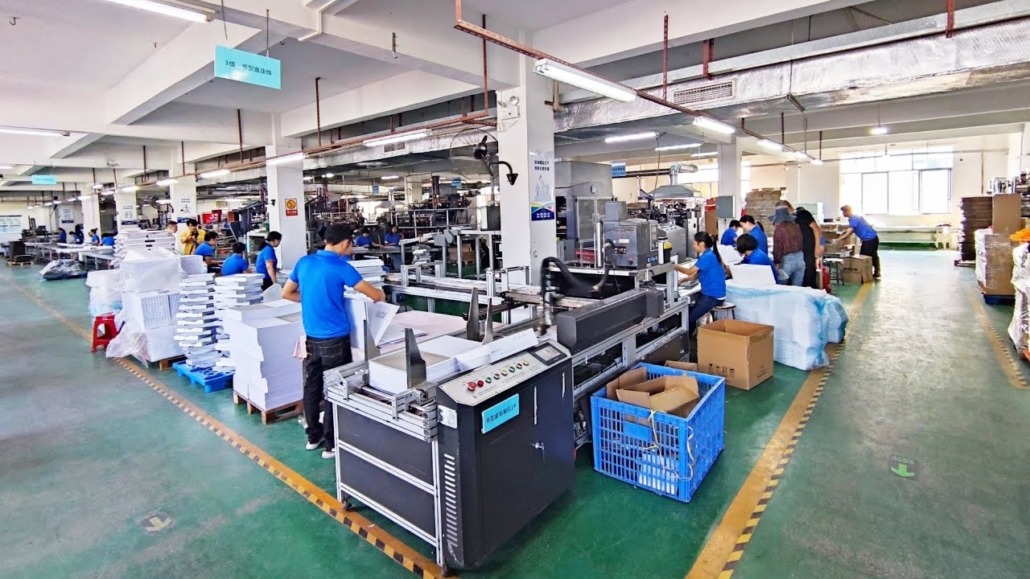
Within this industrial ecosystem, many global packaging manufacturers operate large conversion plants. These plants transform materials into packaging components used by food, beverage, healthcare, and e-commerce industries.
Through efficient processing, raw materials become ready for product design and assembly.
Design Engineering and Product Development
Packaging design sits at the center of the modern supply chain. Engineers must balance protection, cost, and sustainability. Good design ensures that products reach consumers safely.
Design teams start by studying product needs. Fragile electronics require shock protection. Food products require barrier protection against moisture or oxygen. Each industry demands unique packaging performance.
Computer modeling tools help engineers test designs quickly. Digital simulations show how packages behave during shipping. Engineers can adjust shapes and materials before production begins.
Prototyping follows the design phase. Factories create small production samples. These samples undergo drop tests, compression tests, and vibration testing. Engineers analyze the results and refine the design.
Sustainability now drives many design decisions. Companies aim to reduce material weight. Lighter packaging lowers shipping cost and carbon emissions. Designers also explore recyclable or compostable materials.
Brand appearance also matters. Packaging acts as a marketing tool on store shelves. Designers use color, texture, and shape to attract attention. A strong design can increase product sales.
Cross-functional teams support development. Engineers work with marketing, procurement, and logistics experts. This collaboration ensures that the final design fits the entire supply chain.
Manufacturability also remains important. A beautiful design must still run efficiently on production lines. Designers must consider machine speed and material handling.
As a result, packaging design connects creativity with engineering. It shapes how materials, machines, and logistics work together.
Key Stages in Global Manufacturing Operations
Manufacturing operations include several structured stages. Each stage ensures efficiency and quality across the production chain.
- Material preparation
Raw materials enter the facility and undergo inspection. Workers check quality and composition before processing. - Primary forming processes
Machines shape materials into containers, films, cartons, or rigid structures. - Printing and branding
High-speed printing equipment adds graphics, labels, and brand colors. - Cutting and finishing
Factories trim materials to exact dimensions. This step prepares packaging for product filling. - Quality inspection
Sensors and human inspectors verify dimensions, strength, and appearance. - Bulk packaging for shipment
Finished components pack into pallets or crates. These loads prepare for transport to product manufacturers.
Production efficiency depends on tight coordination between these stages. Even a minor slowdown can affect daily output.
Many factories run continuous production lines. Machines operate twenty-four hours each day. Maintenance teams monitor equipment to avoid sudden failure.
Data systems collect performance metrics from every machine. Managers study this data to improve efficiency and reduce waste.
Manufacturing also depends on skilled technicians. They operate machines, maintain systems, and troubleshoot problems.
Through structured operations, factories maintain speed, precision, and reliability across large global supply networks.
Logistics and Global Distribution Channels
Once production finishes, distribution begins. Packaging products travel through global logistics networks before reaching customers.
Most shipments move through multimodal transportation. Trucks connect factories to rail terminals or seaports. Cargo ships then carry goods across oceans. Finally, regional trucking delivers them to customers.
Warehouse hubs play an important role. These facilities store finished packaging close to major customers. This approach reduces delivery time.
Inventory planning helps maintain balance between supply and demand. Too much inventory increases storage cost. Too little inventory risks production delays for customers.
Digital logistics platforms now track shipments in real time. Managers monitor cargo movement across continents. If delays occur, they can adjust routes quickly.
International trade rules also affect distribution. Customs procedures, tariffs, and compliance rules vary across countries. Logistics teams must understand each regulation.
Sustainability also shapes modern logistics planning. Companies aim to reduce emissions across transportation networks. Rail transport often replaces long-distance trucking when possible.
Some firms also adopt regional production strategies. Instead of exporting long distances, they build factories closer to customers. This approach shortens the supply chain.
Through advanced logistics systems, packaging moves efficiently from factory to product manufacturer.
Role of Technology and Automation in Supply Chains
Technology now drives supply chain performance. Digital systems help companies track materials, production, and deliveries.
Enterprise resource planning systems connect departments across the company. Procurement, manufacturing, and logistics teams share the same data. This integration improves decision making.
Artificial intelligence also supports forecasting. AI tools analyze past demand and market trends. These systems predict future packaging demand with high accuracy.
Automation improves production speed and consistency. Robotic arms handle repetitive tasks such as stacking cartons or moving pallets. Machines work faster than manual labor while maintaining precision.
Sensors also collect machine performance data. Predictive maintenance tools analyze this information. When equipment shows early signs of failure, maintenance teams act quickly.
Blockchain technology also gains attention. It allows transparent tracking of material sources. Companies can verify sustainable sourcing more easily.
Cloud computing supports global operations. Managers access supply data from anywhere. This visibility helps them respond quickly to disruptions.
Technology also supports sustainability goals. Digital systems measure carbon emissions across operations. Companies use this data to reduce environmental impact.
Through continuous innovation, supply chains become more resilient and efficient.
Major Risks and Disruptions Across the Supply Chain
Supply chains face many risks. Global networks depend on stable trade routes, energy supply, and political stability.
Common disruptions include:
- Raw material shortages
Natural disasters or market shifts can reduce supply of paper, plastic, or metals. - Transportation delays
Port congestion or fuel shortages can slow cargo movement. - Geopolitical tensions
Trade restrictions may limit cross-border shipments. - Energy price fluctuations
Manufacturing costs rise when electricity or fuel prices increase. - Environmental regulations
New rules can force sudden changes in materials or production processes.
Companies build resilience to manage these risks. Many maintain multiple suppliers across regions. This strategy reduces dependency on one source.
Inventory buffers also help during disruptions. Warehouses may store extra materials for emergency use.
Scenario planning allows companies to test response strategies. Managers simulate supply disruptions and prepare backup plans.
Insurance coverage and contractual safeguards also reduce financial exposure.
Risk management now stands as a core supply chain function. Firms that prepare early recover faster during disruptions.
Sustainability and the Future of Packaging Supply Networks
Sustainability now shapes the future of packaging supply chains. Governments, brands, and consumers demand environmental responsibility.
Recycling systems form a key part of this transformation. Companies design packaging that can enter recycling streams easily. Clear labeling also helps consumers recycle correctly.
Material innovation also continues. Bio-based plastics and fiber alternatives reduce dependence on fossil resources. Researchers test new materials that degrade naturally.
Circular economy models also gain traction. In these systems, used packaging returns to production cycles. Recycled materials become inputs for new packaging products.
Carbon reduction targets also influence operations. Many companies aim for net-zero emissions in coming decades. Renewable energy, efficient transport, and lightweight materials support this goal.
Collaboration across industries also increases. Packaging firms work with retailers, governments, and waste management companies. Together they build systems that recover materials efficiently.
Transparency also grows in importance. Companies now publish sustainability reports and supply chain disclosures. These reports build trust with customers and regulators.
Digital tools support this transformation. Tracking systems monitor material origin, recycling rates, and carbon impact.
As sustainability pressures grow, supply chains will continue evolving. Future networks will likely become more regional, digital, and circular.
Conclusion
The global packaging supply chain is a highly connected system that links raw material sources, factories, designers, and logistics networks. Each stage works together to ensure that packaging reaches industries safely and efficiently. From the first step of sourcing materials to the final stage of distribution, coordination remains essential.
First, companies secure reliable raw materials from different regions. Then, processing plants convert these materials into usable packaging forms. After that, engineers design products that protect goods and support branding. Manufacturing facilities produce these designs at large scale while maintaining quality standards. Finally, logistics systems move the finished packaging to customers across global markets.
Technology now plays a strong role in improving supply chain performance. Digital tracking, automation, and predictive systems help companies manage production and distribution more efficiently. These tools reduce delays, improve accuracy, and support better decision making.


Leave a Reply
Want to join the discussion?Feel free to contribute!