

How Water Mitigation Protects Your Family From Airborne Toxins
Water mitigation protects families from airborne toxins by stopping moisture growth early, removing contaminated materials, and restoring dry conditions. When water sits in a home, it creates a breeding ground for mold, bacteria, and dust that can spread through HVAC systems. A mitigation process that includes drying, dehumidification, and containment limits airborne particles and keeps indoor air safer.
This article explains the steps involved in water mitigation, what toxins to watch for, and how to evaluate the quality of mitigation work. It also includes a comparison table, decision factors, and practical guidance for Longview, WA, where humidity and rainfall can increase mold risk.
How Water Mitigation Stops Toxins Before They Spread
Water mitigation works by removing standing water, drying materials, and controlling air movement. These steps reduce the chance of mold spores, bacteria, and dust becoming airborne. A professional mitigation team can also identify hidden moisture that causes toxins to form behind walls and under floors.
Early mitigation is the most effective way to prevent airborne toxins. The longer water sits, the more time contaminants have to grow and spread. A fast, structured response limits damage and keeps families from breathing contaminated air.
What Happens When Water Stays Too Long
When water is left untreated, mold and bacteria begin growing within 24 to 48 hours. These organisms release spores and particles into the air. Over time, the air quality worsens and can cause respiratory issues for family members.

Why Containment Matters
Containment prevents contaminated air from moving into clean areas of the home. Without it, spores and dust can spread through hallways and HVAC ducts. A clear containment plan reduces cross-contamination and limits the affected area.
Bonus Tip
Homeowners should ask if the mitigation team uses negative air machines. These units reduce airborne particles during cleanup and drying.
Key Toxins Water Mitigation Prevents
Water damage can create airborne toxins from multiple sources. Mold spores are the most common, but bacteria and dust from building materials also contribute. A mitigation team should identify the likely toxins and plan removal accordingly.
- Mold spores and mycotoxins: Mold spores become airborne when materials are disturbed or when air moves through damp spaces. Mycotoxins can attach to these spores and spread through the home. Mitigation that includes drying, containment, and removal of porous materials limits this spread.
- Bacteria and sewage contaminants: Flooding from sewage or stormwater can bring harmful bacteria into the home. These contaminants can become airborne during cleanup if proper containment is not used. Water mitigation should include disinfection and safe disposal of affected materials.
- Dust and debris: Drywall, insulation, and flooring can release dust during water damage. This dust can contain particles that irritate lungs and worsen allergies. Proper cleanup and air filtration reduce airborne debris.
The Water Mitigation Process That Protects Indoor Air
A reliable mitigation process includes assessment, water removal, drying, and monitoring. Each step supports the next and reduces the chance of toxins spreading.
Assessment and Moisture Mapping
The team should check moisture levels in walls, floors, and ceilings. Thermal imaging and moisture meters reveal hidden wet areas. This prevents missed moisture that can lead to mold later.
Water Extraction and Dehumidification
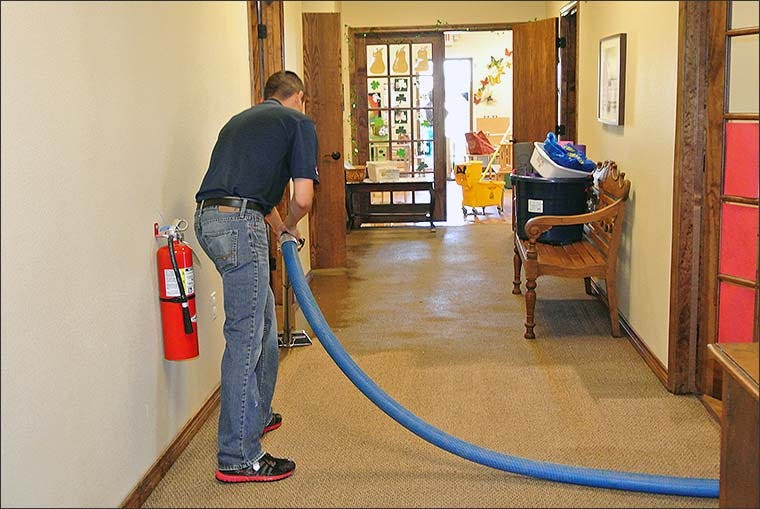
Water extraction removes standing water quickly. Dehumidification reduces humidity and speeds drying. This step is essential in humid climates like Longview, where moisture can linger.
Monitoring and Final Clearance
Monitoring confirms that moisture levels return to normal. A final clearance check ensures the space is safe for repairs and occupancy. This reduces the chance of recurring mold and airborne toxins.
Bonus Tip
Request a final moisture report. This document confirms the home reached safe dryness levels before repairs begin.
Comparing Mitigation Approaches in a Simple Table
| Mitigation Step | What a Quality Team Does | What Low Quality Work Looks Like |
|---|---|---|
| Assessment | Moisture mapping and thermal imaging | Surface inspection only |
| Containment | Barriers and negative air | No containment plan |
| Drying | Dehumidifiers and air movers | Minimal equipment or no monitoring |
| Cleanup | HEPA vacuuming and disinfection | Basic cleaning only |
| Monitoring | Regular moisture checks | No follow-up checks |
Things to Consider Before Making a Decision
Choosing a mitigation team requires more than price and availability. Homeowners should evaluate the company’s documentation, equipment, and safety practices. Longview’s high humidity can extend drying times, so the plan should include regular monitoring and a clear timeline.
Homeowners should also check how the team handles hidden moisture and contaminated materials. If the mitigation does not remove soaked drywall, insulation, or flooring when needed, toxins can return later. A solid plan includes both drying and removal of affected materials.
Local Climate and Humidity Effects
Longview sees frequent rain and high humidity, which slows drying. Mitigation teams should adjust equipment and monitoring schedules to match these conditions. A plan that ignores humidity can leave moisture trapped in walls and subfloors.
Insurance and Documentation
Homeowners should confirm that the mitigation company provides detailed documentation for insurance claims. This includes photos, moisture readings, and a clear scope of work. Proper records help avoid disputes and ensure the work meets standards.
Bonus Tip
Ask for a written plan for any additional work that may be needed if hidden moisture is found. This prevents surprise costs and delays.
Final Thoughts on Airborne Safety After Water Damage
Water mitigation protects families by removing moisture, controlling air movement, and cleaning contaminated materials. A structured mitigation process prevents mold and bacteria from becoming airborne and keeps indoor air safer. Homeowners should choose a team that documents the work, monitors drying, and adjusts for local humidity.
The best approach matches the damage level, the home’s construction, and the climate conditions. Homeowners should evaluate the plan and the timeline before signing an agreement, and choose the option that keeps their home dry and safe.
Next Steps for Homeowners
Homeowners seeking water mitigation guidance can contact Prestige NW Restoration for a clear assessment and documented plan. Their team can explain drying steps, containment methods, and how they prevent airborne toxins. For more information or to schedule an evaluation, email dispatch@prestige-nw.com.
Questions People Ask About Water Mitigation and Air Quality
How soon should water mitigation start after a leak?
Mitigation should begin within 24 hours when possible. Faster action reduces mold growth and airborne contamination.
Can mitigation remove mold spores from the air?
Mitigation reduces mold spores by drying and containing affected areas. HEPA filtration and cleaning also lower airborne particles.
What should be removed after water damage?
Porous materials like drywall, insulation, and carpet may need removal if they stay wet. Removal prevents mold and toxin buildup.
How does humidity affect drying?
High humidity slows evaporation and can keep walls damp longer. Dehumidifiers and air movers help, but monitoring is essential.
Is air testing needed after mitigation?
Air testing is not always required, but it can confirm cleanup results. Testing may be useful when occupants have symptoms or when mold was extensive.
Author: Established on April 2, 2012, Prestige NW is led by owner Kelly Kerns, who brings extensive experience in restoration, construction, and customer service. Kelly supports both field operations and marketing, writing clear, practical content for homeowners while overseeing marketing strategy, partner communication, and brand direction.
Reviewer: Matthew Moore brings over 15 years of experience in residential renovation marketing. The review provided helped shape this content to better connect with homeowners seeking reliable, high-quality restoration and home improvement services.

Leave a Reply
Want to join the discussion?Feel free to contribute!