
How Experts Handle Complex Insulation Projects in Ashland, OR,
Experts handle complex spray foam insulation projects by diagnosing air, moisture, and heat movement before any material is installed. In Ashland, OR, coastal weather, older buildings, and mixed construction styles make this step critical. The goal is long-term performance, not quick coverage.
Quick answers that matter most
- They identify hidden air and moisture problems first
- They choose materials based on structure and climate, not trends
- They install with building science, not shortcuts
Coastal Conditions Create Complex Insulation Problems
Ashland sits in a coastal climate with high humidity, wind exposure, and temperature swings. These conditions push moisture into walls, attics, and crawl spaces. Poor insulation choices trap that moisture and shorten building life.
Experts focus on how the structure behaves over time. According to guidance from the U.S. Department of Energy, coastal homes require insulation strategies that control air movement and moisture together, not separately, as explained in their overview of building envelope performance.
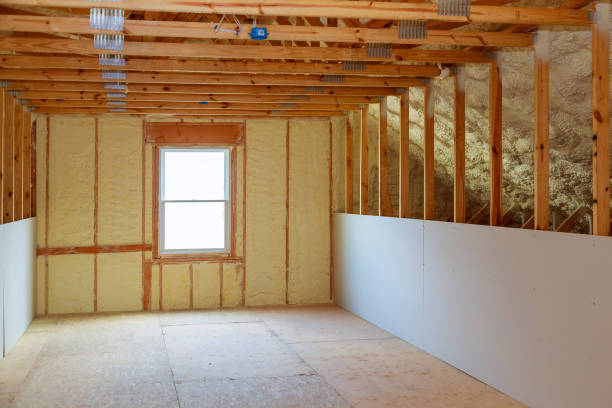
Why Moisture Drives Every Decision
Moisture moves with air. When warm, damp air leaks into cool cavities, condensation forms. This leads to mold, rot, and insulation failure.
Professionals look for:
- Ventilation flaws in attics
- Ground moisture in crawl spaces
- Wall assemblies that dry slowly
Older Homes Add Hidden Challenges
Many Ashland homes were built before modern air sealing standards. Gaps, mixed materials, and past retrofits complicate insulation work. Experts map these conditions before choosing a solution.
How Do Experts Evaluate Complex Insulation Projects?
Complex projects start with diagnostics, not materials. Experts rely on tested methods to see what the eye cannot.
Air Leakage Testing Comes First
Blower door testing shows how much air escapes and where. This data guides insulation placement. The U.S. Environmental Protection Agency notes that proper air sealing and insulation upgrades work best when air leaks are addressed before adding insulation.
Thermal Imaging Confirms Weak Zones
Infrared scans reveal cold and hot spots in walls and ceilings. These images confirm missing insulation, compression, or moisture intrusion without opening surfaces.
Material Selection Follows the Data
Experts match insulation type to the problem:
- Spray foam for air sealing and moisture control
- Dense-pack insulation for enclosed cavities
- Rigid foam for thermal breaks
Insulation Material Comparison for Complex Projects
| Factor | Spray Foam | Fiberglass | Blown-In Cellulose |
|---|---|---|---|
| Air Sealing | Excellent | Poor | Moderate |
| Moisture Resistance | High | Low | Moderate |
| Coastal Durability | High | Low | Moderate |
| Long-Term Performance | Stable | Can degrade | Can settle |
Performance And Cost Tradeoffs Matter
Complex projects cost more upfront because they require planning and skilled labor. The payoff comes later through durability and energy savings.
Energy Efficiency Gains
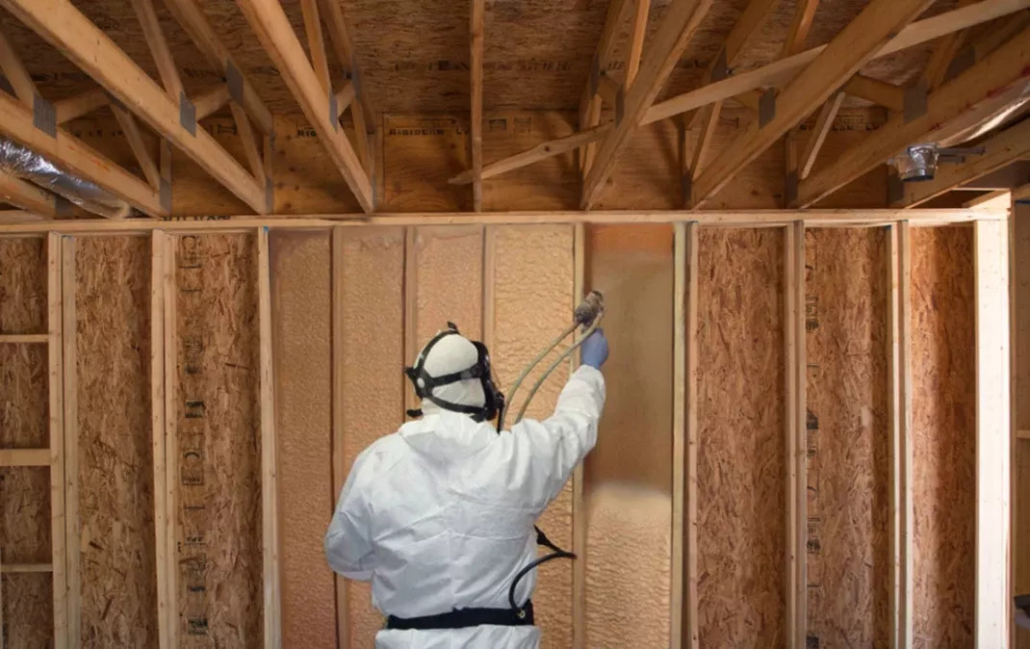
When air leaks are sealed, HVAC systems cycle less. According to analysis published by the National Renewable Energy Laboratory, comprehensive insulation and air sealing can reduce total home energy use by up to 30 percent, as shown in their research on residential energy efficiency retrofits.
Long-Term Cost Control
Poor insulation choices lead to:
- Moisture repairs
- Mold remediation
- Early material replacement
Experts weigh these risks before recommending any system.
Code And Climate Compliance
Ashland projects must meet Oregon energy codes and moisture control requirements. Experienced contractors design insulation systems that pass inspection and perform in real conditions.
Experience-Based Optimization Tips
- Seal first, then insulate
- Control moisture at the source, not the surface
- Avoid mixing incompatible insulation types
These steps prevent failures seen in rushed or budget-driven projects.
Real-World Results In Coastal Homes
In coastal retrofit projects, homes that combined air sealing with spray foam in crawl spaces showed drier framing and steadier indoor temperatures within one season. These outcomes reduced HVAC runtime and surface condensation during winter storms.
Conclusion On Complex Insulation Projects
Complex insulation projects demand more than material knowledge. They require understanding how buildings move air, heat, and moisture over time.
Key takeaways include:
- Climate drives insulation strategy
- Diagnostics prevent costly mistakes
- Long-term performance outweighs short-term savings
All Foam & Insulation, LLC supports performance-focused insulation projects by applying proven building science to real Ashland conditions.
Work With All Foam & Insulation, LLC
All Foam & Insulation, LLC helps property owners make informed insulation decisions for complex structures. Their approach prioritizes durability, efficiency, and moisture control.
For project guidance or evaluations: Phone: (541) 826-9600 Email: joe@allphasewx.com
Frequently Asked Questions
Why are coastal insulation projects more complex?
High humidity and wind push moisture into building cavities, increasing failure risk.
Is spray foam always the best option?
No. It works well for air sealing, but material choice depends on structure and moisture exposure.
Can insulation fix existing moisture problems?
No. Moisture sources must be controlled before insulation is added.
How long does a complex insulation project take?
Evaluation adds time, but installation often finishes within days once the plan is set.
Do older homes need different insulation methods?
Yes. Older framing and materials require custom solutions.
How do experts avoid trapped moisture?
They design assemblies that both seal air and allow proper drying.
Reviewer: Lily Johnson offered her feedback after reviewing this post. With 8 years in the spray foam insulation field, her suggestions focused on improving outreach to homeowners seeking high-quality insulation solutions.
Sources
- U.S. Department of Energy – Building Envelope Performance – Federal guidance on air, moisture, and thermal control
- U.S. Environmental Protection Agency – Insulation and Air Sealing – Indoor air quality and sealing best practices
- National Renewable Energy Laboratory – Residential Energy Efficiency – Research on energy savings from insulation and air sealing


Leave a Reply
Want to join the discussion?Feel free to contribute!