
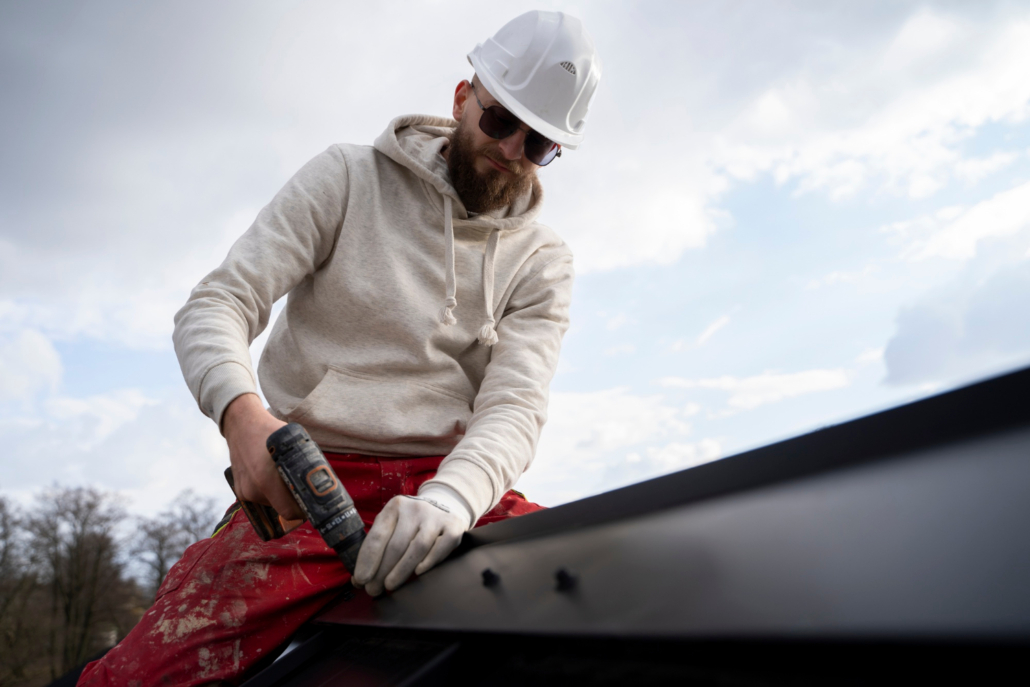
How a Roof Inspection Helps Prevent Expensive Structural Damage
Many homeowners assume their roof is in good condition as long as there are no visible leaks or missing shingles. In reality, roofing problems often begin beneath the surface and progress quietly over time. These hidden issues can compromise structural components long before obvious damage appears. With guidance from professionals such as AG Exterior Solutions, homeowners can better understand how early evaluation protects their home from costly repairs.
A roof inspection is not just a routine checkup but a preventative measure that identifies vulnerabilities before they escalate. Small concerns such as moisture intrusion or material fatigue may go unnoticed without trained evaluation. When these problems remain untreated, they can weaken the roof system and affect other parts of the home.
Understanding the value of proactive assessment empowers homeowners to protect their property, plan maintenance wisely, and avoid unexpected expenses caused by advanced structural damage.
Identifying Hidden Problems Beneath the Surface
One of the greatest advantages of a professional evaluation is the ability to uncover problems that are not visible from the ground. Issues such as soft decking, deteriorated underlayment, or early moisture penetration often develop without outward signs.
During a roof inspection, trained professionals examine areas where damage commonly begins, including roof valleys, penetrations, and flashing. By identifying these concerns early, homeowners can address them before they affect larger structural components.
Early detection prevents minor issues from evolving into extensive repairs that impact the entire roof system.
Protecting the Roof Deck and Structural Supports
The roof deck serves as the foundation for all roofing materials. When water penetrates through damaged shingles or compromised seals, the deck can weaken over time. This deterioration may lead to sagging, warping, or structural instability.
Professional evaluations assess the condition of the decking and supporting framework. Identifying soft spots or moisture damage early allows for targeted repairs rather than full structural replacement.
Preserving these foundational elements is essential for maintaining the safety and stability of the home.
Preventing Moisture Damage and Mold Growth
Moisture is one of the most destructive forces affecting residential structures. Even small leaks can introduce water into insulation, wood framing, and interior surfaces. Over time, this moisture creates ideal conditions for mold and mildew.
A thorough roof inspection helps locate sources of water intrusion before moisture spreads. Inspectors look for signs such as discoloration, damp materials, or compromised seals that indicate water movement.
By addressing moisture issues early, homeowners protect indoor air quality and avoid costly remediation efforts.
Evaluating Flashing and Sealing Points
Flashing and sealants protect the most vulnerable areas of the roof. Chimneys, vents, skylights, and roof edges all rely on proper sealing to prevent leaks. These components are exposed to movement and weather stress, making them prone to deterioration.
Inspections include close examination of these areas to ensure flashing remains secure and sealants are intact. Even small gaps can allow water to enter and travel along structural components.
Maintaining proper sealing prevents leaks that often cause hidden and progressive damage.
Assessing Shingle Condition and Material Wear
Shingles act as the first line of defense against weather. Over time, they may crack, curl, or lose protective granules. While these changes may seem minor, they reduce the roof’s ability to shed water effectively.
During evaluation, inspectors assess wear patterns and material integrity. Uneven deterioration may indicate underlying issues such as ventilation problems or improper installation.
Addressing material wear early helps extend roof lifespan and prevents deeper structural concerns.
Monitoring Ventilation and Attic Conditions
Proper ventilation plays a critical role in roof health. Without adequate airflow, heat and moisture become trapped in the attic, accelerating material deterioration and increasing moisture risks.
A roof inspection includes evaluating ventilation pathways and attic conditions. Inspectors check for blocked vents, condensation, or insulation issues that may affect roof performance.
Balanced ventilation supports temperature regulation and protects both roofing materials and structural components.
Detecting Drainage and Water Flow Issues
Effective drainage is essential for preventing standing water and moisture buildup. Clogged gutters, blocked valleys, or improper slopes can cause water to pool on the roof surface.
Inspections identify drainage issues that may not be obvious during dry conditions. By ensuring water flows away from the roof efficiently, homeowners reduce the risk of leaks and material breakdown.
Proper drainage protects the roof and prevents water from reaching structural areas.
Reducing Long-Term Repair Costs
Addressing issues early through regular evaluation significantly reduces long-term expenses. Minor repairs performed promptly are far less costly than addressing advanced structural damage caused by prolonged neglect.
Homeowners who schedule routine assessments often avoid emergency repairs and unexpected disruptions. This proactive approach creates predictable maintenance costs and greater financial control.
Investing in prevention saves money and preserves home value over time.
Supporting Property Value and Safety
A well-maintained roof contributes directly to property value. Buyers often view roof condition as a major indicator of overall home care. Documented evaluations provide reassurance that the roof has been properly maintained.
Safety is another important consideration. Structural damage caused by moisture or weakened components can affect ceilings, walls, and electrical systems. Early evaluation helps prevent hazards associated with compromised roofing systems.
Consistent care supports both safety and long-term investment protection.
Making Inspections Part of Ongoing Home Care
A roof inspection should be part of a broader home maintenance strategy rather than a reaction to visible problems. Regular evaluation provides insight into roof condition and allows homeowners to plan repairs or upgrades strategically.
Professionals understand how to interpret subtle warning signs and recommend appropriate actions. Through careful assessment, AG Exterior Solutions helps homeowners stay ahead of potential issues and protect their property effectively.
By identifying risks early and addressing them promptly, homeowners prevent expensive structural damage and ensure their roof continues to provide reliable protection for years to come.

Leave a Reply
Want to join the discussion?Feel free to contribute!