
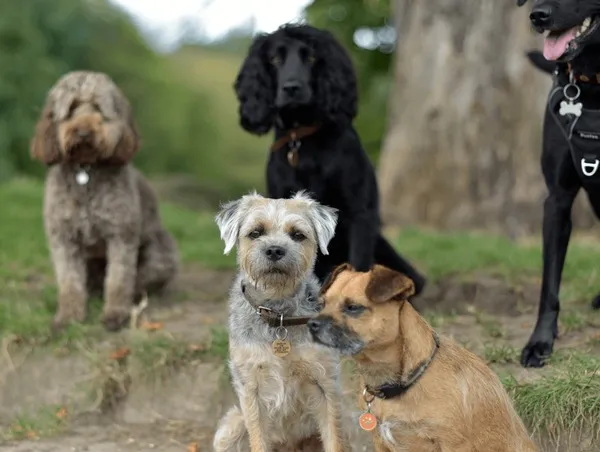
Group Training Classes for Dogs That Teach Dogs to Read Human Body Language
Dogs are always watching us. They notice how we move, where we look, and even how tense or relaxed we feel. Many behavior problems happen because dogs misunderstand human signals or owners send mixed messages without realizing it. The good news is that dogs can learn to understand people better. Group Training Classes for Dogs help dogs read human body language through real-life practice, clear routines, and guided interaction in a structured setting.
Why Human Body Language Matters in Dog Training
Dogs do not understand words the way humans do. They learn mostly through body language, tone, and patterns. If an owner says “sit” but leans forward or waves their hands, the dog may get confused. Dogs respond faster when signals are clear and consistent. Group classes teach owners how to use body language correctly and help dogs connect movement with meaning.
How Dogs Naturally Read People
Dogs are experts at observing humans. They watch your posture, hand movements, facial expressions, and walking speed. For example, a dog can tell when you are leaving the house just by the way you pick up keys or put on shoes. Dogs also notice stress, excitement, and anger in your body. Group Training Classes for Dogs use this natural skill and shape it into better obedience and calm behavior.
What Group Training Classes for Dogs Focus On
Group classes teach dogs to follow commands in real environments with distractions. Dogs train alongside other dogs and people, which helps them learn focus and patience. Trainers guide owners on how to stand, move, and communicate clearly. Dogs learn to respond to cues like hand signals, body direction, and calm posture. This builds better listening and smoother behavior in daily life.
Teaching Dogs to Follow Body Position and Direction
Dogs often respond to where the owner stands and how they move. In group classes, dogs learn that body direction matters. If an owner turns away, steps forward, or pauses, the dog learns to follow those signals. Trainers teach dogs to stay aligned with the handler and respond to movement cues. This improves leash walking, heeling, and overall control.
Using Hand Signals for Clear Communication
Many dogs learn faster with hand signals than verbal commands. Group classes teach owners how to use consistent hand movements for sit, down, stay, and recall. Dogs begin to recognize these signals even from a distance. This is helpful in noisy environments where verbal cues may not be heard. Hand signals also reduce confusion when multiple people are around.
Helping Dogs Understand Calm vs Tense Energy
Dogs react strongly to human energy. A tense body, fast movements, or nervous posture can make dogs anxious. A calm posture helps dogs feel safe. In Group Training Classes for Dogs, trainers teach owners how to stay relaxed and confident. Dogs learn to mirror calm behavior and stay steady instead of reacting emotionally.
Practicing Eye Contact and Attention Skills
Eye contact is an important part of communication. Dogs that check in with their owners are easier to guide. Group classes teach attention exercises where dogs learn to look at the handler on cue. This helps dogs stay connected even when distractions are present. Strong attention skills also improve safety during walks and public outings.
Teaching Dogs to Respond to Body Cues in Busy Settings
Busy environments can overwhelm dogs. In group training, dogs practice reading cues while other dogs, people, and noise are around. Trainers help dogs learn to focus on the handler’s body signals instead of reacting to distractions. This real-world practice builds reliable behavior. Over time, dogs respond calmly even in crowded places.
Helping Owners Avoid Mixed Signals
Many owners unknowingly confuse their dogs. They may repeat commands, move too much, or reward at the wrong time. Group classes teach owners how to give clear cues and stay consistent. Trainers correct posture, timing, and movement. This helps dogs learn faster because communication becomes clearer.
Building Better Manners Through Body Language
Dogs often jump, bark, or pull because they do not understand what the owner wants. Group training teaches dogs to read subtle signals like stepping back, standing still, or using calm posture. Dogs learn when to settle, wait, or stay close. These manners make daily life easier and reduce frustration.
Why Group Learning Helps Dogs Improve Faster
Dogs learn well by observing others. In group classes, dogs watch other dogs respond to cues and follow routines. This builds learning through repetition and social structure. Dogs also practice calm behavior around other dogs, which improves emotional control. Group Training Classes for Dogs provide structured learning that supports faster progress.
When Dogs Need More Individual Support
Some dogs struggle in group settings at first. Fearful, reactive, or easily distracted dogs may need extra help. In these cases, trainers may recommend private training for dogs to build basic focus and confidence before joining group classes. One-on-one sessions help address specific issues and prepare dogs for group learning success.
Long-Term Benefits of Body Language Training
Dogs trained to understand body language are easier to handle in daily life. They respond faster and with less confusion. Walks become smoother, greetings improve, and dogs stay calmer around distractions. Owners also become better leaders because they understand how to communicate clearly. This creates a stronger relationship and better long-term behavior.
Strengthening the Bond Between Dog and Owner
Body language training improves trust. Dogs learn to look to their owner for guidance. Owners learn how to stay calm and consistent. This teamwork strengthens the bond and makes training more enjoyable. When communication is clear, dogs feel safer and behave better.
Conclusion
Dogs communicate through movement, energy, and observation. When owners learn to use body language correctly, dogs respond faster and behave more calmly. Group Training Classes for Dogs help dogs understand human signals by practicing in real situations with guided support. This training improves focus, manners, and confidence in everyday life. For dog owners who want stronger communication and reliable behavior, Prestige Dog Training offers expert group training programs designed to help dogs read human body language and follow guidance with confidence.

Leave a Reply
Want to join the discussion?Feel free to contribute!