
Essential Gear Every Off-Road Enthusiast Should Own
Every successful off road adventure starts with smart preparation. The right gear helps drivers navigate unfamiliar terrain, solve problems quickly, and stay comfortable during long days on the trail. While skill and experience matter, having dependable equipment can transform a challenging situation into a manageable one. Whether you are planning short day trips or extended journeys, a thoughtful approach to gear makes off roading safer, smoother, and more enjoyable.
Recovery Tools That Get You Moving Again
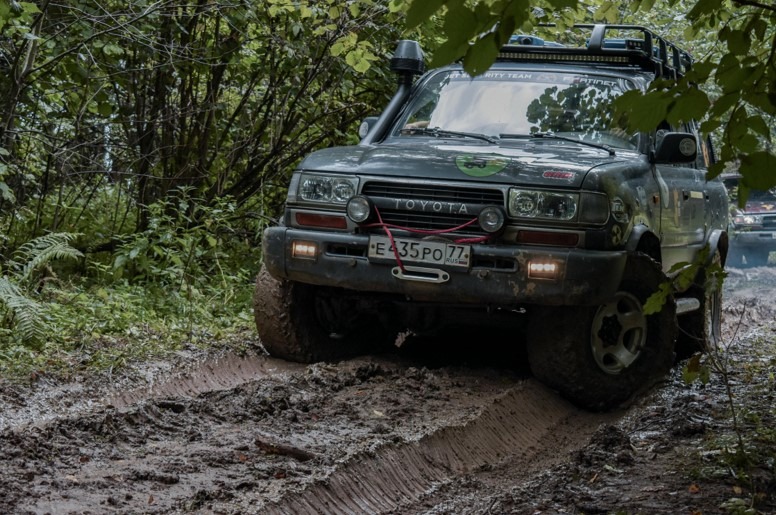
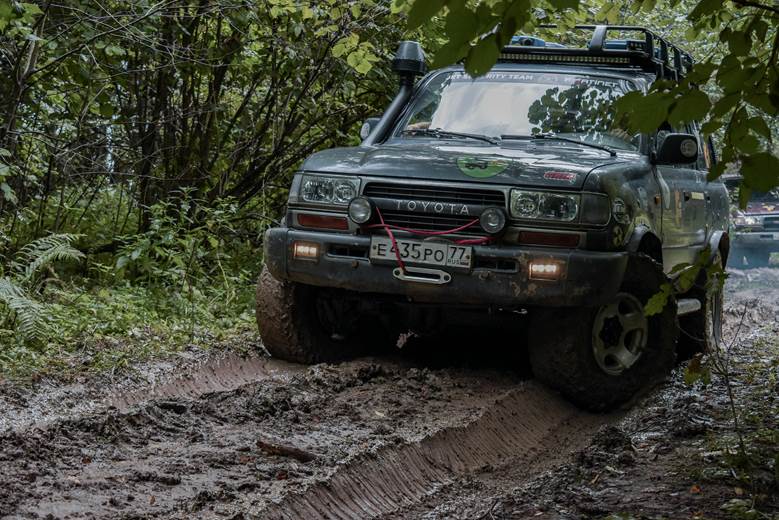
Even experienced drivers occasionally get stuck. Soft sand, deep mud, and wet leaves can reduce traction and bring progress to a halt. Essential recovery tools help you regain momentum without damaging your vehicle or the environment. A quality recovery strap paired with secure attachment points allows controlled pulls from a companion vehicle. Traction boards create a stable path under spinning tires and are especially helpful for solo travelers who need a quick self-recovery option. A compact shovel is another quiet hero that can clear packed mud from around the tires or shape a small ramp over ruts and rocks. Airing down for tricky surfaces often improves grip, so a reliable tire inflator and accurate pressure gauge are crucial for re inflating when the trail transitions back to gravel or pavement.
Tire Care and Inflation Management
Tires are the only part of your vehicle that actually touch the ground, which makes their care a top priority. Before each trip, inspect tread depth, sidewalls, and valve stems for signs of wear. On the trail, pressure becomes a tool you actively manage. Lowering pressure increases the contact patch for better traction in sand and snow. Higher pressure supports sharp rocks and heavier loads on rugged passes. A portable compressor gives you control, while a rapid deflator speeds up adjustments at the trailhead. Carrying a full-size spare tire, a jack suited for uneven ground, and the tools to remove locking lugs ensures you can address punctures without waiting for assistance.
Navigation and Communication You Can Trust
Remote areas make reliable navigation essential. Paper maps, route notes, and a dedicated GPS unit complement each other and reduce the risk of getting turned around. Digital maps should be downloaded for offline use in case service drops out. Communication equipment adds a layer of safety when groups split up, or visibility decreases. Many drivers rely on handheld or vehicle mounted radios to coordinate obstacles, announce oncoming traffic on narrow trails, and call for help if plans change. Keeping devices charged with a portable power bank helps you stay connected and informed throughout the day.
Lighting for Low Visibility and Night Travel
Light is more than convenience after sunset. It is a safety tool that helps you read terrain, spot branches, and watch water crossings with confidence. Upgraded headlights, auxiliary fog lights, and carefully aimed forward lighting improve clarity in dust or mist. Area lighting around the vehicle makes camp setup or roadside repairs easier. Inside the cabin, red or low intensity lighting preserves night vision and reduces eye strain when checking maps or instruments. Quality lights should be securely mounted, properly fused, and chosen to match your driving conditions so you can see clearly without creating glare for others.
Storage and Organization That Withstands the Trail
Keeping gear organized prevents wasted time and protects essential items from damage. Sturdy storage cases, tie down points, and interior cargo barriers keep heavy objects from shifting on uneven ground. Roof storage expands capacity when cabin space is limited, especially for bulky items like traction boards, shovels, or camping gear. Many 4×4 owners explore mounting solutions that integrate cleanly with the vehicle’s lines and maintain structural integrity. Drivers who haul longer items often find that a Toyota 4runner roof rack creates practical space for recovery boards, fuel cans, or a compact rooftop tent, while leaving the interior uncluttered and accessible.
Protection for the Vehicle’s Vital Components
Off road trails are unpredictable, which means protecting the underside of your vehicle can prevent trip ending damage. Skid plates shield the engine, transmission, and transfer case from rocks and ledges. Rock sliders protect door sills and provide a secure jacking point when changing a tire on uneven terrain. Differential covers add durability against sharp impacts. Even modest protection can pay for itself with a single avoided repair. Pairing these upgrades with careful line selection helps the suspension work efficiently while keeping critical components safe.
Comfort and Field Readiness for Long Days
Prepared drivers think about comfort as well as capability. Weather appropriate clothing, gloves, and sturdy boots reduce fatigue and keep you focused when conditions change. Hydration is non negotiable, so carry more water than you expect to need, along with salty snacks and a compact stove for hot meals in cold weather. Shade solutions, camp chairs, and a simple ground mat make rest stops restorative rather than rushed. A well stocked first aid kit, emergency blanket, and basic medications support wellness when the nearest town is far away. These small comforts build resilience, helping you stay sharp during tough sections of trail.
Tools and Spares That Solve Problems Fast
Unexpected issues are easier to manage when you have the right tools. A compact toolkit with metric sockets, wrenches, pliers, and a torque wrench covers most roadside tasks. Electrical supplies such as fuses, wire, and connectors help diagnose lighting or accessory problems. Fluids for the engine, coolant system, and power steering can keep you moving if a small leak appears. Spare hardware, hose clamps, and zip ties handle quick fixes. Organizing these items in labeled cases saves time and keeps troubleshooting efficient.
Planning and Mindset That Prioritize Safety
Gear works best when paired with thoughtful planning. Research trail conditions, seasonal weather, and local regulations before you go. File a simple trip plan with a friend, including expected routes and return times. Drive within your skill level and do not be afraid to turn around when conditions exceed your comfort zone. Practice using your gear at home so you know exactly where everything is and how it works. A calm, deliberate approach sets the tone for a safe and satisfying day.
Conclusion
Off road adventures reward preparation. The essentials begin with recovery tools, tire management, navigation, communication, and lighting. Durable storage and vehicle protection add confidence when trails become technical. Comfort items, a capable toolkit, and a safety first mindset complete the kit that every enthusiast should own. With the right gear and thoughtful planning, each trip becomes an opportunity to learn, explore, and return home with memorable stories from the trail.

Leave a Reply
Want to join the discussion?Feel free to contribute!