
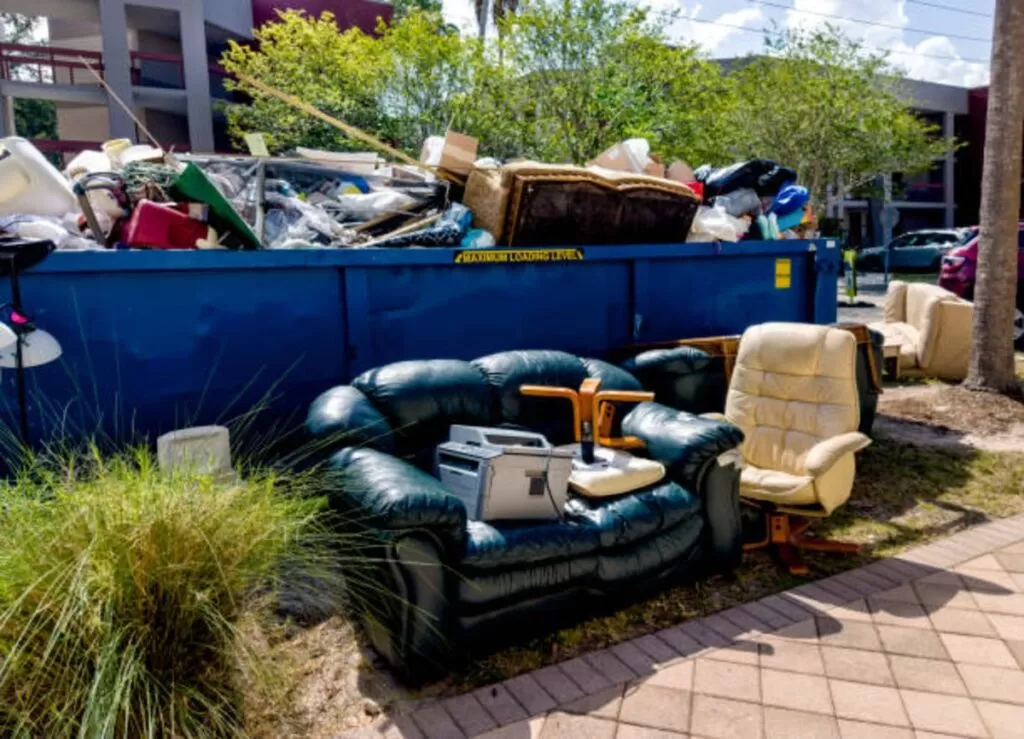
Commercial Junk Removal Service for Work Space Clear Out
Work spaces slowly collect unused items broken units and stored waste. Staff adapt and walk around issues rather than fixing them. Over time movement slows safety risks grow and focus drops. From field work this pattern appears in offices shops and mixed sites. Clear space restores order and helps teams work with calm and purpose again.
From daily site visits Commercial Junk Removal Services sit at the centre of safe work flow and order. This work supports access safety and clear use of rooms. It requires planning respect for business hours and steady progress. Clients often feel relief once the process begins and space starts to open.
Understanding the Core Process
Daily Service Workflow
Each day starts with access checks and timing review. We confirm entry points load paths and exit zones. Work begins only in agreed areas. This keeps staff movement safe and limits disruption. Tasks follow a set order that prevents overlap and delay.
During office junk pick up items leave in stages. We avoid piling near doors or desks. Clear paths remain open throughout the task. This approach keeps normal work moving while clearance continues.
Why Minor Issues Go Unnoticed
Small storage issues rarely feel urgent. A corner fill or blocked cupboard becomes normal. Staff adjust routines and stop noticing limits. Over months these areas expand and affect safety and use.
Routine review highlights these issues early. During site checks we note repeated block points. Addressing them prevents larger clearance needs later and supports stable work space use.
Accuracy Checks and Quality Control
Common Operational Errors
Errors often start with poor timing plans. Arrival during peak hours slows progress. Unclear zones cause items to move twice. These mistakes cost time and effort on site.
Another issue involves missed waste types. Without clear sorting rules items mix and slow removal. Careful planning prevents these delays.
Importance of Records and Proof
Clear records guide each stage. Notes confirm what leaves and what stays. Visual proof supports memory for both teams and managers.
This practice reduces disputes and repeat work. It also supports smooth business waste removal across larger projects.
Where Operational Losses Actually Occur
Hidden Time and Cost Losses
Loss often hides in waiting time. Teams pause for access approval or space clearance. These pauses add cost and extend schedules.
Extra handling also adds loss. When zones are unclear items move more than needed. Planning reduces this waste of effort.
Example Scenarios
In one site entry rules changed mid task and staff waited. In another waste zones were unclear so items returned inside. A third site missed early checks which caused later delays.
These issues repeat when roles lack clarity. Small gaps grow into large losses over time.
Steps to Review Workflow Effectiveness
Intake and Coordination Review
Booking begins with clear questions. We confirm space type access times and volume. Internal teams align tools staff and transport.
This preparation supports smooth work site debris haul without pauses or confusion. Good intake shapes success before arrival.
Completion Verification and Follow Up
After work ends we walk the site. We confirm access paths room use and safety points. Managers review results before sign off.
Follow up confirms stability. This step ensures cleared areas remain usable and orderly.
Ongoing Operational Support Practices
Internal Reviews and Spot Checks
Teams review methods after projects. We discuss delays and adjustments. Spot checks catch issues early.
This practice supports retail clean up help where timing and presentation matter daily.
Staff Process Updates
Processes evolve through experience. Staff attend update sessions to align methods. This keeps work consistent and safe.Training focuses on pace safety and respect for active sites.
Read More; How Can Office Cleanouts Help You Maximize Floor Space
Compliance and Standards Overview
Purpose of Industry Standards
Standards protect people and property. They guide lifting access and waste handling. They reflect real risks seen on sites.
Following standards supports calm work and safe outcomes for all involved.
Consequences of Non Compliance
Ignoring standards leads to injury damage and delay. Sites may halt work and review actions.
Recovery costs more than prevention. Compliance keeps projects steady and safe.
Conclusion
Clear work spaces support safe daily flow and focus. Experience shows that planning checks and follow up protect results. With Commercial Junk Removal Services handled with care order remains and work continues without strain.
FAQs
How long does a commercial clearance take
Time depends on space size and access limits. Most projects complete within planned hours after review.
Can work continue during clearance
Yes tasks run alongside normal work when zones are set clearly.
Are records provided after completion
Yes records support proof and future planning needs.
Is staff presence required during work
A contact person helps confirm access and decisions during tasks.
How often should reviews occur
Routine reviews help prevent build up and maintain order.

Leave a Reply
Want to join the discussion?Feel free to contribute!