
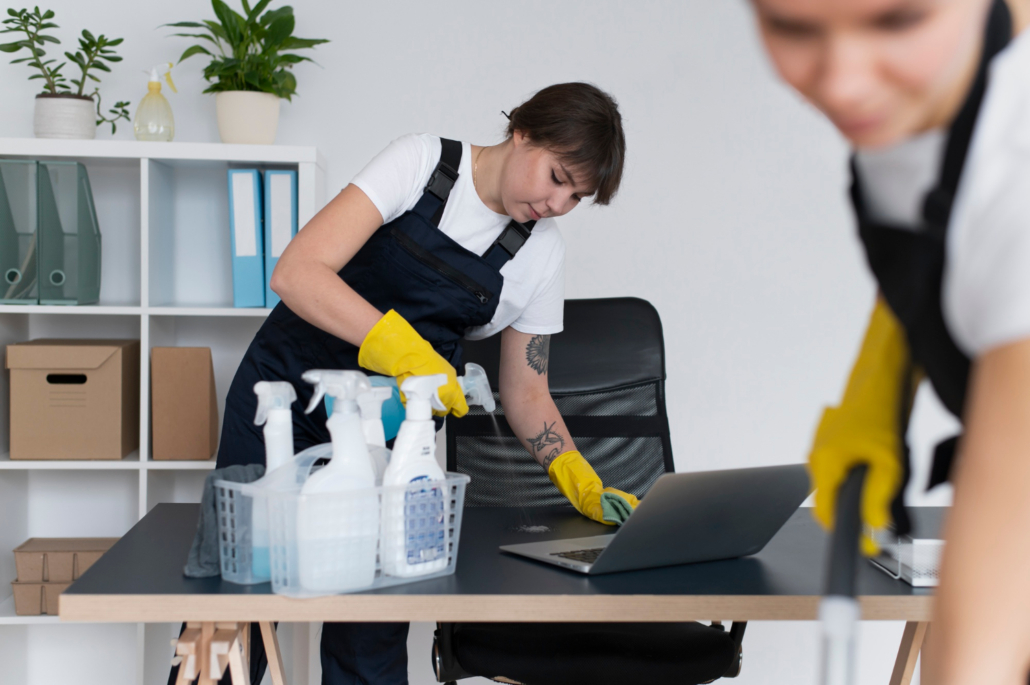
Commercial Cleaning Services and Their Impact on Employee Productivity
Employee productivity is influenced by many factors, including leadership, technology, and workplace culture. However, the physical environment where employees work each day is often overlooked. Cleanliness plays a quiet but powerful role in shaping how people feel, focus, and perform during working hours. When workspaces are neglected, productivity can decline without obvious warning signs.
Employees spend a large portion of their day inside offices, facilities, or commercial buildings. Dusty surfaces, cluttered work areas, and poorly maintained shared spaces create subtle distractions that affect concentration and motivation. Over time, these conditions contribute to fatigue, frustration, and reduced efficiency. This connection between cleanliness and performance is frequently emphasized by Maid 2 Clean San Diego when discussing workplace support strategies.
Commercial Cleaning Services help create environments that support focus, energy, and consistent performance. Understanding how professional cleaning influences productivity allows businesses to make informed decisions that benefit both employees and long-term operations.
How Clean Workspaces Support Focus
Visual clutter competes for attention. When desks, floors, and common areas are clean, employees experience fewer distractions.
Clear surroundings help workers stay focused on tasks rather than being pulled away by their environment.
The Relationship Between Cleanliness and Mental Energy
Mental energy is finite. Messy environments require constant background processing.
Clean spaces reduce cognitive load, allowing employees to direct energy toward meaningful work.
Reducing Time Lost to Disorganization
Disorganized workspaces slow productivity. Employees spend time searching for supplies or navigating clutter.
Consistent cleaning supports organization and saves valuable working time.
Improving Indoor Air Quality at Work
Poor air quality leads to fatigue and discomfort. Dust and allergens circulating indoors affect breathing and alertness.
Professional cleaning reduces airborne particles, supporting clearer thinking and sustained energy.
Supporting Better Health and Attendance
Illness directly impacts productivity. Unclean workplaces contribute to the spread of germs.
Commercial Cleaning Services reduce bacteria in shared spaces, supporting healthier teams and fewer sick days.
Enhancing Comfort in Shared Areas
Break rooms, meeting rooms, and restrooms affect daily morale. Poorly maintained areas reduce comfort and satisfaction.
Clean shared spaces encourage proper use and support positive workplace experiences.
How Cleanliness Impacts Workplace Morale
Employees interpret cleanliness as a sign of care. Well-maintained spaces communicate respect and professionalism.
Higher morale often leads to stronger engagement and motivation.
Reducing Stress Through Orderly Environments
Cluttered spaces increase stress levels. Stress reduces focus and decision-making ability.
Clean environments promote calm and mental clarity.
Supporting Consistent Work Rhythms
Predictable environments help employees settle into productive rhythms.
Regular cleaning prevents sudden disruptions caused by mess or odors.
The Impact of Clean Floors and Surfaces
Dirty floors and surfaces distract and create safety concerns.
Clean, well-maintained areas allow employees to move confidently and stay task-oriented.
Improving Meeting Effectiveness
Meetings held in clean spaces feel more professional and focused.
Participants are more engaged when the environment supports attention.
Supporting Remote and Hybrid Workspaces
Hybrid workplaces require flexible, shared spaces. Cleanliness helps these transitions run smoothly.
Clean workstations encourage efficient turnover and use.
Reducing Background Noise and Distraction
Clutter can amplify noise and visual chaos.
Clean spaces feel quieter and more controlled, supporting concentration.
Encouraging Professional Behavior
Employees often mirror their environment. Clean spaces encourage respectful, professional behavior.
This alignment supports productive workplace culture.
Protecting Equipment and Work Tools
Dust and grime affect equipment performance. Malfunctioning tools slow productivity.
Regular cleaning protects assets and minimizes downtime.
Supporting Creative Thinking
Creative work benefits from uncluttered environments.
Clean spaces allow ideas to flow without visual interference.
Enhancing First Impressions for Clients
Clients notice cleanliness immediately. Clean offices support confidence and trust.
Positive impressions support smoother business interactions.
Improving Workflow Efficiency
Clean layouts improve movement and accessibility.
Employees navigate spaces efficiently without obstacles.
Reducing Fatigue During Long Workdays
Messy environments drain energy over time.
Clean spaces help employees stay energized longer.
Supporting Employee Pride in the Workplace
Employees take pride in well-maintained environments.
Pride increases accountability and engagement.
Encouraging Use of Shared Resources
Clean common areas are used more effectively.
Employees feel comfortable collaborating and sharing space.
Preventing Productivity Loss From Maintenance Issues
Grime accelerates wear and creates distractions.
Professional cleaning prevents minor issues from escalating.
Aligning Cleanliness With Brand Image
Workplace appearance reflects brand values.
Clean environments reinforce professionalism internally and externally.
Supporting Safer Work Habits
Clean spaces reduce hazards that interrupt work.
Fewer incidents mean fewer productivity losses.
Creating Predictable Work Conditions
Consistency supports focus. Cleanliness creates predictable conditions.
Employees work more efficiently when expectations are clear.
Reducing Visual Fatigue
Visual clutter strains the eyes and mind.
Clean surfaces reduce fatigue and improve comfort.
Supporting Long-Term Employee Retention
Comfortable environments influence retention.
Employees are more likely to stay in supportive workplaces.
Enhancing Break Quality
Clean break areas improve recovery during rest periods.
Better breaks support better performance.
Adapting Cleaning to Business Needs
Different industries have different productivity challenges.
Commercial Cleaning Services adapt to these environments.
Professional Reliability and Consistency
Productivity depends on consistency.
Maid 2 Clean San Diego emphasizes dependable service to maintain supportive work environments.
Integrating Cleaning Into Productivity Strategies
Cleaning should be viewed as part of productivity planning.
It supports other performance initiatives.
Reducing Mental Clutter Through Physical Order
Physical order influences mental clarity.
Clean spaces support sharper thinking.
Creating a Culture of Care
Cleanliness reflects organizational values.
Employees respond positively to care-focused environments.
Supporting Growth and Scaling
As businesses grow, cleanliness becomes more complex.
Professional support ensures standards are maintained.
Long-Term Productivity Gains
Consistent cleaning delivers ongoing benefits.
Productivity improvements compound over time.
Why Cleanliness Is a Strategic Investment
Cleaning supports health, focus, and morale.
It is a proactive productivity tool.
Conclusion
Employee productivity is shaped by more than schedules and systems. The physical work environment plays a critical role in supporting focus, energy, and morale. Dirty or cluttered spaces quietly drain productivity by increasing distractions, stress, and health risks.
Commercial Cleaning Services provide a foundation for productive workplaces by maintaining clean, organized, and healthy environments. With reliable support from Maid 2 Clean San Diego, businesses can enhance employee focus, reduce downtime, and create spaces that consistently support high performance and long-term success.


Leave a Reply
Want to join the discussion?Feel free to contribute!