
The Role of Next-Generation Sequencing in Shaping the Future of Cancer Diagnosis

Next-generation sequencing (NGS) has become a pivotal technology in cancer diagnostics, offering exceptional sensitivity, throughput, and cost efficiency. By enabling comprehensive genomic analysis, NGS has transformed how cancer is understood and detected. Advanced platforms now integrate technologies such as Whole Exome Sequencing (WES) and Circle-Seq-based eccDNA identification, providing researchers with powerful tools to unravel the complexity of cancer.

Whole Exome Sequencing (WES) focuses on analyzing all protein-coding regions of the genome, which represent about 1% of the genome but harbor the majority of disease-causing mutations. This technique allows for the detection of single nucleotide variants (SNVs), insertions/deletions (indels), and copy number variations (CNVs), offering an in-depth view of the genetic alterations driving cancer. With bioinformatic analysis, WES translates raw sequencing data into actionable insights, uncovering mutations associated with tumor initiation, progression, and therapy resistance.

Complementing WES, Circle-Seq-based eccDNA (extrachromosomal circular DNA) identification provides a novel dimension to cancer research. EccDNAs, circular DNA molecules that exist outside chromosomes, are frequently abundant in cancer cells and are implicated in tumor evolution, drug resistance, and genomic plasticity. Circle-Seq is a highly sensitive technique designed to detect and characterize eccDNAs, offering insights into their roles and potential as diagnostic or therapeutic biomarkers. By integrating WES with Circle-Seq, a comprehensive view of the cancer genome can be achieved, capturing both point mutations and structural variations.

The integration of these advanced techniques into NGS workflows enhances both the breadth and depth of cancer genomic analysis. High-throughput sequencing ensures robust data generation, while streamlined processes enable efficient analysis of rare mutations and structural variations. These technologies not only support precision oncology but also facilitate the development of personalized treatments and diagnostic tools.

With the synergy of WES and Circle-Seq, NGS-based approaches are reshaping the landscape of cancer diagnostics, enabling researchers to delve deeper into the genomic intricacies of cancer and offering new possibilities for early detection, therapeutic innovation, and improved patient outcomes.

Join Our Webinar: Discover the Future of 3D Tumor Modeling with Tumoroid-on-a-Chip Technology

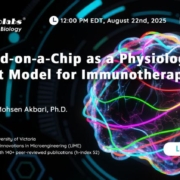
Don’t Miss Out: August 22, 12 PM EDT!

Mark your calendar now—August 22, 2025 at 12 PM EDT—for an exclusive live webinar hosted by Creative Biolabs, spotlighting the revolutionary tumoroid-on-a-chip technology for cancer immunotherapy research.

This highly anticipated session, titled “Tumoroid-on-a-Chip as a Physiologically Relevant Model for Immunotherapy,” will be led by Dr. Mohsen Akbari, a leading innovator in microfluidics and tumor microenvironment modeling. If you’re engaged in oncology, immunotherapy, or drug discovery, this is a webinar you can’t afford to miss.

�� When?

Live Broadcast: August 22, 2025 | 12:00 PM EDT (Eastern Daylight Time)

Set a reminder and reserve your seat—space is limited!

�� What to Expect:

As cancer researchers continue to face challenges in treating solid tumors like glioblastoma, tumoroid-on-a-chip platforms offer new hope. Dr. Akbari’s team has engineered a microfluidic system that replicates the tumor’s native environment—bridging the gap between 2D cell cultures and in vivo models.

Key highlights include:

Development of high-throughput tumoroid-on-plate systems

Integration of cellular heterogeneity and ECM structure

Realistic immunotherapy screening conditions

Use cases in drug development and translational oncology

This innovative platform mimics human tumor physiology more accurately than traditional methods, making it a valuable tool for testing novel therapies and improving clinical translation.

✅ Why Attend?

Attending this live event gives you direct access to expert insights, practical applications, and emerging trends in 3D tumor modeling. You’ll gain a firsthand look at how Creative Biolabs is driving the future of immunotherapy research with advanced microengineering technologies.

�� Register now to join the webinar and stay ahead in the fight against cancer.

#TumoroidOnAChip #Webinar2025 #CancerResearch #Immunotherapy #CreativeBiolabs #3DTumorModel #DrugDiscovery

doctor cheking

Housing First, Sobriety Second? Rethinking Maslow in Recovery Services

Introduction: The Traditional Paradigm in Recovery Services

For decades, addiction recovery services have hinged on a seemingly intuitive premise: sobriety must come first, with stable housing as a secondary goal attained only after sustained abstinence. This traditional paradigm draws heavily from Maslow’s Hierarchy of Needs, which posits that basic physiological and safety needs must be satisfied before individuals can pursue higher-order objectives such as self-actualization—in this context, sobriety and personal transformation. Yet, this rigid interpretation has engendered controversy and debate, especially as newer models like Housing First challenge the dogma by prioritizing shelter over sobriety.

The dichotomy between securing housing first versus insisting on sobriety before housing access poses profound questions about the sequencing and interplay of human needs in recovery. Is sobriety truly the foundation upon which stable housing depends, or can the provision of a safe, stable environment catalyze and sustain sobriety in a more organic, humane manner? Understanding this tension is vital to reimagining effective recovery services.

Understanding the Housing First Model

Housing First emerged in the late 20th century as a revolutionary approach to homelessness and addiction recovery. Unlike conventional programs that predicate housing eligibility on sobriety or treatment compliance, Housing First posits that permanent housing is a fundamental right and should be provided unconditionally. This model emphasizes immediate access to safe shelter, coupled with voluntary, wraparound support services.

The core principle of Housing First is harm reduction rather than abstinence enforcement. By securing stable housing first, individuals experiencing homelessness and addiction can rebuild a foundation from which other recovery goals become attainable. Numerous studies have demonstrated impressive outcomes in reducing homelessness, decreasing hospitalizations, and improving quality of life for participants, challenging the notion that sobriety must precede housing.

Effective Strategies to Improve Attention and Behavior

Many people seek clarity on what are CBT exercises for ADHD and how they can aid in managing symptoms. These exercises focus on helping individuals recognize and change unhelpful thought patterns that interfere with concentration and impulse control. Techniques often include developing organizational skills, practicing mindfulness, and using self-monitoring tools to track behavior and emotions.

By breaking down tasks into manageable steps and employing positive self-talk, these exercises improve focus and reduce frustration. Over time, such cognitive-behavioral strategies build resilience, allowing individuals with ADHD to navigate challenges more effectively and enhance their daily functioning.

Maslow’s Hierarchy of Needs Revisited

Maslow’s hierarchy is often depicted as a strict pyramid, with physiological and safety needs at the base, followed by social belonging, esteem, and self-actualization at the apex. Addiction services have typically interpreted sobriety as part of this upper stratum, achievable only after shelter and safety are secured. However, this hierarchical rigidity may oversimplify the complex, often nonlinear nature of human needs, especially in vulnerable populations.

Critics argue that Maslow’s model should be viewed more fluidly—needs are not necessarily sequential but can be pursued concurrently or in differing orders depending on individual circumstances. The interplay between housing and sobriety exemplifies this complexity.

Sobriety as a Secondary or Concurrent Goal?

Within Housing First frameworks, sobriety is typically positioned as a secondary, optional goal rather than a precondition. This inversion reflects a paradigm shift: sobriety emerges as a potential consequence of achieving housing stability, rather than a prerequisite. This approach acknowledges the psychological and physiological chaos inherent in addiction and homelessness.

Stable housing mitigates stressors such as exposure to violence, extreme weather, and precarious survival tactics—factors that exacerbate addiction cycles. By removing these external stressors, individuals gain the cognitive bandwidth and emotional regulation capacity essential for recovery. Case studies reveal that many individuals achieve and sustain sobriety only after experiencing the security and dignity that stable housing affords.

The Intersection of Neuroscience and Recovery Needs

Addiction profoundly alters brain architecture, particularly regions governing impulse control, reward processing, and decision-making. Chronic stress from homelessness and instability compounds these neurobiological impairments, making recovery even more elusive. Neuroscientific research elucidates how secure housing environments reduce toxic stress and facilitate neuroplasticity—the brain’s ability to heal and rewire.

By integrating these insights, recovery models can better appreciate the primacy of environmental stability in cognitive restoration.

Creative Methods to Foster Healing Together

Group environments create a unique space for mutual support and shared growth. Within these settings, carefully designed interventions can empower individuals to confront and overcome challenges. One impactful method involves cbt group activities for substance abuse, which center on recognizing and restructuring harmful thought patterns that fuel addiction.

These activities include role-playing, cognitive restructuring exercises, and relapse prevention strategies, helping participants develop practical skills to manage cravings and stress. By practicing these techniques in a communal setting, members build accountability and resilience, making recovery a collaborative journey grounded in empathy and evidence-based practice.

Policy Implications and Future Directions in Recovery Services

Despite robust evidence, Housing First remains controversial in policy circles, often confronting stigma, ideological resistance, and funding challenges. Reorienting policy to embrace Housing First principles requires dismantling entrenched abstinence-centric frameworks and fostering interdisciplinary collaboration among healthcare providers, social workers, neuroscientists, and policymakers.

Future recovery services must adopt flexible, person-centered models that recognize the bidirectional relationship between housing and sobriety. Expanding affordable housing stock, integrating harm reduction with comprehensive support, and tailoring interventions to individual neuropsychological profiles are crucial steps toward equitable, effective recovery ecosystems.

Conclusion: Toward a Holistic, Person-Centered Recovery Model

The debate over whether housing or sobriety should come first is more than academic—it reflects a fundamental reevaluation of how society conceptualizes human needs and recovery. Rethinking Maslow’s hierarchy in the context of addiction reveals the inadequacy of rigid, linear models in addressing the multifaceted realities faced by vulnerable populations.

A holistic, evidence-informed approach recognizes that housing and sobriety are not mutually exclusive stages but intertwined facets of recovery. Providing stable housing first, coupled with compassionate, flexible supports, can create fertile ground for lasting sobriety and self-actualization.

best cancer clinic Singapore for immunotherapy treatment

Which Is The Best Clinic In Singapore For Cancer Immunotherapy?

Immunotherapy is an efficient cancer treatment method which utilizes the capabilities of our immune system to eradicate different cancers. This treatment approach can be categorized into different types. These include T-cell transfer therapy, immune system modulators, monoclonal antibodies, and others. Cancer immunotherapy Singapore provides our immune system the capacity to identify and destroy the cancer cells. Sometimes immunotherapy involves the use of certain specific components which boost the immune response. Immunotherapy can also boost the cells of the immune system directly. Many hospitals in Singapore offer effective immunotherapy treatment to patients afflicted with different cancers. One of the best cancer clinics in Singapore for immunotherapy is Novena Cancer Centre. Read on to understand more about this reputable cancer clinic. 

Why Pick Novena Cancer Centre For Immunotherapy Treatment? 

Singapore is quite popular across the globe because of its highly efficient healthcare system. When it comes to cancer treatment, Singapore has a plethora of exceptional hospitals. Among them, Novena Cancer Centre can undoubtedly be regarded as the best. Discussed below are some of the reasons why you should consider choosing Novena Cancer Centre for Cancer immunotherapy Singapore

1. Advanced Healthcare Facilities

The main reason to pick Novena Cancer Centre from the list of cancer hospitals in Singapore is that it offers advanced healthcare facilities to the patients. These facilities make it possible for the healthcare team to offer patients the most effective treatment for different types of cancers. 

2. Exceptional Medical Team

Novena Cancer Centre has an exceptional team of medical professionals who have years of valuable experience in the domain of cancer treatment. They design the best treatment plan for patients after gathering clear insights regarding their ailment and health condition. Dr. Lim Hwee Yong and Dr. Tan Min-Han are two of the most eminent cancer specialists of this cancer clinic Singapore

3. Prioritizes The Comfort Of The Patients

Novena Cancer Centre places a lot of emphasis on the comfort of the patients. They provide patients with comfortable treatment rooms that showcase amenities, such as air conditioner and television. There are multiple staff nurses that pay close attention to the patients, and cater to their specific needs and requirements. 

4. Aims To Provide Compassionate Care To The Patients

Cancer treatment can put the patients and their close ones through a lot of stress. At Novena Cancer Centre, the healthcare team aims to provide compassionate care to cancer patients. This gives them the capacity to face the diagnosis and treatments with courage. 

5. Encourages Honest And Open Communication

Another reason to choose Novena Cancer Centre for immunotherapy treatment is that the team at the hospital encourages honest and open communication. They educate the patients about their condition, as well as suitable treatment options. This enables patients to make efficient decisions. 

Conclusion

Novena Cancer Centre can certainly be regarded as the best cancer clinic Singapore for immunotherapy treatment. The healthcare team at this hospital will make sure that you are receiving the best immunotherapy treatment for your condition. For more details, visit Novena Cancer Centre’s official website.

Cenforce 200 mg A Second Chance for Romance

Cenforce 200 mg A Second Chance for Romance

In any long-term relationship, intimacy is more than just physical—it’s emotional, deeply personal, and often essential for connection. But when erectile dysfunction (ED) becomes a silent barrier, it can cause frustration, distance, and self-doubt. That’s where Cenforce 200 mg comes in—a powerful tool in reclaiming not just performance, but closeness, confidence, and romance.

What Is Cenforce 200 mg?

Cenforce 200 mg is a high-strength medication used to treat ED in men. It contains Sildenafil Citrate, the same active ingredient found in Viagra, but in a stronger 200 mg dose. This medication works by increasing blood flow to the penis, allowing for a firm and lasting erection when sexually stimulated.

It’s particularly beneficial for men who have tried lower doses (like Cenforce 50 or Cenforce 100) with little success. Cenforce 200 mg offers a potent solution when stronger support is needed.

How Cenforce 200 mg Helps Save Relationships

ED doesn’t just affect sex—it can impact communication, trust, and overall emotional connection. Many men suffer silently, leading to a breakdown in confidence and strain on relationships. Cenforce 200 mg gives couples a chance to rebuild what ED may have taken away.

With improved performance and stamina, many users report:

  • Renewed confidence

  • Increased intimacy

  • Improved mood and self-esteem

  • A stronger emotional bond with their partner

In short, Cenforce 200 mg can act as a second chance for romance—especially for couples who’ve felt intimacy slipping away.

Dosages and Other Variants of Cenforce

Cenforce isn’t a one-size-fits-all solution. It comes in various dosages and combinations to match different needs and health profiles. Here’s a breakdown:

Cenforce Variants:

  • Cenforce 25 mg – Ideal for beginners or those with mild ED

  • Cenforce 50 mg – A step up in strength with reliable results

  • Cenforce 100 mg – One of the most commonly prescribed doses

  • Cenforce 150 mg – Stronger effects for more persistent ED

  • Cenforce 200 mg – Extra strength for more severe ED cases

 Cenforce Combinations:

  • Cenforce D (Sildenafil 100 mg + Dapoxetine 60 mg) – Designed for men dealing with both ED and premature ejaculation. It helps you get and maintain an erection while also delaying climax.

  • Cenforce Professional – A sublingual tablet that dissolves under the tongue for faster onset.

  • Cenforce Soft – A chewable version for men who prefer a more convenient option.

Each variant is designed with specific needs in mind. Always consult a healthcare provider to find the right dosage or formulation for you.

How to Use Cenforce 200 mg

  • Take one tablet 30 to 60 minutes before sexual activity.

  • Swallow with water; avoid heavy meals or alcohol before use for best results.

  • Do not take more than one tablet in 24 hours.

The effects usually last 4 to 6 hours, though some users report benefits up to 8 hours. Keep in mind, sexual stimulation is still necessary for it to work.

Is Cenforce 200 mg Safe?

For most healthy men, Cenforce is generally well-tolerated. Side effects may include:

  • Mild headaches

  • Flushing

  • Nasal congestion

  • Dizziness

Avoid Cenforce if you take nitrate medications or have severe heart or liver conditions. Always speak to a doctor before starting any ED medication.

Final Thoughts

Erectile dysfunction can be a quiet strain in a relationship—but it doesn’t have to stay that way. offers more than physical performance—it brings hope, relief, and a renewed sense of connection.

Whether you’re looking to restore lost confidence, deepen your intimacy, or simply experience sex the way it used to be, Cenforce may be your second chance for romance.

lung cancer Singapore

5 Benefits Of Selecting Singapore For Cancer Treatment

Singapore is undoubtedly one of the most popular destinations when it comes to cancer treatment. Countless cancer patients visit this country every year to get themselves treated. There are many well-known hospitals in Singapore that deliver highly effective treatment for various types of cancers, such as colon cancer, lung cancer Singapore, neuroendocrine cancer, and more. One of the most popular cancer hospitals among them is the Novena Cancer Centre where you will be able to find some of the leading cancer specialists of Singapore. Keep on reading to discover the main benefits of choosing the country Singapore for cancer treatment. 

Why Choose Singapore For Cancer Treatment? 

If you are experiencing colon cancer symptoms, or signs and symptoms of other types of cancers, selecting the best medical care is very important. Singapore is considered as the best country for cancer treatment. Discussed below are some of the notable benefits of selecting this country for the treatment of cancer. 

1. Majority Of Hospitals Have International Accreditations

International accreditations can undoubtedly be regarded as a clear indicator of the quality of medical care delivered by a given hospital. In Singapore, most hospitals possess international accreditations. Apart from that, all the hospitals, and other healthcare facilities are monitored by the Singapore Accreditation Council. So, patients will not have to worry about the quality of medical service that they will be receiving in these hospitals. 

2. Affordable Pricing Structure

Cancer treatment can be quite expensive in some countries, and this can make it extremely difficult for the patients to access the necessary medical care. A notable benefit of visiting Singapore for cancer treatment is that the country offers affordable medical care to cancer patients. Whether the patient is experiencing colon cancer symptoms, or symptoms of other cancers, hospitals in Singapore will offer highly effective treatment at affordable charges. 

3. Highly Efficient Medical Professionals

Hospitals in Singapore possess highly efficient medical professionals who are well-qualified in their respective domains. They have years of experience in the area of cancer care, and will devise the most effective treatment strategies for the patients suffering from different types of cancers. 

4. Excellent Medical Tools And Equipment

Another prominent benefit of selecting Singapore for cancer treatment is that the medical device industry of this country is well-developed. As a result, hospitals in Singapore possess exceptional medical tools, as well as equipment that enhance the effectiveness of cancer treatment to an immense extent. 

5. Compassionate Care 

Hospitals in Singapore aim to offer compassionate care to the patients affected by different types of cancers. This offers them the much needed strength and courage to go through the treatment sessions confidently. 

Conclusion

We have discussed in detail the prominent benefits of choosing the country Singapore for cancer treatment. Hospitals in Singapore possess the efficiency to treat and manage different types of cancers, like lung cancer Singapore, colon cancer, breast cancer, and more. Novena Cancer Centre is one of the most reputable cancer hospitals in the Singapore area that you can consider for cancer treatment.

Cenforce 100 mg Bridging Wellness and Relationship Support

Cenforce 100 mg: Bridging Wellness and Relationship Support

In today’s fast-paced world, wellness is no longer just about physical health—it’s about emotional and relational well-being too. For many men, challenges with intimacy and performance can impact self-esteem, relationships, and quality of life. Cenforce 100 mg has emerged as a trusted option for men looking to regain control over their health and rebuild confidence in their personal relationships.

What is Cenforce 100 mg?

Cenforce 100 mg is a widely used medication designed to support men experiencing performance-related difficulties. Its active ingredient is Sildenafil Citrate, a clinically approved compound that enhances blood flow, supporting physical readiness when it matters most. Though originally known for its use in managing certain circulatory issues, Sildenafil has become one of the most recognized and effective ingredients in modern men’s wellness.

What Are Its Dosage Options?

Cenforce is a well-known brand used to manage male performance issues related to blood flow. Its key ingredient, Sildenafil Citrate, is also found in the more widely known brand-name product. Cenforce comes in multiple strengths, catering to different needs and levels of experience:

  • Cenforce 25 mg – Ideal for beginners or those with mild concerns.

  • Cenforce 50 mg – A common starting point for moderate support.

  • Cenforce 150 mg – The most popular strength, offering balanced effectiveness.

  • Cenforce 100 mg – For those needing slightly stronger effects.

  • Cenforce 120 mg – A high-strength option for more persistent challenges.

  • Cenforce 200 mg – Maximum strength for more severe cases or resistance to lower doses.

With this wide range, men can choose the option that best fits their needs—with the guidance of a healthcare professional.

How It Supports Wellness

Wellness is about feeling strong, confident, and balanced in your day-to-day life. For men, confidence in intimate moments can have a ripple effect across work, family, and personal goals. Cenforce 100 mg helps remove performance anxiety by giving the reassurance that your body is ready to respond when needed. This peace of mind often leads to better sleep, reduced stress, and improved communication in relationships.

Relationship Benefits of Cenforce 100 mg

A supportive and intimate connection is at the heart of many strong relationships. When physical limitations become a hurdle, it can create frustration or distance between partners. Cenforce 100 mg offers a way to bridge that gap—helping restore closeness and shared joy. By supporting better physical connection, it often leads to improved emotional bonding as well.

Couples who feel confident in their shared intimacy report greater satisfaction and stronger communication. Cenforce 100 mg can play a key role in building this kind of trust and connection over time.

Who Is It For?

Cenforce 100 mg is commonly chosen by men seeking a reliable solution for occasional or ongoing performance challenges. It is suitable for adult men who have discussed their health with a healthcare provider and are looking for something that fits naturally into their routine.

It’s also a discreet and accessible option available through trusted platforms like Meds4go, where users can explore treatments at their own pace with privacy and support.

Final Thoughts

Cenforce 100 mg is not just a health product—it’s a confidence tool. In a world where physical health and emotional relationships are deeply connected, taking care of one supports the other. For men looking to renew their energy, confidence, and connection, Cenforce 100 mg offers a practical and effective path forward.

Whether you’re working to rebuild your wellness, or seeking to strengthen your relationship, Cenforce 100 mg helps bring balance back to your life—one step at a time.

Call Girls Service

Book Now Hot and Independent Call Girls Service

Raipur Call Girls are the ideal choice if you’re looking for a combination of elegance, affordability, and reliable company. Situated in the center of Raipur, this bustling neighborhood serves a diverse range of individuals, including residents, businesspeople, and tourists. Raipur has emerged as a major hub for expert escort services due to its fast-paced lifestyle and rising need for great company.

Our vetted Escorts in Raipur are prepared to exceed your expectations — at prices that won’t break the bank — whether you’re searching for a romantic companion for the evening, someone to go with you to a private event, or a laid-back evening. In addition to its busy train station and handy location, Raipur is renowned for providing some of the best escort services in the city. Selecting a genuine Raipur escort is a decision.

Book Verified Raipur Call Girls at Affordable Rates.

The Raipur Call Girl are very sophisticated and capable of upholding your expectations without any difficulties. Through their words and actions, they are able to win over guys. The fourth characteristic that distinguishes the local girls from others is their cleanliness. The escorts are informed by the service provider. To have fun, you don’t have to feel as though you’ve entered a place. They will take every precaution to keep you secure.

Guwahati Call Girls || Hyderabad Call Girls || Indore Call Girls || Jaipur Call Girls || Jalandhar Call Girls || Jammu Call Girls || Jamshedpur Call Girls || Jodhpur Call Girls || Kochi Call Girls || Kolkata Call Girls || Lucknow Call Girls || Ludhiana Call Girls || Mahipalpur Call Girls || Manali Call Girls || Mohali Call Girls || Mount Abu Call Girls || Mumbai Call Girls || Nagpur Call Girls || Noida Call Girls || Pune Call Girls || Pushkar Call Girls || Ranchi Call Girls || Rishikesh Call Girls || Surat Call Girls || Udaipur Call Girls || Vadodara Call Girls || Varanasi Call Girls || Zirakpur Call Girls || Agra Call Girls || Ahmedabad Call Girls || Ajmer Call Girls || Allahabad Call Girls || Amritsar Call Girls || Andheri Call Girls || Bangalore Call Girls || Bhopal Call Girls || Bhubaneswar Call Girls || Chandigarh Call Girls || Chennai Call Girls || Daman Call Girls || Dehradun Call Girls || Delhi Call Girls || Dwarka Call Girls || Faridabad Call Girls || Ghaziabad Call Girls || Goa Call Girls || Gurgaon Call Girls.

top oncologist Singapore

Health & Wellness

Why Is It Crucial To Find A Top Cancer Specialist In Singapore?

We have enumerated the different reasons why it is important to find a top oncologist Singapore for cancer treatment.

When it comes to cancer, there exists a tremendous amount of fear and uncertainty among most individuals. However, it is very important to realize that our medical system is quite advanced, and if diagnosed during the early stages, this ailment can be cured completely. If you or your close ones are experiencing any cancer-related symptoms, it is very important to get in contact with a top Singapore cancer specialist. Choosing the right treatment provider is very important as it will exert a strong impact on the overall success of the treatment. There are multiple healthcare facilities in Singapore that have an excellent medical team. One of the reputable clinics among them is the Novena Cancer Centre. Read on to determine why it is important to find a top cancer specialist in Singapore. 

Here’s Why It’s Important To Find A Top Oncologist in Singapore

Finding the best Singapore cancer specialist is indeed very important. When selecting a healthcare professional for cancer treatment, adequate importance must be placed on different factors, such as experience, expertise, patient reviews, and more. Keep reading to find out why it’s crucial to select the right doctor for cancer treatment. 

a. Eliminates The Chances Of Misdiagnosis: Getting misdiagnosed can lead to significant delays in the administration of the right treatment. This can aggravate the ailment further and diminish the possibility of a successful recovery. However, picking a top oncologist Singapore will facilitate quick and accurate diagnosis.

b. Better Success Rates: Treatments administered by the top oncologists in the Singapore area usually showcase better success rates and positive outcomes. So, it is advisable that you seek treatment from one of the best oncologists in Singapore. 

c. Access to Advanced Treatments: By picking the best cancer specialist in Singapore, you will get access to the latest therapies that adopt a targeted approach and minimize undesirable effects to a great extent. These advanced approaches have showcased outstanding efficacy in a variety of cancers. 

d. Offers Personalized Treatment Plans: The best oncologist in Singapore takes into consideration a wide range of factors, such as genetic profile, cancer type and stage, overall patient health, and more to devise personalized treatment plans. 

e. Believes In A Multidisciplinary Treatment Approach: The top oncologist in Singapore believes in a multidisciplinary treatment approach. As a result, they communicate and collaborate with other specialists to offer the best medical care to the patient. 

f. Get Access To Novel Therapies: The top oncologist in Singapore often leads important cancer-related research. Seeking treatment from them will give you access to novel therapies that are usually not available widely. 

Conclusion

We have enumerated the different reasons why it is important to find a top oncologist Singapore for cancer treatment. Being the most trusted cancer clinics in Singapore, Novena Cancer Centre offers you access to several renowned and experienced oncologists. The entire medical team at the hospital adopts a compassionate and caring attitude while interacting with their patients. This gives patients the mental support to battle their ailment.

Principles, Applications, and Optimization in Modern Genomics of GBS vs. RAD-Seq

The technologies of Genotyping by Sequencing (GBS) and Restriction site Associated DNA Sequencing (RAD-Seq) have emerged as dual catalysts in the domain of genetic variation detection, reshaping research paradigms from crop breeding to ecological evolution through their high-throughput and cost-effective strategies. This article provides a systematic analysis of the core principles underlying these technologies—GBS employs random enzyme digestion to simplify genomic complexity, whereas RAD-Seq focuses on precise capture of variation signals at restriction sites. Their application scenarios are compared: GBS accelerates marker detection in agricultural genomic selection, while RAD-Seq, with its adaptability to low-quality DNA, is a powerful tool for studying non-model organisms and endangered species. The discussion also addresses common challenges such as detection in polyploid species and experimental automation, offering solutions and insights. Furthermore, a comparative table of technical parameters offers clear insights into their trade-offs concerning data quality and cost-effectiveness. Whether you are an ecologist investigating population genetic structures or a breeding specialist seeking to optimize marker-assisted selection, this article will uncover how to align technological strengths with research needs, enabling you to gain a competitive edge in the “efficiency revolution” of genotyping.

Introduction to Genotyping Technologies

In the extensive examination of genomics research, genotyping technology has become an increasingly significant instrument for the analysis of genetic variation, the comprehension of the mechanism of biological evolution, and the promotion of innovative breeding practices. Specifically, sequencing-based genotyping technologies, notably Genotyping by Sequencing and RAD-Seq, have emerged as the focal point of contemporary research due to their high efficiency and precision. Both GBS and RAD-Seq are simplified genome sequencing technologies that reduce costs by reducing the amount of sequencing data while retaining sufficient genetic information for accurate genotyping. GBS detects polymorphic sites by randomly interrupting genomic DNA, cutting it with restriction endonucleases, and sequencing specific fragments. Conversely, RAD-Seq focuses on the selection of DNA fragments for sequencing in the vicinity of restriction sites, predicated on the principle that disparities in enzyme cleavage sites between individuals can reflect genetic variation. The emergence of these two technologies is not only attributable to the rapid advancement of high-throughput sequencing technology but also closely associated with the pressing need for comprehensive exploration of genetic information in the context of biological research.

Core Principles of GBS and RAD-Seq

GBS and RAD-Seq are two genotyping techniques that have recently attracted significant attention from the research community due to their unique advantages. The subsequent discussion will provide an exhaustive introduction to the fundamental principles of each of the two techniques.

Summary of how to construct GBS and RAD-Seq libraries (Davey et al., 2011)

Summary of GBS and RAD-Seq library construction methods (Davey et al., 2011)

Sequencing-based genotyping (GBS)

The fundamental principle of GBS technology is predicated on its distinctive protocol and workflow. Initially, the selection of restriction endonucleases is of paramount importance, directly impacting genome coverage and the efficiency of polymorphism discovery. It is important to note that different enzymes exhibit different cutting site preferences, and as such, researchers must select the appropriate enzyme according to the research purpose and species characteristics. Secondly, GBS optimizes cost-effectiveness through a high-sample multiplex sequencing strategy, where DNA fragments from multiple samples are mixed and sequenced, thus reducing the cost of a single sample. Furthermore, GBS technology exhibits compatibility with sequencing platforms such as Illumina and NovaSeq, thereby enabling flexible selection of sequencing protocols according to the varying project scales.

Within the GBS workflow, the sample DNA is subject to an initial cleavage step, followed by ligation for splicing. The DNA is then subjected to a PCR amplification process, after which the library is formed. Subsequently, the library is transferred to the sequencing platform for sequencing, and the resulting sequencing data is analyzed by bioinformatics, including quality control, comparison, and variant detection, to obtain the genotype information of the sample. This process is not only efficient and accurate but also highly reproducible, providing a strong guarantee for large-scale genotyping research. Mascher et al. conducted a study on the application of sequencing-based typing on semiconductor sequencing platforms and made comparisons between the sequencing of genetic and reference base markers. They concluded that the GBS approach applies to a range of platforms.

Genotyping-by-Sequencing on semiconductor platforms (Mascher et al., 2013)

Application of Genotyping-by-Sequencing on Semiconductor Sequencing Platforms (Mascher et al., 2013)

Restriction Site Associated DNA Sequencing (RAD-Seq )

Conversely, RAD-Seq technology facilitates genotyping through the sequencing of DNA fragments in the proximity of restriction sites. In comparison with GBS, RAD-Seq provides a greater range of options in terms of dual-enzyme cleavage versus single-enzyme RAD strategies. The double-enzymatic cleavage strategy has the potential to further reduce genomic complexity and enhance sequencing efficiency; however, it may compromise marker density. Conversely, the single-enzyme RAD strategy, while retaining greater genetic information, is associated with comparatively high sequencing costs. Therefore, it is incumbent upon researchers to evaluate the relationship between complexity reduction and marker density according to the specific aims of the research and the available budget.

Furthermore, RAD-Seq technology emphasizes the selection of fragment size. The choice of fragment size is pivotal in achieving a balance between genomic representativeness and sequencing depth, thus ensuring the accuracy of the sequencing data and concomitantly reducing the costs of the process. Furthermore, RAD-Seq solutions exhibit a high degree of flexibility, with customizable junction designs that enable adaptation to different species-specific applications. This feature confers a unique advantage to RAD-Seq in non-model organism research. Zhang et al. utilized RAD-Seq to capture the variable region of 16S rRNA and the protein-coding genes adjacent to it. This approach integrates classical 16S rRNA amplicon sequencing and macro genome sequencing to address the inconsistency between the two in taxonomic and functional annotation.

16S rRNA variable region and flanking protein-coding genes captured using RAD-Seq (Zhang et al., 2016)

The variable region of 16S rRNA and its flanking protein-coding genes were captured using RAD-Seq (Zhang et al., 2016)

Comparative Analysis: GBS vs RAD-Seq

Genotyping technologies are an essential component of modern biology, and two such technologies of particular note are GBS and RAD-Seq. These technologies differ in numerous ways, and thus, they are suitable for different application scenarios. The subsequent comparative analysis will address the technical distinctions between these two technologies and explore their respective application scenarios.

Technical differences

GBS and RAD-Seq have their advantages and disadvantages in terms of the complexity of library preparation; GBS library preparation is relatively simple, takes less time to perform, requires less technical expertise, and is easily automated. RAD-Seq library preparation, on the other hand, can involve more steps and more complex operations, requiring more technical expertise and laboratory conditions. However, as the technology continues to evolve, the library preparation process for RAD-Seq is being optimized and its potential for automation is beginning to emerge.

In terms of variance resolution, GBS and RAD-Seq face different challenges in polyploid species. For example, in complex genomic species such as hexaploid wheat, GBS may struggle to accurately detect SNP loci due to high genome complexity. RAD-Seq, on the other hand, may be able to improve variant resolution by optimizing digestion strategies and fragment size selection. Therefore, when choosing a genotyping technique, researchers must fully consider the genomic characteristics of the species and the research objectives.

Application Scenarios

In population genomics research, RAD-Seq is favored for its high marker density and ability to analyze fine structures. RAD-Seq technology enables researchers to reveal the genetic diversity, population structure, and evolutionary history of species. GBS, on the other hand, plays an important role in crop breeding and genetic improvement due to its ability to construct large-scale diversity panels. Using GBS technology, researchers can quickly and accurately determine genotypic information from a large number of samples, providing strong genetic support for crop breeding.

For non-model organism research, RAD-Seq’s adaptability to low-quality DNA gives it a unique advantage. For example, in samples with poor DNA quality, such as museum specimens, RAD-Seq can still provide sufficient genetic information for genotyping. GBS, on the other hand, may struggle to produce accurate results due to poor DNA quality.

GBS has received a lot of attention in breeding programs for its ability to provide rapid marker-assisted selection. With GBS technology, breeders can speed up the breeding process by quickly screening individuals with superior traits in early generations. RAD-Seq, on the other hand, can limit its use in breeding programs due to the high cost and complexity of the process.

Challenges and Solutions for GBS and RAD-Seq

The practical application of GBS and RAD-Seq presents several complex issues and challenges, and the common pitfalls and corresponding optimization strategies are detailed below.

Common pitfalls

When using GBS with RAD-Seq, researchers may face challenges such as allele deletion, missing data, and reference genome dependence. Allele deletions can be caused by enzyme bias, where certain enzymes are less efficient at cleaving certain sequences, resulting in some alleles not being detected. To mitigate this problem, researchers can choose enzymes with higher cutting efficiency or optimize the enzymatic conditions. Missing data, on the other hand, can be caused by incomplete loci due to uneven digestion in GBS. To overcome this problem, researchers can adopt stricter quality control standards and data-filling methods. Reference genome dependence, on the other hand, is the main challenge facing RAD-Seq in ab initio SNP discovery in reference-free species. To overcome this, researchers can adopt de novo assembly strategies or use reference genomes from closely related species for assisted analysis.

Optimization strategies

To balance the depth of coverage in polyploid and diploid systems, researchers need to choose the appropriate sequencing depth based on the genomic characteristics of the species and the purpose of the study. In polyploid species, a higher sequencing depth may be required to accurately detect SNP loci. In diploid species, a lower sequencing depth may be appropriate to reduce costs. In addition, to modify the RAD-Seq protocol to accommodate phylogenetically diverse samples, researchers can adjust parameters such as digestion strategy, fragment size selection, and junction design according to sample characteristics and research needs.

Recommendations

When deciding between GBS and RAD-seq, researchers should weigh the pros and cons of each method and consider combining them with other data for a comprehensive analysis. By selecting the right technology, researchers can gain deeper insights into gene expression regulation.

To provide a concise comparison of GBS and RAD-seq, the following table outlines their key features:

Difference AspectsGBSRAD-Seq
Technical PrincipleUses fusion proteins for DNA purificationCaptures DNA-protein complexes via immunoprecipitation
Experimental StepsFusion protein construction, purification, sequencingCell fixation, chromatin fragmentation, immunoprecipitation, sequencing
ComplexityComplex in fusion protein construction, simple purificationCumbersome, influenced by cell type and antibody
Automation & ReproducibilityHigh automation, good reproducibility after fusion constructionLower reproducibility due to multiple factors
Data QualityEfficient capture of TFBS, low background noiseReflects in-cell TF state, influenced by antibody quality
ResolutionHigher, pinpoints TFBS to specific nucleotidesLower, localizes larger DNA regions
ApplicationsTF function research, regulatory network analysisProtein-DNA interactions, histone modifications
Cost-effectivenessHigh initial fusion protein costs, low subsequent costsHigh antibody and cell culture costs
Data InterpretationRelatively simple due to high data qualityRequires specialized bioinformatics skills
ChallengesFusion protein stability, data analysis optimizationAntibody specificity, chromatin fragmentation

In summary, as the current hotspots and frontiers of genotyping research, GBS and RAD-Seq technologies have broad application prospects and great development potential. By thoroughly understanding and mastering the principles, applications, and challenges of these two technologies, and actively exploring their integration with emerging technologies, researchers will be able to achieve more fruitful results on the path of genomic research.

References:

  1. Davey JW, Hohenlohe PA., et al. “Genome-wide genetic marker discovery and genotyping using next-generation sequencing.” Nat Rev Genet. 12(7):499-510 https://doi.org/10.1038/nrg3012
  2. Mascher M, Wu S., et al. “Application of genotyping-by-sequencing on semiconductor sequencing platforms: a comparison of genetic and reference-based marker ordering in barley.” PLoS One. 8(10):e76925 https://doi.org/10.1371/journal.pone.0076925