
Which Board Games Help Kids Learn Strategy and Patience?
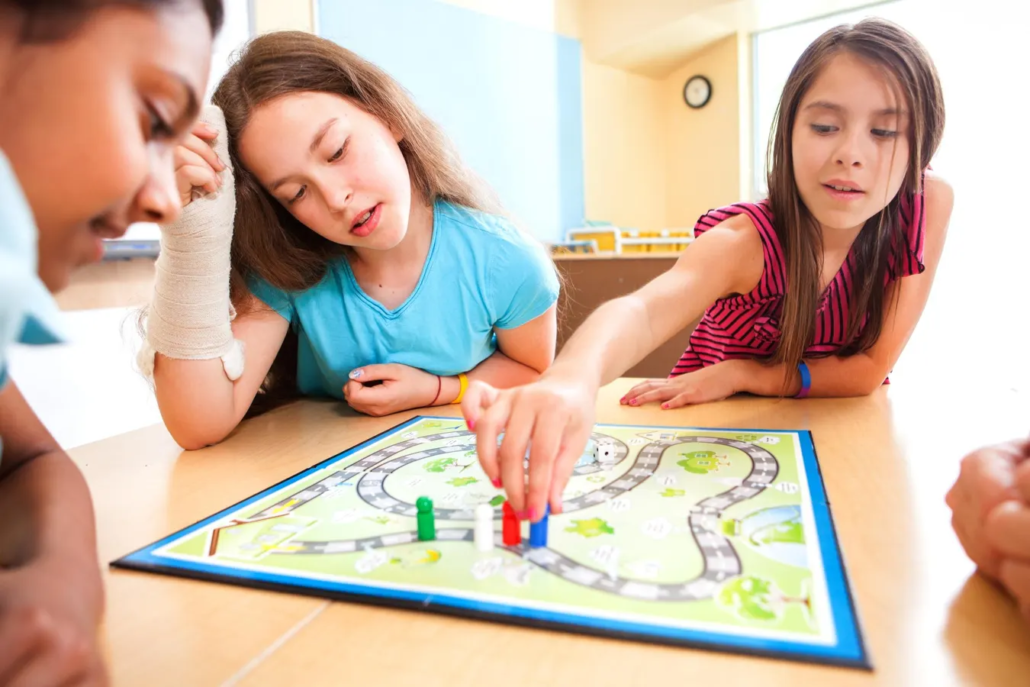
Board games can provide children with an enjoyable way to develop important thinking and social skills while spending less time with digital screens. Many board games require careful planning, turn-taking, decision-making, and attention to changing situations. These activities can help children understand that good results often require patience rather than quick reactions. Strategy games can also introduce basic problem-solving skills in a simple and entertaining format. From classic chess to cooperative games, different options support different learning goals. The right board games can make learning feel like play while encouraging children to think ahead, follow rules, manage emotions, and make thoughtful choices.
How Board Games Build Strategy Skills
Strategy develops when a child must consider several possible actions before making a decision. Board games naturally create this type of situation. A player may need to decide whether to take a safe move, prepare for a future turn, or respond to another player’s action. Repeated practice helps children understand that decisions can have consequences.
Games with multiple possible moves are especially useful for developing strategic thinking. Children learn to observe the board, identify patterns, compare options, and think about what could happen next. These skills can also support problem-solving in school and everyday situations.
Chess for Planning and Patience
Chess is one of the most recognized board games for developing strategic thinking. Each move requires attention because pieces have different abilities and positions can change quickly. Children gradually learn to think several moves ahead instead of acting immediately.
Chess can also teach patience because a successful move may require waiting for the right opportunity. Losing a game provides another useful lesson: mistakes can be reviewed, understood, and improved rather than treated as failure. Younger children can begin with simplified chess lessons before learning the complete rules.
Checkers for Simple Strategic Thinking
Checkers offers a simpler introduction to strategy. The rules are easier to understand than chess, while the game still requires planning, observation, and anticipation. A child must consider the current move while watching possible responses from an opponent.
The game can also introduce the idea of sacrificing one piece to create a better position later. Such decisions help children understand that an immediate loss does not always mean a poor overall choice. This makes checkers suitable for children who are still developing basic strategic thinking.
Connect Four for Pattern Recognition
Connect Four is a straightforward game that can teach planning and visual pattern recognition. Players place pieces into columns while trying to create a line before the opponent does the same. Each move can affect several future possibilities.
Children learn to look for patterns, block potential winning moves, and create opportunities for later turns. The short playing time can also make the game suitable for younger children with limited attention spans. Since each round provides a fresh opportunity, children can quickly apply lessons from previous games.
Stratego for Decision-Making
Stratego combines strategy, memory, and hidden information. Players must make decisions without knowing the exact identity of every opposing piece. This creates opportunities to teach children about uncertainty and careful observation.
Successful play involves thinking about possible risks rather than simply selecting the strongest-looking move. Children can learn that information matters and that patience can sometimes produce better results than immediate action.
Ticket to Ride for Planning Ahead
Ticket to Ride introduces strategy through route planning and resource management. Players collect cards and use them to build railway routes across a map. Longer-term planning becomes important because useful routes may become unavailable as the game progresses.
The game can help children understand how short-term decisions connect with larger goals. Patience also becomes important because collecting the right cards may require several turns. This type of delayed decision-making can strengthen planning skills without making the activity feel like formal learning.
Catan for Resource Management
Catan introduces children to resource management, negotiation, and long-term planning. Players collect different resources and use them to develop settlements and roads. Since resources are limited, every decision requires some thought.
The game can demonstrate how one resource may be more useful at one stage than another. Children can also learn that cooperation and negotiation can influence outcomes. Depending on age and experience, an adult can simplify certain rules before introducing the complete game.
Cooperative Board Games for Patience and Teamwork
Not every board game needs a winner-versus-loser structure. Cooperative board games give children a chance to work toward a shared objective. Players discuss options, divide responsibilities, and make decisions together.
This format can be especially helpful for teaching patience because children must listen to different ideas before taking action. Cooperative games also reduce the focus on individual victory and place more attention on communication, planning, and shared problem-solving.
How to Choose Board Games by Age
Age and attention span should be considered before selecting a game. A complicated strategy game can become frustrating if the rules are too difficult to understand.
- Ages 4–6: Simple matching, counting, memory, and turn-taking games are useful starting points.
- Ages 6–8: Checkers, Connect Four, and beginner strategy games can introduce planning.
- Ages 8–10: Chess, route-building games, and moderately complex strategy games can provide greater challenges.
- Ages 10 and above: More advanced games involving resource management, negotiation, hidden information, or long-term planning may be appropriate.
The recommended age on a game box provides a useful starting point, but individual development and interest should also be considered.
Tips for Teaching Patience Through Games
Patience develops gradually, so the experience should remain enjoyable. Adults can encourage children to think before moving rather than rushing to finish a turn. Asking questions such as “What could happen next?” can encourage thoughtful decision-making without giving away the answer.
It is also useful to treat mistakes as part of learning. A child who loses a game can review important moves and consider different choices for the next round. Short sessions may work better for younger children, while older children can gradually handle longer games.
Why Board Games Are Useful Beyond Game Night
The skills developed through board games can extend beyond the playing table. Strategic games encourage planning, while turn-based games reinforce patience and self-control. Games involving memory can support attention, while cooperative activities encourage communication.
Regular play can also create opportunities for children to practice handling both success and disappointment in a controlled environment. These experiences can contribute to emotional development and practical decision-making. The greatest benefit comes when games remain enjoyable rather than becoming another academic task.
Bachaa Party: A Fun Place for Learning Through Play
Bachaa Party can add value to childhood development by providing access to toys, games, and play-based activities that support learning and creativity. Board games can become a useful part of family time because children can develop planning, patience, concentration, and problem-solving skills while enjoying meaningful play. A suitable game can also encourage communication and turn-taking among children and family members. Selecting age-appropriate games with clear rules and engaging challenges helps keep learning enjoyable. Through thoughtful play choices, Bachaa Party supports an environment where children can explore new skills while having fun.

Leave a Reply
Want to join the discussion?Feel free to contribute!