
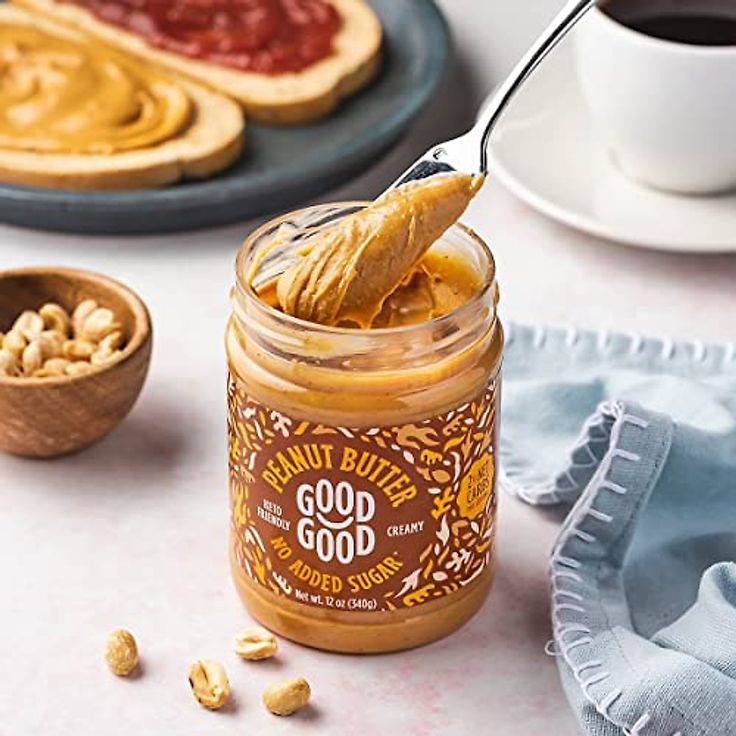
Lotus Peanut Butter: A Delicious and Versatile Choice for Everyday Nutrition
Peanut butter has become a popular pantry staple around the world because of its rich taste, creamy texture, and versatility. Among the many varieties available today, lotus peanut butter is an interesting option for people who enjoy the combination of roasted peanuts and the distinctive flavor associated with Lotus-inspired spreads. Whether enjoyed on toast, added to smoothies, or used in desserts, peanut butter can make simple foods more satisfying and flavorful.
For many people, choosing a peanut butter is about more than taste. Texture, ingredients, protein content, sweetness, and overall versatility can all influence the decision. Understanding what makes lotus peanut butter appealing can help you find creative ways to incorporate it into your daily meals and snacks.
What Is Lotus Peanut Butter?
The term lotus peanut butter can refer to a peanut butter product or a peanut-butter-based spread associated with Lotus-style flavors. Traditional peanut butter is generally made by grinding roasted peanuts into a smooth or crunchy paste. Depending on the recipe or brand, additional ingredients such as salt, sugar, vegetable oils, or other flavorings may be included.
Lotus-inspired flavors are often recognized for their caramelized, biscuit-like sweetness. When combined with peanut butter, this creates a rich spread that can appeal to people who prefer a sweeter and more indulgent flavor profile.
As with any packaged food, it is important to check the product label. Ingredients and nutritional information can differ considerably between brands and varieties.
Nutritional Value of Peanut Butter
Peanut butter is naturally nutrient-dense. Peanuts contain protein, unsaturated fats, fiber, vitamins, minerals, and various plant compounds. Because peanut butter is made from ground peanuts, it can provide many of these nutrients in a convenient form.
A serving of peanut butter can contribute protein to a meal, which is particularly useful when paired with other nutritious foods. It also contains fats that can contribute to a feeling of fullness.
However, peanut butter is relatively energy-dense, meaning that a small serving can contain a significant number of calories. Sweetened varieties may also contain added sugar. Therefore, portion size and the specific ingredients used are important considerations when choosing a peanut butter product.
If you are purchasing lotus peanut butter, compare the nutrition label and ingredient list to determine whether the product fits your dietary preferences.
Why People Enjoy Lotus Peanut Butter
One of the biggest attractions of lotus peanut butter is its flavor. Peanut butter already has a naturally roasted, nutty taste, while Lotus-inspired flavors can add sweetness and a caramelized note. This combination can make the spread especially enjoyable in both breakfast dishes and desserts.
Its creamy consistency can also make it easy to spread over bread, crackers, pancakes, or waffles. Some varieties may have a thicker or crunchier texture, giving consumers different options depending on their preferences.
Another advantage is versatility. Instead of limiting peanut butter to sandwiches, you can use it in smoothies, oatmeal, desserts, sauces, and snacks.
Delicious Breakfast Ideas
Breakfast is one of the easiest times to enjoy lotus peanut butter. Spread it over whole-grain toast and add sliced banana for a simple combination of carbohydrates, healthy fats, and protein.
You can also swirl a spoonful into warm oatmeal. Add banana, berries, cinnamon, or chopped nuts for additional flavor and texture. For a more indulgent breakfast, try spreading peanut butter over pancakes or waffles and topping them with fresh fruit.
Another option is a peanut butter smoothie. Blend milk or a dairy-free alternative with banana, oats, peanut butter, and a little cinnamon. The result is a creamy and filling drink that can work well as a convenient breakfast or snack.
Lotus Peanut Butter in Desserts
The sweet and nutty character of lotus peanut butter makes it particularly suitable for desserts. It can be incorporated into cookies, brownies, cheesecake mixtures, energy bites, and no-bake treats.
For a quick dessert, spread peanut butter over banana slices and add a small amount of melted dark chocolate. Refrigerate the pieces until firm for an easy homemade snack.
You can also create peanut butter dessert cups by combining melted chocolate with a peanut butter filling. The contrast between chocolate and peanut butter is a classic combination that works well for special occasions or casual treats.
When using a sweetened peanut butter product in baking, remember to consider its sugar content and adjust the amount of additional sugar in your recipe if necessary.
Healthy Snack Combinations
A spoonful of peanut butter can become part of a balanced snack when paired with nutrient-rich foods. Try spreading lotus peanut butter on apple slices for a combination of crisp fruit and creamy peanut butter.
It can also be paired with celery, whole-grain crackers, bananas, or pears. For an easy homemade snack, combine oats, peanut butter, seeds, and dried fruit to make no-bake energy bites.
These combinations can add variety to your snack routine while allowing you to enjoy peanut butter in controlled portions.
How to Choose the Right Peanut Butter
When buying lotus peanut butter, reading the label is important. Look at the ingredient list first to understand what has been added to the product. If you prefer a less sweet option, choose a variety with little or no added sugar.
You may also want to compare protein, total fat, saturated fat, sodium, and sugar per serving. People with peanut allergies should avoid peanut butter entirely, while those managing specific dietary requirements should check for potential allergens and other ingredients.
Storage instructions should also be followed carefully. Some natural peanut butters may separate and require stirring, while processed varieties may have a more uniform consistency.
Creative Ways to Use Lotus Peanut Butter
There are countless ways to experiment with lotus peanut butter beyond traditional toast. Add it to yogurt with fruit and granola for a quick breakfast bowl. Stir a small amount into a homemade sauce for noodles or vegetables to create a creamy, nutty flavor.
You can also use it as a filling for crepes, a topping for rice cakes, or an ingredient in homemade granola. Even a simple bowl of vanilla yogurt can become more exciting with a swirl of peanut butter and some chopped fruit.
The key is to balance its rich flavor with fresh, whole foods.
Conclusion
Lotus peanut butter can be a flavorful and versatile addition to a variety of meals and snacks. Its combination of nutty peanut flavor and sweet, caramelized notes makes it suitable for everything from toast and oatmeal to smoothies and desserts.
While peanut butter can provide protein, fats, and other nutrients, sweetened varieties should be enjoyed thoughtfully and in appropriate portions. Checking the ingredients and nutrition label can help you choose a product that matches your needs.
Whether you are looking for a quick breakfast topping, a satisfying snack ingredient, or a creative addition to homemade desserts, lotus peanut butter offers plenty of opportunities to make everyday foods more enjoyable.


Leave a Reply
Want to join the discussion?Feel free to contribute!