
What Surfaces Can Be Cleaned With Pressure Washing?
Pressure washing is one of the most effective ways to remove dirt, stains, mold, algae, and other buildup from outdoor surfaces. It helps improve appearance, supports regular maintenance, and extends the life of many materials. Property owners often wonder which areas are suitable for this cleaning method and how to achieve the best results. Many Pompano beach pressure washing experts recommend matching the cleaning pressure to each surface for safe and reliable results.
Driveways and Sidewalks
Concrete driveways and sidewalks collect dust, oil stains, tire marks, and mildew throughout the year. Pressure washing removes these stubborn deposits more effectively than manual scrubbing and restores the original appearance of the surface. Regular cleaning also helps reduce slippery areas caused by algae or moss, making walkways safer for family members and visitors. Concrete is generally strong enough to handle higher water pressure, although the correct equipment settings are still important to avoid unnecessary wear around joints or damaged sections.
House Siding and Exterior Walls
Vinyl, brick, stucco, and painted exterior walls can all benefit from proper pressure washing techniques. Dirt, cobwebs, pollen, and mold often collect on these surfaces and gradually reduce curb appeal. Professional cleaning removes these layers without causing damage when suitable pressure levels and nozzles are selected. Clean siding also prepares the surface for painting or sealing if future maintenance is planned. Regular exterior washing helps preserve the property’s appearance and reduces the buildup of harmful organic growth over time.
Wooden Decks and Fences
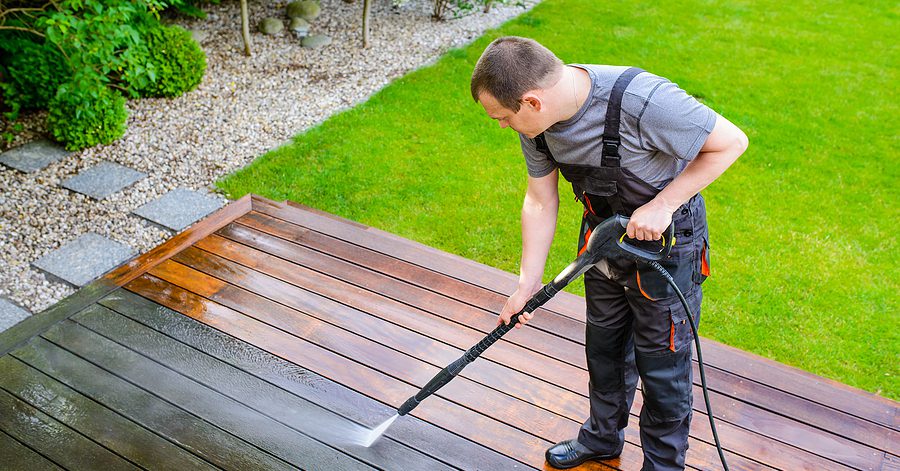
Wooden decks and fences naturally collect dirt, mildew, and weather-related stains that make them appear older than they really are. Pressure washing restores much of the original color while preparing wood for staining or sealing. Lower pressure settings are essential because excessive force can leave marks or damage soft wood fibers. Careful cleaning also removes slippery mold that develops in shaded areas, creating a safer outdoor space for family activities while helping extend the useful life of wooden structures.
Patios and Outdoor Living Areas
Patios built with concrete, brick, or stone often become stained by food spills, leaves, mud, and weather exposure. Pressure washing removes these surface contaminants and refreshes outdoor entertainment spaces without requiring harsh chemicals in many situations. Clean patios provide a more welcoming environment for gatherings and reduce the chance of slipping on moss or algae. Routine maintenance also helps preserve decorative finishes and keeps outdoor spaces looking well cared for throughout different seasons of the year.
Roofs and Gutters
Roofs require a careful cleaning approach because roofing materials can be damaged by excessive pressure. Soft washing, which uses lower pressure with appropriate cleaning solutions, is commonly used for shingles and delicate roofing surfaces. Gutters also benefit from cleaning because dirt and organic growth can collect along their exterior. Removing stains from visible gutter surfaces improves the overall appearance of the home while supporting proper drainage and reducing maintenance issues caused by clogged systems.
Surfaces That Benefit Most From Regular Pressure Washing
Regular cleaning provides lasting value by protecting many outdoor areas from long-term dirt buildup and weather damage.
- Concrete driveways and sidewalks
- Brick walls and pathways
- Vinyl and brick siding
- Wooden decks and fences
- Patios and pool surrounds
- Garage floors
- Outdoor furniture made from durable materials
- Commercial parking lots and entryways
Choosing the correct pressure level for each material helps maintain appearance while reducing the risk of unnecessary surface damage. Consistent maintenance also makes future cleaning faster because heavy stains have less opportunity to develop over time.
Step-by-Step Guide to Safe Pressure Washing
Successful pressure washing starts with inspecting the surface for cracks, loose materials, or existing damage that may require repair first. Selecting the proper nozzle and pressure setting is the next important step because every material responds differently to water pressure. Cleaning should begin with a small test area before covering the entire surface. Working in steady, overlapping passes produces even results and prevents streaks. Allowing the cleaned surface to dry completely finishes the process and makes it easier to inspect the final outcome.
Conclusion
Pressure washing is suitable for many exterior surfaces, including driveways, sidewalks, siding, patios, decks, fences, and selected roofing materials. Using the right equipment and proper cleaning techniques protects each surface while removing dirt, mold, algae, and stains. Regular maintenance helps preserve property value, improves safety, and keeps outdoor spaces looking clean throughout the year. Understanding which surfaces respond best to pressure washing allows homeowners and business owners to make informed decisions and maintain attractive properties with confidence.
FAQs
Can pressure washing damage concrete?
Concrete is durable, but using extremely high pressure on damaged or cracked areas may cause additional wear. Proper pressure settings help clean safely.
Is pressure washing safe for wooden decks?
Yes. Lower pressure combined with the correct nozzle effectively removes dirt and mildew without harming the wood surface.
How often should exterior surfaces be pressure washed?
Most residential properties benefit from pressure washing once each year, although heavily exposed areas may need more frequent cleaning.
Can pressure washing remove mold and algae?
Yes. Pressure washing removes surface mold and algae, and suitable cleaning solutions can help reduce future growth.
Should roofs be cleaned with high-pressure washing?
No. Most roofs are better cleaned using soft washing methods that use lower pressure to protect roofing materials while removing stains and organic buildup.


Leave a Reply
Want to join the discussion?Feel free to contribute!