
What Are The Main Geometric Patterns Used In Mandala Art?
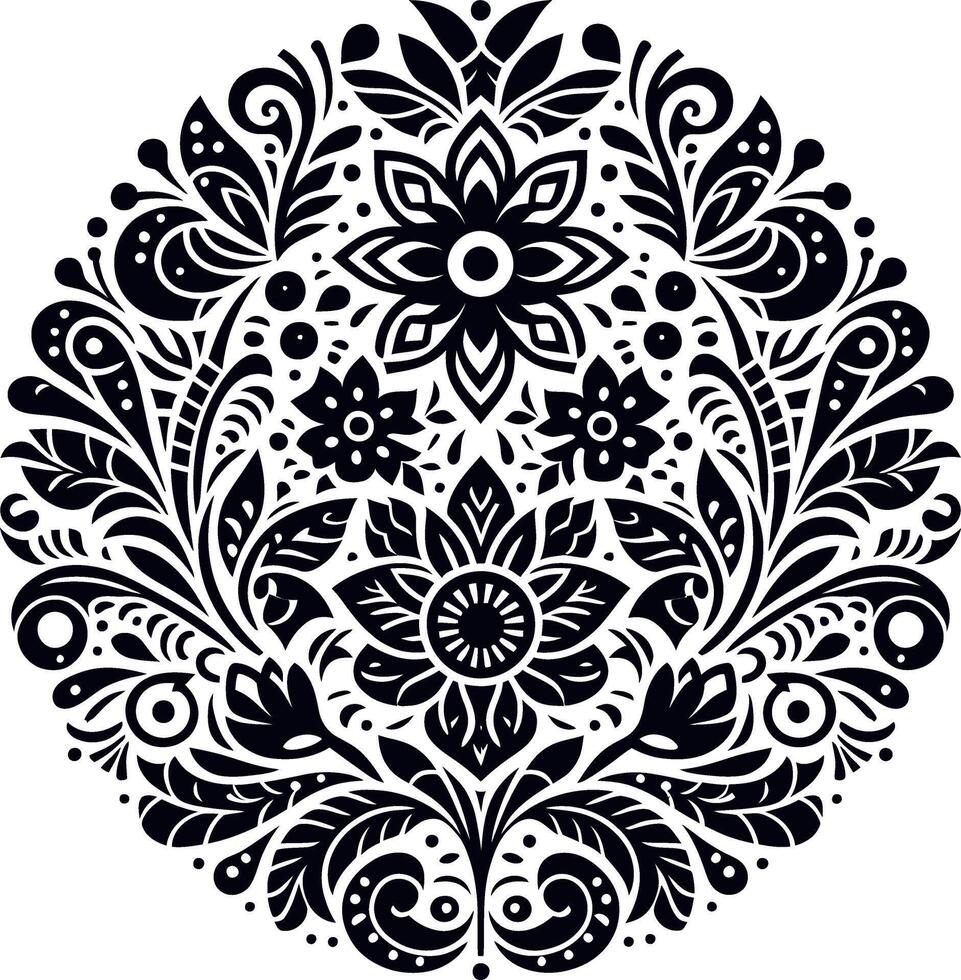
Mandala art is known for its detailed shapes, balanced structures, and meaningful patterns that create a sense of harmony. Artists use carefully arranged forms to build attractive designs with deep cultural and artistic value. Many styles, including Black mandala art designs, depend on geometric elements to create powerful visual effects. Circles, triangles, squares, and repeated motifs form the foundation of these artworks and help artists create organized compositions.
The Role Of Geometry In Mandala Art
Geometry plays an important role in mandala creation because it provides structure and balance. Each shape is placed with careful attention to spacing, symmetry, and repetition. Artists often begin with a central point and build outward using measured sections. This method allows every part of the artwork to connect visually. Geometric planning helps create patterns that appear calm and organized, making mandalas popular among artists, designers, and people who appreciate detailed creative expressions.
Circular Patterns As The Foundation Of Mandala Designs
Circles are the most common geometric pattern found in mandala artwork. They represent unity, completeness, and continuous movement. Many mandalas begin with a central circle that becomes the base for additional layers of designs. Artists add smaller circles, curved lines, and repeated shapes around the center to create depth. Circular patterns allow smooth transitions between different sections, helping the artwork maintain a balanced appearance from the middle point toward the outer edges.
Symmetrical Patterns For Creating Visual Balance
Symmetry is one of the defining features of mandala art. Artists divide the design into equal sections so that every area reflects another part of the composition. This approach creates consistency and order throughout the artwork. Radial symmetry, where patterns spread evenly from the center, is especially common in traditional and modern mandalas. Symmetrical layouts help viewers focus on the complete design rather than a single section, creating a peaceful and connected visual experience.
Triangle Patterns And Their Symbolic Meaning
Triangles are frequently used in mandala designs because they add direction and movement. Upward-facing triangles are often connected with energy and growth, while downward-facing triangles may represent balance and reflection. Artists combine multiple triangles to create star-like shapes and complex geometric arrangements. These patterns add sharp details to the softer appearance of circles. Triangle structures are often placed within circular layouts to create contrast and make the overall design more visually interesting.
Square Patterns And Structured Mandala Forms
Squares provide stability and organization within mandala artwork. Many traditional mandalas include square borders that surround inner circular designs. These structures create clear boundaries and help separate different sections of the artwork. Squares are also used to represent foundation and order. Artists often combine squares with circles and other geometric shapes to create layered compositions. This mixture of straight lines and curved forms gives mandalas a unique appearance that balances strength with creativity.
Common Geometric Elements Found In Mandala Artwork
Mandalas include many repeated shapes that contribute to their detailed appearance. Each element can create a different effect depending on its placement and size. Artists often combine several geometric forms to build complex designs.
- Circles create flow, unity, and smooth visual connections.
- Triangles introduce direction, movement, and symbolic depth.
- Squares provide structure and organized sections.
- Spirals add natural movement and a sense of expansion.
- Petal shapes create decorative layers around central areas.
- Lines divide sections and improve pattern arrangement.
Step-By-Step Process Of Creating Geometric Mandala Patterns
Creating a geometric mandala requires patience, planning, and attention to detail. Artists usually follow a series of steps to maintain accuracy and balance throughout the drawing process. The process begins with a central point that guides the entire design. After establishing the foundation, artists add measured sections and repeat patterns carefully. This method allows beginners and experienced creators to produce organized artwork with consistent spacing and attractive geometric details.
The first step involves drawing a basic circle that acts as the main framework. The second step includes adding guidelines that divide the circle into equal sections. The third step focuses on placing simple shapes such as triangles, squares, or petals around the center. The fourth step involves repeating patterns across each section. The final step includes adding details, refining lines, and applying colors or shading to complete the mandala design.
Modern Uses Of Geometric Mandala Art
Modern artists use geometric mandalas in many creative fields, including home decoration, digital artwork, fashion, and personal projects. These designs attract attention because they combine mathematical accuracy with artistic expression. Many people use mandala patterns for relaxation activities, drawing practices, and decorative purposes. Contemporary artists often experiment with traditional shapes while adding personal styles, unique layouts, and different materials. This allows mandala art to remain relevant across various creative communities.
Conclusion
Geometric patterns are the foundation of mandala art, providing structure, meaning, and visual harmony. Circles, triangles, squares, spirals, and symmetrical arrangements allow artists to create detailed designs with strong artistic appeal. Understanding these patterns helps beginners develop better drawing skills and gives experienced artists new ways to explore creativity. Mandala artwork continues to inspire people because it combines mathematical order with personal expression, making each design a unique representation of balance and imagination.
Leave a Reply
Want to join the discussion?Feel free to contribute!