
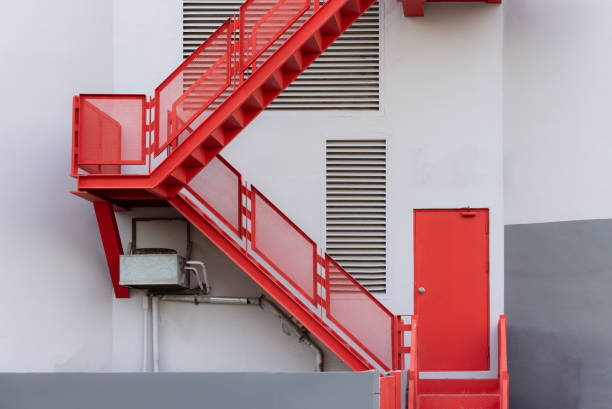
How Do Fire Escape Doors Protect Building Occupants?
Why Do Fire Escape Doors Matter Inside Any Building?
People walk past fire escape doors every day without thinking twice. They sit in stairwells corridors and side exits almost invisible in normal use. That changes the moment danger appears. Fire does not wait for anyone to prepare. It spreads through heat and smoke cutting visibility and air quality in minutes. In that moment people need one thing more than anything else a clear way out. Fire escape doors give that route. They open a direct path away from danger and guide people toward safety zones. No confusion. No delay. Just movement toward exit.
What Happens When Fire Breaks Out Suddenly?
A small spark can turn into a serious fire faster than most people expect. Wiring faults kitchen accidents or machinery issues can trigger it. Once flames start smoke fills rooms quickly. People lose sight of exits and struggle to breathe. Panic builds. Decision making slows. Fire escape doors cut through that chaos by offering fixed exit points. People recognize them even under stress. That recognition helps movement stay controlled instead of scattered.
How Do Fire Escape Doors Help People Move Safely?
A safe exit depends on direction. Fire escape doors create that direction inside a building. They sit along planned routes that lead outside. When occupants reach them they step into safer corridors or staircases designed for evacuation. Movement stays organized because people follow visible paths instead of random choices. That structure matters during emergencies when time shrinks and pressure rises. A clear exit point reduces hesitation and keeps flow steady.
Why Do These Doors Work Differently From Normal Doors?
A normal door focuses on privacy or security. A fire escape door focuses on survival. That difference shapes everything about its design. It uses strong materials that resist heat for a limited time. It includes handles or panic bars that open with minimal effort. Even under stress or crowd pressure the door still opens without delay. Regular doors often need keys or careful handling. Fire escape doors in Stoke on Trent remove those barriers completely. They exist for one purpose only fast exit.
How Do Fire Escape Doors Control Fire and Smoke Spread?
Fire does not move in a straight line. It spreads through air gaps and open paths. Smoke travels even faster than flames. Fire escape doors block that movement for a critical period. When closed they form a barrier that slows heat and smoke from entering escape routes. That delay gives people extra time to leave the building safely. Without that barrier escape paths fill with smoke quickly and become unusable. That single function makes these doors essential in safety planning.
Why Does Smoke Make Escape So Dangerous?
Smoke causes more harm than fire in many situations. It reduces vision and affects breathing almost immediately. People lose direction when they cannot see clearly. Fire escape doors help control that problem by keeping escape routes cleaner for longer. That gives occupants space to move without choking conditions. Even a short delay in smoke spread can change survival outcomes. That is why placement and sealing of these doors matters so much in building design.
Can Fire Escape Doors Reduce Panic in Emergencies?
Yes they play a strong role in reducing panic. People behave better when they see clear exits. Fire escape doors act as visual anchors during confusion. When occupants spot them they understand where to go. That clarity removes hesitation. Instead of random movement people follow structured paths. Calm movement improves safety because it prevents crowd blockage and reduces accidents inside the building. Direction creates order even in stressful conditions.
Why Does Maintenance Decide Their Performance?
A fire escape door only works if it stays functional. Hinges wear down over time. Frames shift slightly. Dust or rust builds up in moving parts. None of these issues seem serious at first. But during an emergency even a small fault can cause failure. A door that sticks or jams slows evacuation. That delay can create danger. Regular checks keep everything aligned and smooth. Maintenance ensures the door opens when people need it most.
How Do Fire Escape Doors Fit Into Building Safety Systems?
A building does not rely on one safety feature alone. Fire alarms detect danger. Sprinklers control flames. Signs guide movement. Fire escape doors complete that system by giving physical exit points. They connect internal spaces to safe outdoor areas. Without them the system feels incomplete. With them the building gains structure during emergencies. That structure supports fast evacuation and reduces confusion across floors and rooms.
What Makes Placement of These Doors So Important?
Location shapes effectiveness. A fire escape door must sit where people can reach it quickly. Corridors stairwells and central exit routes often hold them. Poor placement slows evacuation and increases risk. Good placement shortens travel distance during emergencies. That small detail can change how fast people exit the building. Planning teams design these routes carefully to avoid blocked paths or confusion points.
Why Do Regulations Control Fire Escape Door Standards?
Safety rules exist to protect people inside buildings. Regulations set clear requirements for strength size and placement of fire escape doors. They ensure every building follows minimum safety standards. Without those rules some buildings might cut corners and create unsafe exits. Inspections check whether doors meet those requirements. That process keeps safety consistent across different structures and locations.
Can Fire Escape Doors Fail?
Yes failure can happen when people ignore maintenance or install them incorrectly. A blocked door or broken handle can stop evacuation flow. Structural damage can also weaken performance. That is why regular inspection matters. A door that looks fine on normal days may still fail under emergency pressure if no one checks it. Proper care prevents those situations and keeps safety reliable.
Conclusion
Fire escape doors protect people by creating clear and fast exit paths during emergencies. They control smoke movement reduce panic and support organized evacuation. Their design focuses on speed and reliability when every second matters. Proper maintenance and correct placement ensure they work when needed most. Buildings that include well planned fire escape doors give occupants a stronger chance of reaching safety without confusion or delay.
FAQs
What do fire escape doors do?
They provide safe and direct exit routes during emergencies.
Why are they important in buildings?
They reduce evacuation time and improve safety during fires.
Do fire escape doors need regular checks?
Yes maintenance ensures they work properly in emergencies.
Can smoke pass through fire escape doors?
They slow down smoke to protect escape routes for longer.
Where do you usually find fire escape doors?
They sit in corridors stairwells and key exit points inside buildings.
Visit rmconnection for more informative blogs.


Leave a Reply
Want to join the discussion?Feel free to contribute!