
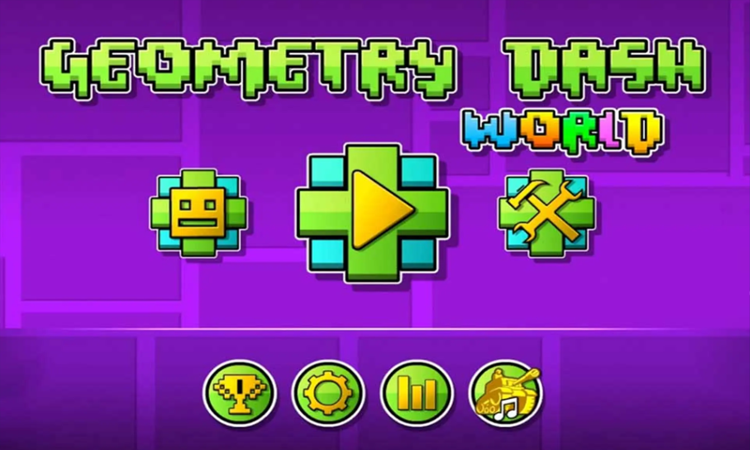
Geometry Dash Game: A Fast-Paced Test of Skill and Patience

Geometry Dash is a rhythm-based platformer that has become one of the most recognizable indie games in mobile and PC gaming. At first glance, it looks simple: guide a small square through a series of obstacles by jumping, flying, and reacting to the beat. But beneath that clean design is a game that demands precision, memory, and persistence. Its lasting popularity comes from this mix of easy accessibility and extreme difficulty.
What Makes Geometry Dash Unique?
The core gameplay of geometry dash is built around timing. Players move automatically through levels, and the only real control is when to jump or interact with special objects. This simplicity is one of the game’s greatest strengths. New players can understand the basics within seconds, yet mastering a level can take dozens or even hundreds of attempts.
The game’s rhythm-based structure also sets it apart. Obstacles are often synchronized with music, making each level feel like a visual and musical performance. This creates a strong sense of immersion. When players succeed, it feels less like random luck and more like they have learned a pattern and performed it perfectly.
The Appeal of Difficulty
One reason Geometry Dash remains popular is that it embraces challenge without apology. In an era where many games hold the player’s hand, Geometry Dash asks for repetition and discipline. This can be frustrating, but it is also rewarding. Every small improvement feels meaningful.
Supporters argue that this difficulty is the heart of the game. Beating a hard level delivers a powerful sense of achievement, especially because success is visibly tied to skill. Unlike games that rely heavily on upgrades or luck, Geometry Dash rewards practice, concentration, and memory.
However, critics note that the same difficulty can also be a barrier. Some players may find the game overly punishing, especially when progress resets after a single mistake. For casual gamers, this can make the experience feel stressful rather than fun. Still, this tension is part of what defines the game’s identity.
Community and Creativity
Beyond its official levels, Geometry Dash has developed a large and creative community. The level editor allows players to design their own stages, which has led to an enormous library of user-created content. This feature has helped the game stay relevant for years.
The community has also pushed the game to new limits. Many custom levels are far more complex than the official ones, featuring advanced visuals, storytelling, and near-impossible gameplay. In this sense, Geometry Dash is not just a game but a platform for creative expression.
Of course, this user-generated content has both advantages and drawbacks. The creativity is impressive, but the quality varies widely. Some levels are brilliant, while others are poorly balanced or overly flashy. Even so, the editor gives players a reason to return long after they finish the main content.
Why It Still Matters
Geometry Dash demonstrates that a game does not need realistic graphics or complex systems to be memorable. Its combination of rhythm, precision, and community-driven content has made it a lasting success. It appeals to players who enjoy mastering a challenge and to creators who enjoy building something new.
In the end, Geometry Dash is more than just a difficult platformer. It is a game about patience, rhythm, and perseverance. For some, it is frustrating. For others, it is addictive. For many, it is both—and that is exactly why it continues to matter.

Leave a Reply
Want to join the discussion?Feel free to contribute!