
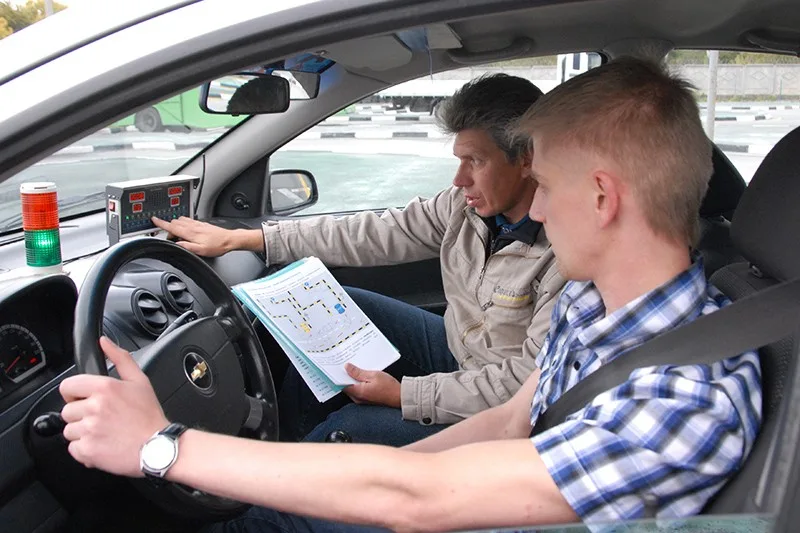
Street Smart Driving School: A Practical Guide to Smarter Learning on UK Roads
Learning to drive is no longer just about passing a test. Across the UK, modern learners are looking for structured, flexible, and technology-supported training that reflects real road conditions. This is where the idea behind a Street Smart Driving School approach becomes relevant. It focuses less on memorisation and more on awareness, decision-making, and adapting to everyday driving scenarios.
In the UK, where road systems range from busy urban roundabouts to narrow rural lanes, a smarter approach to driver education is becoming increasingly important. Understanding how these schools operate can help learners make informed choices and build safer habits from the start.
What Defines a Smart Driving School in the UK?
A Smart Driving School model goes beyond traditional lesson formats. Instead of rigid, one-size-fits-all sessions, it often incorporates:
- Flexible scheduling to suit working learners or students
- Digital tools for progress tracking
- Structured lesson planning based on real-world driving conditions
- Emphasis on hazard perception and independent driving
In practical terms, this means a learner might spend less time repeating basic manoeuvres and more time understanding how to respond to unpredictable situations like sudden lane changes, pedestrian crossings, or motorway merging.
For example, rather than practicing parallel parking in isolation, a smart approach would place the learner in a realistic setting with traffic flow, time pressure, and environmental distractions.
Why the “Street Smart” Approach Matters
Driving in the UK requires more than technical ability. It demands awareness of road culture, etiquette, and constant environmental scanning. The concept behind a Street Smart Driving School focuses on these broader skills.
This approach helps learners:
- Anticipate the behaviour of other drivers
- Interpret road signs and markings quickly
- Manage stress in high-pressure traffic situations
- Develop confidence without over-reliance on instructor guidance
Consider a busy city like Birmingham or London. A learner trained only in quiet residential streets may struggle when faced with multi-lane roundabouts or complex junctions. A street-smart approach prepares them for these realities early on.
The Role of Technology in Smart Driving Education
Technology is playing a growing role in shaping how driving is taught. Many modern systems used by a Smart Driving School include:
- Mobile apps for booking and lesson tracking
- Dashcam reviews to analyse mistakes
- Online theory support integrated with practical lessons
- Simulated hazard perception training
These tools allow learners to review their progress objectively. For instance, watching a recorded driving session can highlight hesitation at junctions or missed mirror checks in a way verbal feedback alone cannot.
In the UK, where the driving test includes independent driving sections, this type of preparation is particularly valuable. Learners become more self-aware and less dependent on constant instruction.
Real-World Learning vs Test-Focused Training
One of the key differences between traditional methods and a Street Smart Driving School approach lies in priorities. Traditional systems often emphasise passing the test quickly. While that remains important, smart learning focuses on long-term driving ability.
This includes:
- Navigating unfamiliar routes without guidance
- Understanding different road users, including cyclists and pedestrians
- Adapting to weather conditions such as rain, fog, or icy roads
- Making safe decisions rather than just correct ones
For example, slowing down earlier than necessary in poor visibility may not be strictly required for a test, but it reflects real-world safety awareness. Smart driving education encourages this mindset.
Who Benefits Most from Smart Driving Schools?
The Smart Driving School UK model is particularly useful for:
- First-time learners who want structured guidance
- International drivers adapting to UK road rules
- Nervous drivers who need confidence-building strategies
- Busy professionals requiring flexible lesson timing
A learner who struggles with confidence, for instance, may benefit from gradual exposure to complex traffic situations rather than being rushed through standard lessons.
Similarly, someone transitioning from driving abroad may need targeted lessons on UK-specific rules such as roundabout priority, left-side driving, and strict speed enforcement.
Instructor Approach and Teaching Style
A defining feature of a Street Smart Driving School is the teaching style of its instructors. Rather than simply correcting mistakes, instructors often:
- Explain the reasoning behind decisions
- Encourage independent thinking
- Use scenario-based teaching methods
- Provide constructive, balanced feedback
For example, instead of saying “you should have stopped,” an instructor might explain how road positioning, visibility, and traffic speed influenced the correct decision.
This method helps learners internalise safe driving habits rather than relying on memorised instructions.
A Note on Modern Driving Standards
In recent years, UK driving tests have evolved to reflect real-world conditions more accurately. Independent driving, sat-nav use, and complex traffic scenarios are now standard parts of the assessment.
Driving schools that adopt a smarter, street-focused approach are naturally aligned with these changes. While not all schools operate the same way, some, including brands like Smart Driving School, reflect this shift toward practical, learner-centred training.
The focus is no longer just on passing but on preparing drivers for long-term safety and responsibility on the road.
Conclusion
A Street Smart Driving School approach represents a shift in how driving is taught across the UK. It prioritises awareness, adaptability, and real-world readiness over routine practice alone. By integrating technology, flexible learning, and scenario-based teaching, it offers a more comprehensive path to becoming a confident driver.
For learners navigating today’s complex road environments, this method provides practical advantages that extend well beyond the driving test. Understanding how smart driving education works can help individuals choose a learning path that supports both immediate success and long-term safety.


Leave a Reply
Want to join the discussion?Feel free to contribute!