
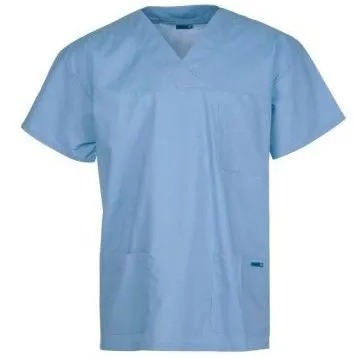
Surgical Scrubs in Australia: What Healthcare Professionals Need to Know
Surgical scrubs are more than just a uniform. In modern healthcare environments across Australia, they play a critical role in hygiene, safety, and professional identity. From busy metropolitan hospitals to regional clinics, the right scrubs can directly impact comfort during long shifts and help maintain strict infection control standards.
Understanding what makes high-quality scrubs, how they differ by role, and what to look for when choosing them can help healthcare workers make informed decisions without relying on trends or marketing claims.
The Purpose and Evolution of Medical Workwear
Surgical Scrubs were originally introduced to maintain sterile conditions in operating rooms. Over time, they have become standard attire for a wide range of healthcare professionals, including nurses, surgeons, dental assistants, and allied health staff.
In Australia, infection prevention protocols have shaped how scrubs are designed and used. Modern scrubs are made with materials that support easy cleaning, durability, and breathability. They are also designed to reduce the risk of cross-contamination, especially in high-risk environments such as surgical theatres and emergency departments.
Today, scrubs are not limited to plain designs. While functionality remains the priority, improvements in fabric technology and fit have made them more practical for long shifts without compromising professional standards.
Surgical Scrubs: Features That Matter in Clinical Settings
When evaluating surgical scrubs, certain features stand out as essential rather than optional. These elements are especially important in Australian healthcare settings where professionals often work extended hours.
Fabric Composition
Most scrubs are made from a blend of cotton and polyester. Cotton offers breathability, while polyester improves durability and wrinkle resistance. Some modern options include stretch fabrics that allow better mobility, which is particularly useful for surgeons and nurses who are constantly moving.
Moisture Management
In high-pressure environments, staying comfortable is important. Moisture-wicking materials help keep the wearer dry, reducing discomfort during long procedures or busy shifts.
Fit and Mobility
Loose-fitting scrubs were once standard, but tailored fits are now more common. A better fit does not mean tighter clothing; instead, it ensures ease of movement without excess fabric that could interfere with tasks.
Ease of Maintenance
Scrubs must withstand frequent washing at high temperatures. Durable stitching and color retention are important factors, especially in facilities that require daily laundering.
Choosing the Right Scrubs for Different Healthcare Roles
Not all healthcare roles require the same type of scrubs. The demands of a surgical theatre differ significantly from those of a general practice clinic.
Surgeons and Operating Room Staff
These professionals require scrubs that meet strict hygiene standards. Lightweight, breathable fabrics are essential, as operating rooms can be physically demanding despite controlled temperatures.
Nurses and Ward Staff
Nurses often work long shifts with constant movement. Scrubs with stretch fabric and practical features like pockets can make daily tasks more manageable.
Dental and Allied Health Professionals
In clinics such as dental practices or physiotherapy centers, scrubs may also serve as part of the professional image. Comfort remains key, but presentation and fit often receive more attention.
For example, a nurse in a busy Sydney hospital may prioritize durability and comfort, while a dental assistant in Melbourne might look for a balance between functionality and appearance.
Fabric Technology and Comfort in Australian Conditions
Australia’s climate varies widely, from humid coastal regions to dry inland areas. This makes fabric choice particularly important.
Breathable materials are essential in warmer regions, where overheating can become an issue during long shifts. Lightweight fabrics with moisture-wicking properties help regulate body temperature and reduce fatigue.
In cooler regions or air-conditioned environments, slightly heavier fabrics may provide added comfort without compromising mobility.
Modern scrubs also incorporate antimicrobial finishes in some cases. While these are not a substitute for proper hygiene practices, they can add an extra layer of protection in high-risk settings.
Hygiene Standards and Compliance in Australia
Healthcare facilities in Australia follow strict guidelines for infection control. Scrubs play a key role in maintaining these standards.
Professionals are typically required to change into clean scrubs at the start of each shift and avoid wearing them outside clinical environments. This reduces the risk of transferring contaminants between different locations.
Proper laundering is equally important. High-temperature washing and appropriate detergents help eliminate pathogens. Many hospitals provide in-house laundering services to ensure compliance with these standards.
Understanding these requirements is essential when selecting scrubs, as not all materials perform equally well under frequent, high-temperature washing conditions.
Practical Considerations When Selecting Scrubs
Beyond technical features, there are several practical factors to consider when choosing scrubs for daily use.
Durability
Scrubs are subject to frequent wear and washing. High-quality stitching and fabric strength can extend their lifespan, making them more cost-effective over time.
Functionality
Pockets, reinforced seams, and adjustable waistbands can make a noticeable difference during a shift. These small details often improve efficiency and comfort.
Consistency in Fit
Healthcare professionals often purchase multiple sets of scrubs. Consistent sizing ensures reliability and reduces the need for frequent adjustments.
Workplace Requirements
Some facilities have specific color codes or uniform policies. It is important to align with these guidelines when selecting scrubs.
Within the Australian market, brands such as Wash N Wear are often referenced in discussions about practical, everyday medical uniforms. Their inclusion in industry conversations reflects the growing demand for scrubs that balance comfort, durability, and compliance rather than focusing solely on appearance.
The Role of Scrubs in Professional Identity
While functionality remains the priority, scrubs also contribute to how healthcare professionals present themselves. A clean, well-fitted uniform can support patient confidence and reinforce a sense of professionalism.
In team environments, consistent uniforms help identify roles and maintain a cohesive appearance. This can be particularly important in larger hospitals where multiple departments interact throughout the day.
However, the focus remains on practicality. In healthcare, appearance should never come at the expense of safety or comfort.
Conclusion
Surgical scrubs Australia are a fundamental part of healthcare practice in Australia, supporting both hygiene standards and day-to-day functionality. From fabric selection to fit and durability, each aspect plays a role in ensuring that healthcare professionals can perform their duties effectively.
By understanding the key features and requirements of scrubs, professionals can make informed choices that align with their specific roles and working conditions. Rather than focusing on trends, the emphasis should remain on comfort, compliance, and reliability in demanding clinical environments.


Leave a Reply
Want to join the discussion?Feel free to contribute!