
Long-Tail Keywords in SEO
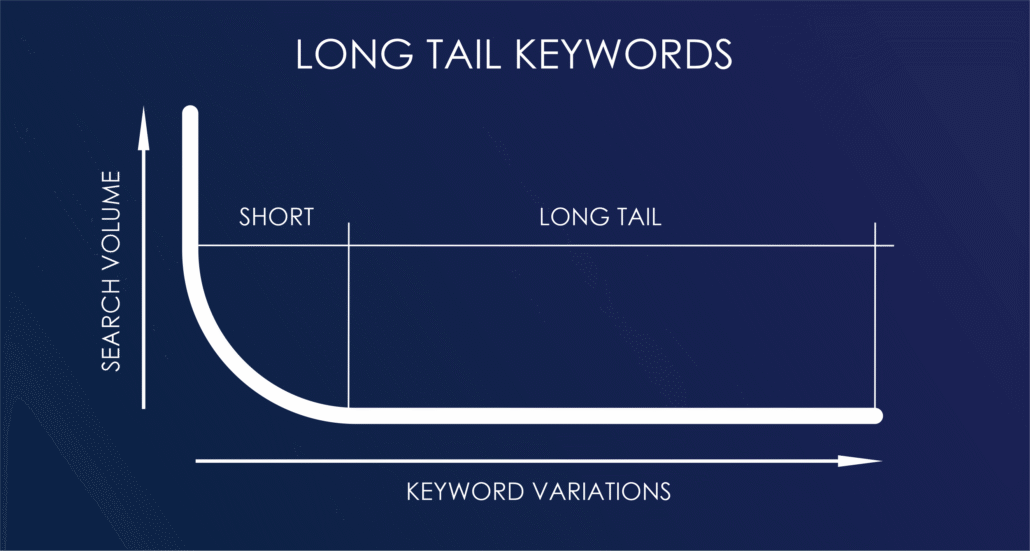
When it comes to search engine optimization (SEO), long-tail keywords are an essential yet often overlooked element. These are longer, more specific search phrases that users type when they are closer to making a decision, seeking detailed answers, or looking for a particular solution. Unlike short, general keywords that face high competition, long-tail keywords offer opportunities to attract targeted traffic that is more likely to convert.
Using long-tail keywords effectively can lead to better search visibility, higher engagement, and improved conversion rates — especially for niche topics or specialized industries.
What Are Long-Tail Keywords?
Long-tail keywords are detailed search terms that typically consist of three or more words. They are more specific than generic keywords and reflect clear user intent.
For example, rather than using a broad term like “laptops,” a long-tail version might be “best lightweight laptops for college students under budget.” Because this phrase shows a precise need, content optimized for it is more likely to match user expectations and perform better in search results for that specific query.
Why Long-Tail Keywords Matter for SEO
Long-tail keywords offer several advantages for search optimization:
Lower Competition
Broad keywords are competitive because many sites target them. Long-tail keywords, being more specific, often have fewer competitors, which makes it easier to rank for them.
Clear User Intent
Users typing detailed phrases typically know what they want. These searches often indicate a stronger intention to take action — like making a purchase, signing up, or choosing a service — which can result in higher conversion potential.
Better Match for User Queries
Search engines have become smarter at understanding user intent. Long-tail keywords help search engines better match your content with specific queries, improving relevance.
How to Find Long-Tail Keywords
Discovering valuable long-tail keywords begins with understanding your audience and the way they search. Here are several methods to uncover them:
Start with Core Topics
Identify the core topics and themes related to your business or industry. Use these as starting points to generate longer, more specific phrases.
Use Search Suggestions
When you start typing into a search bar, suggestions appear that reflect real user queries. These can reveal common long-tail variations worth targeting.
Look at Questions and Phrases
Many long-tail searches are framed as questions or full statements. Examples include “how to choose the right laptop for graphic design” or “what features matter in a gaming laptop.”
Analyze Competitor Content
Review high-ranking content from competitors to see which long-tail phrases they naturally optimize for. This often uncovers additional opportunities you may not have considered. Consult the best digital marketing company – Web Believers!
Where to Use Long-Tail Keywords in Your SEO
Long-tail keywords should be incorporated strategically throughout your content and optimization efforts:
In Titles and Headlines
Incorporate long-tail phrases in page titles, headers, and subheaders to signal relevance to both users and search engines.
Within Content
Use long-tail keywords naturally within the body of your content. Avoid forced or repetitive usage, and focus instead on enhancing readability and relevance.
In Meta Descriptions
Including long-tail terms in meta descriptions helps reinforce relevance and encourages better click-through rates from search results.
In FAQ Sections
Because users often phrase long-tail queries as questions, creating FAQ sections that directly answer these questions is highly effective.
Writing Content Around Long-Tail Keywords
Effective optimization goes beyond simply inserting keywords. Your content should be crafted to satisfy user intent and provide meaningful, well-organized information. Consider the following:
Address the Specific Question Clearly
Create content that directly responds to the user’s query signaled by the long-tail keyword. Provide clear, actionable insights.
Offer Comprehensive Coverage
Long-tail keywords often indicate complex user needs. Make sure your content covers related subtopics and offers depth rather than superficial treatment.
Maintain Natural Language
Write in a way that feels natural and useful. Avoid inserting long-tail phrases unnaturally; instead, let them flow within a well-structured narrative.
Long-Tail Keyword Tools and Techniques
Several approaches help uncover and organize long-tail keywords:
- Keyword exploration tools that suggest related phrases
- Search engine auto-suggestions and related queries
- Forums, communities, and Q&A platforms where users ask detailed questions
- Analytics data showing real queries users typed to reach your site
Combining insights from different sources enriches your keyword pool and improves targeting.
Common Mistakes to Avoid
Keyword Stuffing
Avoid overusing long-tail phrases in a way that interrupts natural flow or reduces readability. This can harm user experience and may lead to search engines penalizing your content.
Targeting Extremely Narrow Phrases
Some long-tail keywords are so specific that they attract no searches at all. Balance specificity with search volume to ensure content reaches a meaningful audience.
Ignoring Intent
Even if a long-tail phrase matches your topic, it might reflect an intent that doesn’t align with your goals. Always confirm that the keyword matches the problem your content solves.
Measuring Long-Tail Keyword Success
Track performance using key SEO and engagement metrics:
- Organic traffic from specific queries
- Click-through rates on pages optimized with long-tail keywords
- Time on page and engagement metrics
- Conversions that result from this traffic
Monitoring these metrics helps you refine your strategy over time and allocate effort to the keywords that drive the most value.
How Long-Tail Keywords Fit Into a Content Plan
Incorporating long-tail keywords into your broader content strategy ensures your efforts are focused and structured. A good approach includes:
- Mapping keyword themes to content ideas
- Grouping related long-tail phrases into topic clusters
- Creating in-depth content that addresses these clusters
- Tracking performance and iterating based on results
This organized process helps ensure your content remains relevant and discoverable across different stages of the user journey.
Final Thoughts
Long-tail keywords are a powerful SEO tool that helps attract highly relevant, intent-driven traffic. They offer lower competition, clearer user signals, and a stronger path to conversions compared to broad search terms. By finding the right long-tail phrases, integrating them naturally into your content, and monitoring performance over time, you can unlock more effective organic search performance.
Long-tail SEO isn’t about chasing every possible phrase — it’s about targeting the right ones that match user intent and fit your content strategy.


Leave a Reply
Want to join the discussion?Feel free to contribute!