
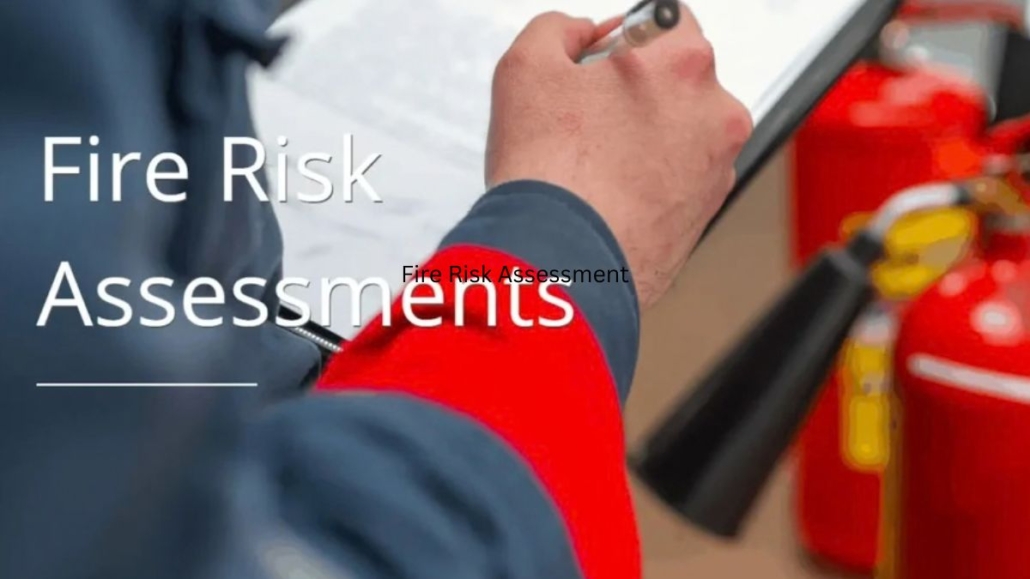
How a Comprehensive Fire Risk Assessment Can Save Lives and Property
The disaster may occur without any prior notice and once the fire breaks out the consequences may be disastrous. It is either a tiny spark that escalates into a large fire or a latent electrical problem that results in disaster; fire hazards are always a threat to the home or the business premises. It is a pity that most property owners do not pay much attention to the evaluation of these risks until it is too late.
The positive thing is that fire risk assessment is a simple solution that can effectively mitigate these risks. It entails the identification of possible hazards, measuring their intensity, and putting up preventive actions to ensure the protection of human lives and property.
You can be ahead of the disaster by making time to consider the dangers of fire. Continue reading and find out how a detailed fire risk assessment can help to protect your property and make the stay of all those inside safe.
What Is a Fire Risk Assessment?
Fire risk assessment is a procedure that involves a systematic assessment of possible fire risks in a building or property. It not only seeks the blatant hazards, but also assesses less apparent risks like electrical malfunction or poor storage of combustible substances. The goal of this process is to find all fire risks and implement effective strategies to minimize them.
Fire risk assessment is not solely about identifying hazards but also refers to the potential of a fire beginning, the potential impact and the preventive steps that are best to be taken. Such dynamic practice will be in a position to save lives, minimize property destruction, and make sure that fire safety measures are observed.
Regular fire risk assessment will also make sure that your property is as secure as possible and is well prepared to deal with any form of disaster due to fire.
Why Fire Risk Assessments Are Crucial for Safety and Property Protection
Fires may be disastrous in terms of property and lives. Left unattended, a simple fire impact might grow into a great catastrophe. Fire risks are mostly ignored in most instances and this leaves homes and businesses at the mercy of unexpected threats.
Fire risk assessment is obligatory because this will assist in determining and mitigating these hazards prior to their escalation into a catastrophe. Through regular assessments, the possibility of fire will be reduced by ascertaining the existence of the threat, ensuring the safety equipment, and the avenue of safe exiting. This not only saves life but also the devastation of property, equipments as well as personal belongings.
The first thing to do to avoid the possible tragedy is to take fire risk assessments seriously. They will have a sense of peace after having taken the required measures to protect people and property.
Key Components of a Comprehensive Fire Risk Assessment
A fire risk assessment involves a number of very important steps. To start with, you should determine all the potential arson points, i.e., broken wiring systems, heating devices, or misplaced chemicals. Such identification also involves the identification of human behavioral patterns that have the potential to cause fire hazards,s such as the improper disposal of smoking substances.
Then, evaluate the probability of fire, according to every hazard identified, and the extent of the damage that could have been. Such an assessment assists in the prioritization of the issues that require urgent consideration. Lastly, precautions need to be taken in order to achieve this, such as installation or repair of fire safety system such as fire extinguishers, fire alarms, and fire sprinklers.
The importance of periodically reconstituting and revising your fire risk assessment is to make certain that the safety measures are not compromised and that your property is not threatened by new fire risks.
How Fire Risk Assessments Save Lives and Property
Fire risk assessment is important in avoiding loss of human lives and damage to property. Early detection of a fire hazard will allow you to take some fire safety steps, such as fire alarm, sprinklers, and fire extinguishers, which will aid in containing fires before they erupt.
When the assessment of fire risks is conducted periodically, it is simpler to identify the problems before they get out of hand. To illustrate, any minor electrical issue can be identified in its initial stages, eliminating the possibility of a fire that devastates the property. Moreover, fire risk assessment can be used to guarantee the availability of escape routes in case of an emergency so as to minimize the possibility of injury or loss of life.
In the end, the fire risk assessment will assistin providinge a safer environment by making sure that safety measures are provided and operational to save lives and property in the process.
The Fire Risk Assessment Process: Step-by-Step Guide
Fire risk assessment is a process that entails a number of steps. To start with, check the entire house including electrical, storage, and any other possible fire-prone area just to be sure that there is none. The step assists in developing an overall picture of the existing risks.
The next step is the assessment of the risks based on the likelihood of each hazard producing a fire, and the potential damage in the event of occurrence. After this, the safety measures which include improvement of electrification, installation of fire extinguishers and availability of clear routes should be implemented.
And finally, document your findings and generate an action plan with specific deadlines on how to accomplish any of the changes that may be needed. To ensure that you secure your property, you should also review your fire risk assessment so that it is always timely and effective.
Legal Requirements for Fire Risk Assessments
Fire risk assessment is not only a safety best practice in most places, they are legally mandated to be done, particularly on businesses and public buildings. A large number of local regulations, including OSHA (Occupational Safety and Health Administration) standards in the U.S., stipulate that the employer needs to perform fire risk assessment to allow making sure that the safety of employees and visitors is guaranteed.
Lack of adherence to the laws of fire safety may lead to the huge fines, juridical responsibility, and even your business may be closed. Through fire risk assessment you are not only saving lives and properties but also making sure that you are within the law when it comes to safety standards.
Frequent checkups and keeping abreast with the current fire safety systems will assist you in avoiding penalties and keeping your business running and above the board.
Common Mistakes in Fire Risk Assessments (And How to Avoid Them)
Although it is necessary to conduct a fire risk assessment to ensure safety, it has its pitfalls that many individuals may commit in the process. The one mistake that is most common is neglecting minor but significant risks, e.g., poorly stored chemicals or defective wiring. The small problems may transform into big fire risks and no one can control them.
The other error is the inability to record findings adequately. Effective documentation will make sure that the hazards are taken care of and it will also give evidence of compliance in case the law demands it. Lastly, some property owners do not remember to re-examine their fire risk assessment every now and then. The hazards in the fire also vary with time; they need continuous reviews to ensure a safe environment.
These are the pitfalls that you should not fall into, and by undertaking proper documented evaluations, you can be very sure your property is fire safe and up to standard.
Fire Risk Assessment Checklist: Ensuring Comprehensive Coverage
It may be beneficial to develop a fire risk assessment checklist in order not to miss a single detail. Your checklist must entail inspection of electrical systems, verification of fire alarm functionality, verification of the free state of emergency exits and the performance of fire extinguishers.
Make sure that safety equipment is looked into periodically and that escape routes are evaluated periodically, to ensure that they are there and well-marked. Keep an eye on the common causes of fire, e.g., faulty heating equipment or flammable materials and make the necessary manipulations.
A checklist will make you feel organized, and all the essential points will be evaluated and addressed. A complete and effective fire risk assessment process will be guaranteed with the help of regular use of this checklist.
Conclusion
Fires are potentially devastating and combined with a comprehensive fire risk assessment, you can minimise the risks of such events enormously while protecting your lives and property. There are regular assessments, which will help identify the hazards and take measures to prevent such hazards, and also help to make sure that the legal measures are followed for maintaining a safer environment.

Leave a Reply
Want to join the discussion?Feel free to contribute!