
How Your Blood Type Can Influence Health Risks and Wellness Outcomes
Understanding how your body responds to various health challenges is vital for achieving optimal well-being. One factor often overlooked is your blood type. Emerging research suggests that Blood Type Can Impact Your Health in meaningful ways, influencing everything from cardiovascular risk to susceptibility to certain infections. By understanding these connections, you can make more informed lifestyle choices, optimize your diet, and support long-term wellness.
The Basics of Blood Types and Their Role in Health
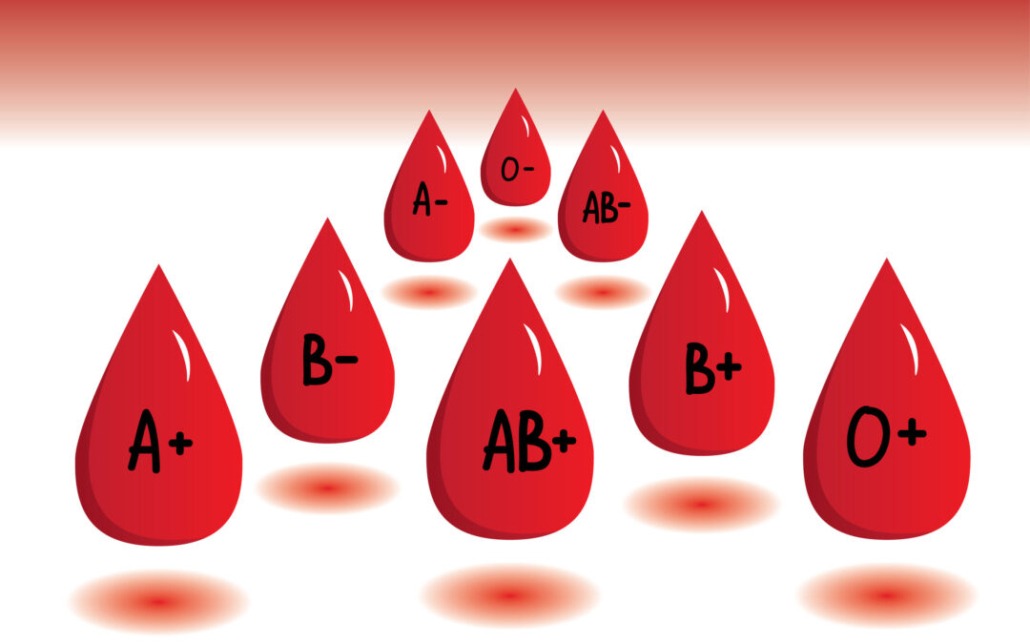
Blood types are determined by the presence or absence of specific antigens on the surface of red blood cells. The four primary blood types—A, B, AB, and O—each come with unique genetic characteristics that may affect your overall health. For instance, type O individuals often have lower levels of certain clotting factors, which may reduce the risk of heart disease but increase susceptibility to ulcers. Meanwhile, type A individuals may experience higher levels of stress-induced inflammation. These subtle differences illustrate why Blood Type Can Impact Your Health, shaping your risk profile for various conditions.
Moreover, blood type also influences how your immune system responds to infections. Studies indicate that type O may provide some protection against severe malaria, while type A could be linked to higher vulnerability to certain viral infections. This biological variation highlights the importance of personalizing your health strategies according to your blood type.
How Blood Type Influences Cardiovascular and Metabolic Health
Heart disease remains one of the leading causes of death worldwide, and research indicates a strong link between blood type and cardiovascular risk. Individuals with type AB or B blood may have an increased risk of heart disease, while those with type O generally show a lower risk. Additionally, blood type can affect cholesterol metabolism, inflammation, and clotting tendencies—all critical factors in heart health. Recognizing these patterns enables you to adopt preventive measures, such as diet adjustments or targeted exercise routines, tailored to your specific blood type.
Blood type can also impact metabolic conditions like diabetes and obesity. Certain blood types may influence insulin sensitivity, fat metabolism, and inflammatory responses. These variations demonstrate that Blood Type Can Impact Your Health beyond just infectious diseases, extending into chronic conditions that are increasingly prevalent in modern society.
Nutrition and Lifestyle Adjustments Based on Blood Type
A growing number of health experts suggest that diet and lifestyle can be optimized according to blood type. While this approach remains somewhat controversial, anecdotal evidence and some studies indicate that aligning nutrition and wellness practices with your blood type can improve energy levels, digestion, and overall well-being. For example, type O individuals may benefit from higher protein intake and regular physical activity, whereas type A individuals might respond better to a plant-based diet rich in vegetables and whole grains.
Incorporating blood type awareness into your health plan doesn’t have to be complicated. The key is balance and personalization. According to Wellness For Life Blog, understanding how your blood type affects digestion, nutrient absorption, and immune responses can be a valuable tool in preventing disease and enhancing vitality. Simple adjustments—such as choosing certain foods, supplements, or exercise routines—can make a meaningful difference over time, supporting long-term wellness and resilience.
Blood Type and Disease Susceptibility
Research continues to uncover connections between blood type and susceptibility to specific diseases. For instance, type A blood has been associated with higher risks of certain cancers, including stomach and pancreatic cancer. Conversely, type O may offer some protection against these conditions but may have a slightly higher risk of bleeding disorders. Blood type can also influence susceptibility to infectious diseases, including COVID-19, where studies suggest differences in severity and immune response among different blood types.
By understanding these relationships, you can be proactive in your health strategy. Regular screenings, vaccinations, and preventive lifestyle choices tailored to your blood type can enhance your ability to mitigate risk. Clearly, Blood Type Can Impact Your Health in ways that go beyond general wellness advice, offering personalized insight into disease prevention.
Integrating Blood Type Awareness Into Your Wellness Routine
The practical takeaway from blood type research is actionable: use your blood type as a guide for preventive care, nutrition, and lifestyle. Simple steps such as selecting the right diet, maintaining regular exercise, and monitoring heart health can have a significant impact. Moreover, combining this knowledge with regular medical checkups ensures that you address risk factors proactively.
Additionally, embracing the role of blood type in wellness aligns with a broader trend in personalized medicine. With tools like genetic testing, healthcare professionals can now provide recommendations that consider not just blood type but also family history, lifestyle, and environmental factors. By doing so, you empower yourself to make smarter, evidence-based decisions that enhance your long-term quality of life.
Understanding how Blood Type Can Impact Your Health provides an extra layer of insight, enabling you to fine-tune your habits, optimize nutrition, and proactively prevent illness. Personalized health strategies that respect your unique biological makeup are more likely to succeed and promote sustained wellness for life.


Leave a Reply
Want to join the discussion?Feel free to contribute!