
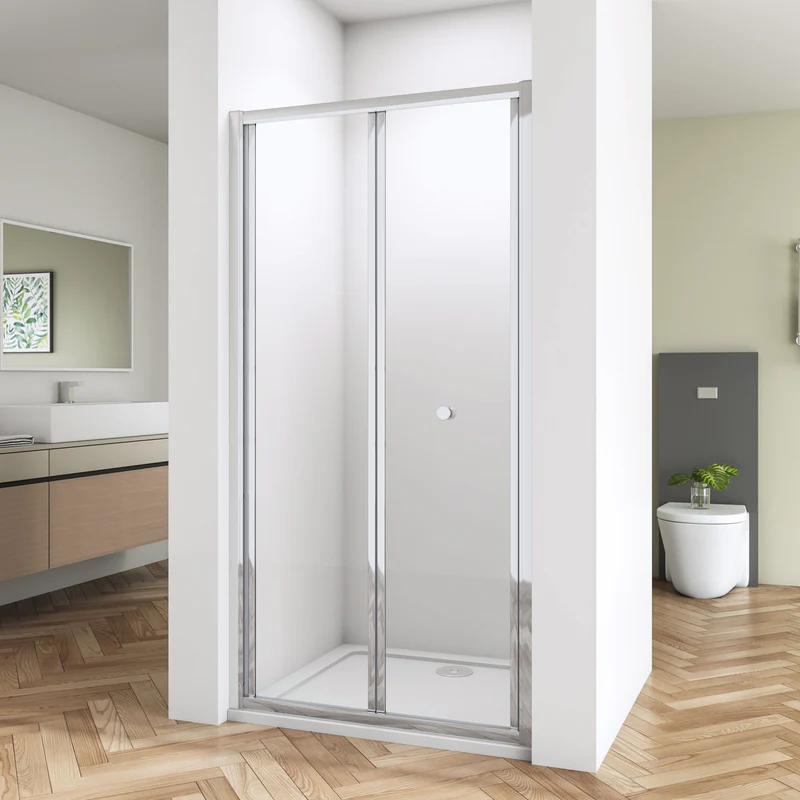
The Complete Guide to Bifold Shower Doors: Space-Saving Elegance for Every Bathroom
Finding the perfect shower enclosure for a compact bathroom can feel like solving an impossible puzzle. You want something that looks stylish, functions smoothly, and doesn’t dominate your limited floor space. Enter the bifold shower door – a brilliantly engineered solution that has been transforming small bathrooms for decades while remaining equally at home in larger spaces.
If you’ve ever struggled with a shower curtain that clings uncomfortably or a hinged door that crashes into your toilet, you’ll immediately appreciate the elegant simplicity of a bifold design. These clever doors fold inward on themselves, requiring minimal clearance while providing generous access to your shower space. It’s the kind of practical innovation that makes you wonder why all shower doors aren’t designed this way.
Understanding How Bifold Shower Doors Work
The mechanics behind a bifold shower door are refreshingly straightforward. The door consists of two or more panels connected by hinges. When you open the door, these panels fold together like an accordion, stacking neatly against one side of the enclosure.
This folding action means the door swings inward into the shower space rather than outward into your bathroom. The clearance required is dramatically reduced compared to traditional pivot or hinged doors, which need a full arc of clear floor space to operate.
Most bifold shower doors run on a combination of top tracks and pivot points. The smooth operation depends on quality rollers or guides that allow the panels to glide effortlessly. Well-engineered bifold doors open and close with minimal effort, their movement controlled and precise rather than loose or wobbly.
The folding mechanism also provides a wider opening than you might expect. When fully open, a bifold shower door typically provides access equivalent to around two-thirds of the total enclosure width – more than adequate for comfortable entry and exit.
Why Choose a Bifold Shower Door?
The popularity of bifold shower doors stems from their ability to solve real problems that homeowners face daily. Understanding these benefits helps clarify whether a bifold design suits your particular situation.
Space Efficiency
The primary advantage of a bifold shower door is its minimal space requirement. In bathrooms where every centimetre matters, the ability to open your shower without needing clear floor space in front proves invaluable. You can position bathroom furniture, toilets, or basins closer to the shower enclosure without worrying about door clearance.
This space efficiency doesn’t just apply to tiny bathrooms. Even in larger spaces, a bifold door allows more flexible furniture arrangement and movement flow. The bathroom feels less dominated by the shower enclosure when the door doesn’t demand its own territory.
Accessibility
The wide opening achieved when a bifold shower door folds back makes entering and exiting easier for everyone. This proves particularly beneficial for those with mobility considerations, larger body types, or anyone who simply appreciates not squeezing through a narrow gap.
Parents bathing young children find bifold doors helpful too. The generous opening allows easier access for reaching in to assist little ones without getting completely soaked yourself.
Water Containment
Unlike shower curtains that billow and gap, a properly installed bifold shower door creates an effective seal against water escape. The rigid panels and quality seals keep water where it belongs – inside the shower. Your bathroom floor stays dry, reducing slip hazards and the tedious mopping that shower curtains often necessitate.
Aesthetic Appeal
Modern bifold shower doors are available in a stunning array of styles, from minimalist frameless designs to more traditional framed options. The clean lines of glass panels create a contemporary look that opens up visual space, making bathrooms appear larger and brighter.
The transparency of glass doors also showcases beautiful tilework that might otherwise hide behind opaque curtains. If you’ve invested in stunning shower tiles, a bifold shower door lets them take centre stage.
Durability and Hygiene
Quality glass doors outlast shower curtains many times over. While curtains require regular replacement due to mould, mildew, and general deterioration, glass doors remain pristine for years with basic maintenance. The non-porous surface of glass resists bacterial growth and cleans easily, promoting better bathroom hygiene.
Types of Bifold Shower Doors
Within the bifold category, several variations cater to different preferences and installation requirements.
Framed Bifold Doors
Traditional framed bifold shower doors feature aluminium frames surrounding each glass panel. These frames provide structural support, allowing the use of thinner glass while maintaining rigidity. Framed doors tend to be more affordable and offer excellent durability.
The frames themselves come in various finishes – chrome, brushed nickel, matt black, brushed brass, and more. This variety allows coordination with other bathroom fixtures for a cohesive design scheme.
Semi-Frameless Bifold Doors
Striking a balance between framed and frameless styles, semi-frameless bifold doors feature frames on the outer edges and hinges but leave the main glass panels unframed. This creates a lighter, more contemporary appearance while retaining some structural benefits of framing.
Semi-frameless designs often represent the sweet spot for homeowners wanting modern aesthetics without the premium price of fully frameless options.
Frameless Bifold Doors
The pinnacle of contemporary shower design, frameless bifold shower doors use thicker tempered glass that requires no frame for structural support. The result is a sleek, minimalist appearance with uninterrupted glass surfaces.
Frameless doors demand precision engineering and installation. The hinges and hardware must support the considerable weight of thick glass panels while maintaining smooth operation. Quality frameless bifold doors represent a significant investment but deliver unmatched visual impact.
Bifold Doors for Recessed Enclosures
When your shower sits within an alcove or recess, a single bifold shower door spans the opening. This straightforward configuration suits many bathroom layouts and offers the simplest installation.
Corner Entry Bifold Enclosures
For corner shower installations, bifold doors can form one or more sides of a complete enclosure. These configurations combine bifold doors with fixed panels to create fully enclosed shower spaces that maximise corner areas often otherwise wasted.
Measuring and Sizing Considerations
Accurate measurement is crucial when selecting a bifold shower door. Unlike flexible curtains that accommodate slight variations, glass doors require precise fitting.
Width Measurement
Measure the opening width at multiple points – top, middle, and bottom. Walls are rarely perfectly plumb, so taking the narrowest measurement ensures your door will fit. Most bifold doors offer some adjustment range to accommodate minor variations.
Standard bifold shower door widths typically range from 700mm to 1000mm, with some manufacturers offering wider options. If your opening falls between standard sizes, adjustable doors or custom manufacturing may be necessary.
Height Measurement
Standard door heights usually range from 1850mm to 2000mm. Measure from the tray or floor to where you want the door to reach. Consider whether you want the door to meet the ceiling or leave a gap for ventilation.
Taller individuals should pay particular attention to height. A door that requires ducking every entry quickly becomes frustrating.
Tray Compatibility
Your shower tray’s design affects door installation. Some trays feature raised edges that the door sits against, while others are flush with the floor. Ensure your chosen bifold shower door is compatible with your tray type.
If replacing an existing enclosure, check whether the new door’s frame or track positions align with existing fixing points or whether new holes will be needed.
Glass Options and Safety
The glass in shower doors isn’t ordinary window glass. Safety regulations require tempered or toughened glass that, if broken, shatters into small, relatively harmless pieces rather than dangerous shards.
Clear Glass
The most popular choice, clear glass maximises light transmission and visual openness. It showcases tilework beautifully and makes bathrooms feel spacious. The trade-off is complete transparency – everything inside the shower remains visible.
Frosted or Obscured Glass
For those preferring privacy, frosted glass diffuses light while obscuring clear views. Various patterns and opacity levels are available, from lightly frosted to almost opaque. Frosted bifold shower doors suit family bathrooms or situations where the shower faces the bathroom entrance.
Patterned Glass
Decorative patterns pressed or etched into glass add visual interest while providing partial privacy. Patterns range from subtle textures to bold geometric designs, allowing personalisation of your shower space.
Coated Glass
Many manufacturers offer protective coatings that repel water and resist limescale buildup. These coatings make cleaning easier and keep glass looking clearer longer. While adding to initial cost, coated glass reduces long-term maintenance effort.
Glass Thickness
Framed bifold doors typically use 4mm to 6mm glass, with the frame providing additional strength. Frameless designs require thicker glass – usually 6mm to 8mm – to maintain rigidity without frame support. Thicker glass feels more substantial and luxurious but adds weight and cost.
Installation Insights
While many competent DIY enthusiasts successfully install bifold shower doors, the process requires precision and patience.
Preparation
Ensure walls are true and surfaces are clean before beginning. Any significant wall irregularities should be addressed first, as they’ll affect door alignment and sealing.
Gather all necessary tools before starting. Typically, you’ll need a drill, spirit level, tape measure, silicone sealant, and appropriate wall fixings for your wall type.
Following Instructions
Every bifold shower door model has specific installation requirements. Read manufacturer instructions thoroughly before beginning, and follow them precisely. Assumptions based on previous installations can lead to problems with different products.
Levelling and Alignment
The most critical aspect of installation is achieving perfect level and plumb alignment. Even small deviations cause doors to hang incorrectly, affecting operation and sealing. Take time with this stage – rushing leads to frustration later.
Sealing
Proper silicone application creates watertight seals between frames and walls. Use quality bathroom silicone and apply it neatly. Poor sealing is the most common cause of leaks in shower enclosures.
Professional Installation
If you’re uncertain about any aspect of installation, professional fitting is worthwhile. Incorrectly installed doors may leak, operate poorly, or even pose safety risks. The cost of professional installation is modest compared to potential problems from DIY errors.
Maintenance and Cleaning
Keeping your bifold shower door looking pristine requires regular but straightforward maintenance.
Daily Habits
The simplest maintenance is using a squeegee after each shower. Removing water before it dries prevents mineral deposits and soap scum buildup. This thirty-second habit dramatically reduces deep cleaning requirements.
Leaving the door slightly open after showering allows air circulation that helps dry remaining moisture and prevents musty odours.
Regular Cleaning
Weekly cleaning with appropriate glass cleaner maintains sparkle. Avoid abrasive cleaners or scouring pads that might scratch glass or damage frames. For stubborn limescale, white vinegar solutions work effectively without harsh chemicals.
Pay attention to tracks and hinges where grime accumulates. A soft brush or old toothbrush reaches into crevices that cloths miss.
Seal Maintenance
Rubber seals along door edges eventually wear and may need replacement. Inspect seals periodically for damage or deterioration. Replacement seals are usually available from manufacturers and are straightforward to fit.
Hardware Care
Hinges and rollers benefit from occasional lubrication to maintain smooth operation. Use silicone-based lubricants rather than oil-based products that might degrade rubber seals.
Common Concerns Addressed
Prospective buyers often have questions about bifold shower doors that deserve direct answers.
Do bifold doors leak?
Quality bifold shower doors with proper installation and maintained seals should not leak significantly. Some minimal water escape at the fold point is possible but rarely problematic. Ensuring seals remain in good condition prevents most leakage issues.
Are they difficult to clean?
The folding mechanism creates additional surfaces compared to single-panel doors, but cleaning remains straightforward. The ability to fold the door provides good access to all surfaces. Regular maintenance prevents buildup that makes cleaning difficult.
How long do they last?
Well-made bifold shower doors last many years – often fifteen to twenty years or more with proper care. Hinges and seals may need occasional replacement, but the glass panels themselves remain serviceable indefinitely unless damaged.
Can they be fitted to any shower?
Most shower configurations can accommodate bifold doors, but some unusual layouts may present challenges. Extremely narrow openings might not suit bifold designs, and certain tray types require specific door styles. Consulting manufacturer specifications or seeking professional advice resolves compatibility questions.
Making Your Selection
Choosing the right bifold shower door involves balancing aesthetics, functionality, and budget.
Consider your bathroom’s overall style. A sleek frameless bifold shower door suits contemporary minimalist spaces, while framed options complement traditional or transitional designs. The frame finish should coordinate with other bathroom fixtures for visual harmony.
Evaluate your practical requirements honestly. How much space do you actually have? Who uses the shower, and do any accessibility considerations apply? What’s your tolerance for cleaning and maintenance?
Set a realistic budget that includes installation costs if you’re not fitting the door yourself. Quality doors from reputable manufacturers cost more initially but prove economical over their longer lifespan.
Conclusion
A bifold shower door represents one of those rare products that genuinely improves daily life. The space-saving design solves real problems in compact bathrooms while the clean aesthetic enhances any space. Whether you’re renovating a tiny en-suite or upgrading a family bathroom, the bifold configuration deserves serious consideration.
The market offers options for every taste and budget, from practical framed designs to luxurious frameless statements. Whatever your preference, a well-chosen bifold shower door will serve you faithfully for years, making every shower a little more pleasant and your bathroom a little more beautiful.
Take time to measure carefully, consider your specific needs, and invest in quality. Your future self, stepping easily into a perfectly enclosed shower space, will thank you for the thoughtful decision.


Leave a Reply
Want to join the discussion?Feel free to contribute!