
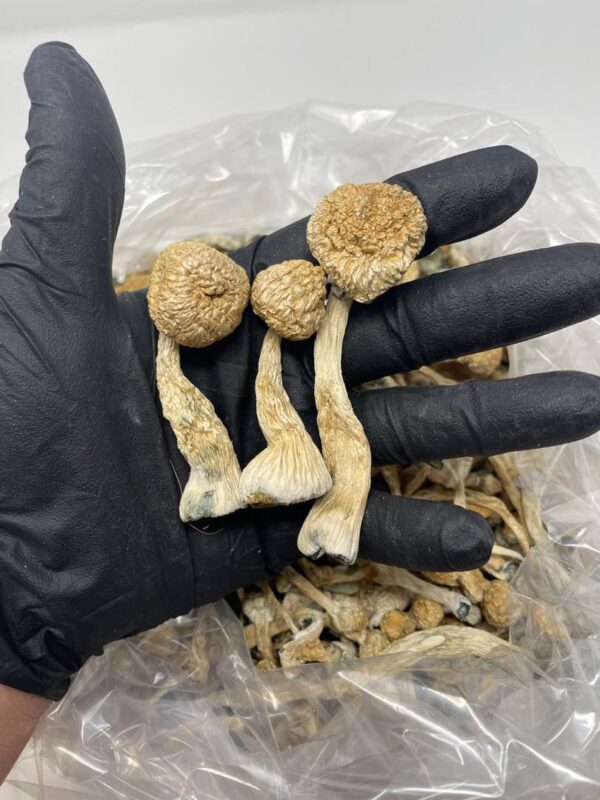
Albino Mushrooms: Everything You Need to Know
Packz Central – Your Guide to Buy Albino Mushrooms
Albino mushrooms are a fascinating variation in the world of fungi, known for their unique appearance and scientific interest. Unlike typical mushrooms, buy albino mushrooms lack the pigmentation that gives most fungi their characteristic colors, resulting in striking white or pale forms.Packs Central explores the biology, types, cultivation insights, benefits, and considerations surrounding albino mushrooms.
What Are Albino Mushrooms?
Albino mushrooms are a genetic variation of standard mushrooms in which the fungus does not produce the usual pigments. This results from a mutation that affects melanin production, giving the mushroom a pale, often white appearance. Albino mushrooms can occur in several species, including the common button mushroom (Agaricus bisporus) and some psychedelic mushroom strains, though our focus here is educational.
The Science Behind Albino Mushrooms
The absence of pigment in albino mushrooms is primarily due to a lack of melanin, the compound responsible for coloration in fungi. Melanin not only provides color but also offers some protection against UV light and microbial threats. While albino mushrooms may appear more delicate, they are generally as nutritious and biologically active as their pigmented counterparts.
Scientists study albino mushrooms to understand genetic variation, pigment production, and fungal adaptation to different environments. These mushrooms provide a natural laboratory for research into fungal genetics and evolution..
Common Types of Albino Mushrooms
Several species are known to produce albino variants:
- Albino Button Mushrooms: A pale version of Agaricus bisporus, commonly found in grocery stores.
- Albino Shiitake Mushrooms: Rare and prized for their mild flavor and unique appearance.
- Albino Psilocybe Strains: Known mainly in research contexts for genetic studies.
Each type of albino mushroom has its own growth requirements, appearance, and scientific significance.
Cultivation of Albino Mushrooms
Growing albino mushrooms requires knowledge of standard mushroom cultivation methods, with a few key considerations:
- Lighting: Albino mushrooms may be more sensitive to light since they lack melanin protection.
- Humidity: Like all fungi, they thrive in humid environments.
- Temperature: Maintaining optimal temperature ensures healthy growth.
- Sterility: Preventing contamination is critical, especially for albino strains that may be more delicate.
For educational purposes, albino mushrooms are often cultivated in controlled laboratory settings to study fungal growth and genetics.
Nutritional and Scientific Benefits
Albino mushrooms are generally as nutritious as their pigmented counterparts. They contain essential vitamins, minerals, and antioxidants. Researchers also study albino mushrooms for:
- Genetic research: Understanding mutations and pigment pathways.
- Fungal adaptation studies: How fungi respond to environmental stressors without melanin.
- Biotechnological applications: Some strains are explored for enzyme production or medicinal research.
Risks and Considerations
While Buying albino mushrooms are safe when used for educational or culinary purposes, some considerations include:
- Identification: Ensure correct identification to avoid confusing edible albino mushrooms with potentially harmful species.
- Environmental sensitivity: Albino mushrooms may be more susceptible to environmental stressors due to lack of pigmentation.
- Legal and research restrictions: Certain species studied in research contexts may be regulated depending on local laws.
Frequently Asked Questions (FAQs)
1. Are albino mushrooms edible?
Yes, many albino mushrooms are edible, such as albino button mushrooms and albino shiitake, and they are nutritionally similar to standard mushrooms.
2. Why are some mushrooms albino?
Albino mushrooms result from a genetic mutation that prevents pigment production, leading to pale or white coloration.
3. Are albino mushrooms rare?
Yes, albino mushrooms are less common than pigmented varieties, which makes them interesting for research and cultivation.
4. Can albino mushrooms be grown at home?
Certain edible albino mushrooms can be grown under controlled conditions, but careful attention to lighting, humidity, and sterility is required.
5. Do albino mushrooms have the same taste as regular mushrooms?
Generally, yes. Some albino varieties may have slightly milder flavor profiles, but their nutritional value and taste are largely similar.
Conclusion
Albino mushrooms are a unique and fascinating part of the fungal world. From their genetic uniqueness to their culinary and scientific applications, these mushrooms offer valuable insights into fungal biology and genetics. Whether you’re an enthusiast, student, or researcher, understanding albino mushrooms contributes to broader knowledge of fungi and their diverse adaptations.At Packz Central, we aim to provide the best albino mushrooms to buy, simply visit our site and buy albino mushrooms, 100% quality and quantity focused mushrooms will reach your door.Book Now!
Leave a Reply
Want to join the discussion?Feel free to contribute!