
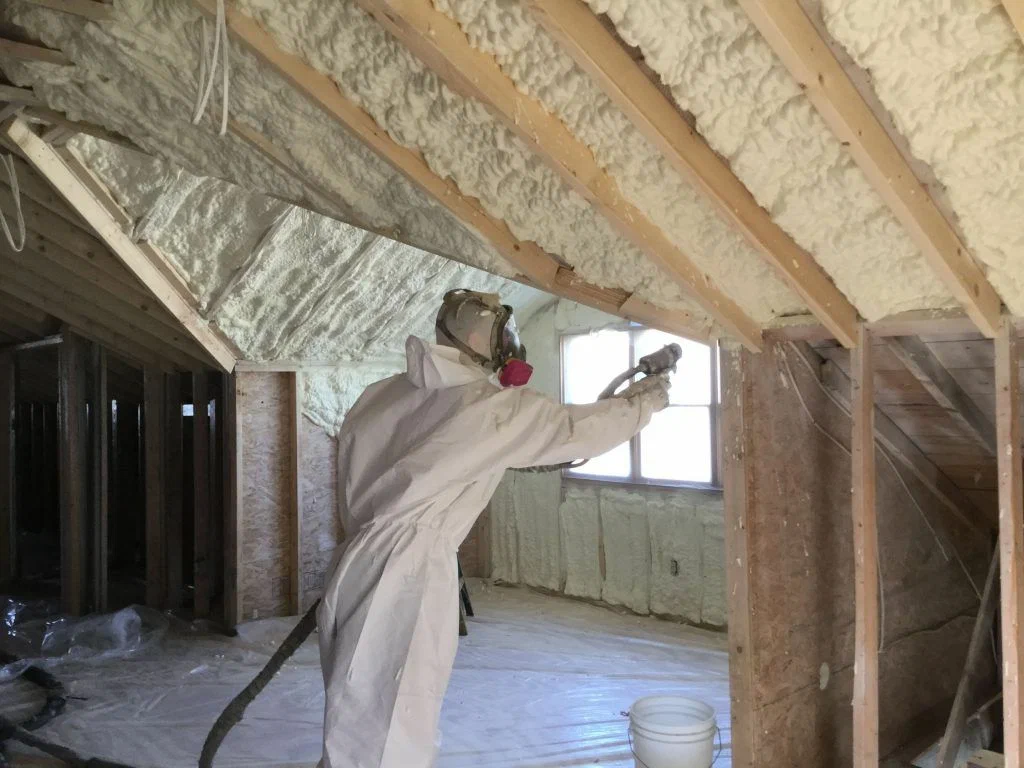
Improve Heating And Cooling Balance With Peninsula Insulation Spray Foam In Fruitland, MD
Finding a steady, comfortable temperature in your Fruitland home or business can feel like a constant battle. If your HVAC runs too often, or rooms never seem to match the thermostat, uneven insulation and air leakage are usually the culprits. Spray foam insulation from Peninsula Insulation helps balance heating and cooling by sealing gaps, reducing drafts, and improving overall thermal performance. With the right approach, you can cut energy waste, reduce hot and cold spots, and create a more consistent indoor environment.
Quick answers that matter most
- Spray foam seals air leaks and improves temperature consistency across rooms.
- Closed cell spray foam adds both insulation and moisture resistance for long-term stability.
- Proper insulation reduces HVAC runtime and keeps your utility bills more predictable.
Why Heating And Cooling Balance Fails in Fruitland Properties
Even modern HVAC systems struggle when the building envelope leaks. In Fruitland, humidity and seasonal temperature swings make it harder for systems to keep up. If insulation is thin, uneven, or missing in key areas, the result is uneven comfort and higher energy use. Spray foam insulation in Fruitland, MD addresses the problem at the source by creating a continuous thermal barrier that helps stabilize indoor temperatures and improve energy efficiency.
Where Temperature Imbalance Starts
Air leaks usually occur at the top of the building, around ductwork, and in wall cavities. These gaps allow warm air to escape in winter and let heat in during summer. Spray foam expands to fill irregular cavities, stopping airflow and stabilizing indoor temperatures.
How Spray Foam Improves System Performance
Spray foam reduces the workload on your HVAC system by limiting heat transfer through walls and ceilings. When your building holds temperature better, the system cycles less often and maintains a steady output.
Long-Term Comfort Benefits
Once the envelope is sealed, rooms stay closer to the thermostat setting. That means fewer cold corners in winter and less overheated space in summer. It also reduces humidity fluctuations, which improves indoor comfort and reduces strain on your HVAC system.
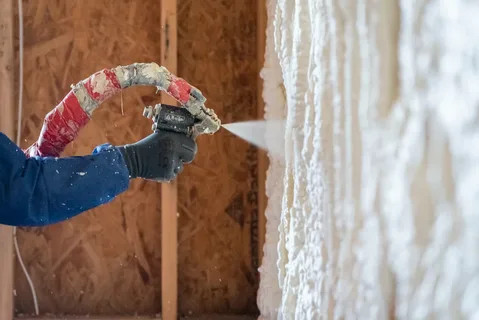
Open Cell vs Closed Cell: Choosing the Best Spray Foam for Your Property
Selecting the right spray foam type matters. Both options improve heating and cooling balance, but they perform differently based on location, building type, and moisture risk.
Open Cell Spray Foam for Interior Comfort
Open cell spray foam is ideal for interior walls, attics, and open spaces where sound control and flexibility matter. It expands widely and fills gaps efficiently, creating a strong air seal. This makes temperature control more even and reduces drafts in rooms with inconsistent comfort.
Closed Cell Spray Foam for Moisture Resistance
Closed cell spray foam is denser and adds structural strength. It also provides a strong moisture barrier, which is important in Fruitland’s humid climate. Use it in basements, crawlspaces, and exterior wall cavities to prevent moisture infiltration that can disrupt insulation performance.
Comparison Table: Open Cell vs Closed Cell
| Feature | Open Cell Spray Foam | Closed Cell Spray Foam |
|---|---|---|
| Best for | Interior walls, attics, sound control | Basements, crawlspaces, exterior walls |
| Air sealing | Excellent | Excellent |
| Moisture resistance | Moderate | High |
| R-value per inch | Lower | Higher |
| Ideal use | Comfort and sound control | High performance and moisture protection |
Targeted Insulation Areas That Balance Heating And Cooling
Spray foam works best when applied where air leakage is most common. These are the typical zones where Fruitland properties lose comfort and efficiency.
Attic and Roofline
Heat rises, and attics are often the biggest source of energy loss. Spray foam creates a continuous barrier that prevents warm air from escaping in winter and stops heat from entering in summer.
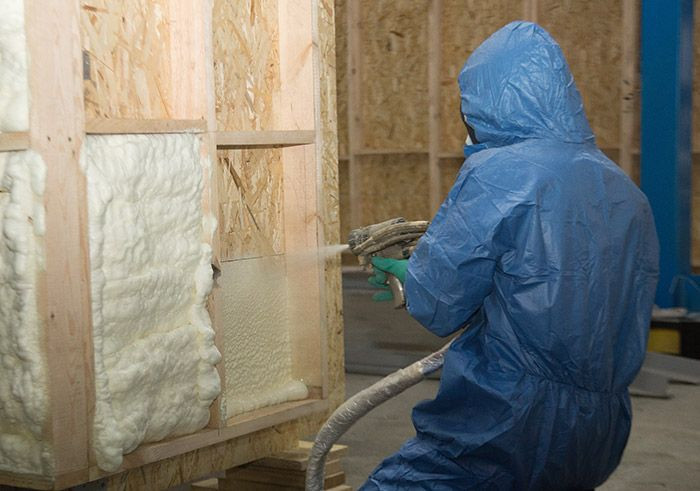
Exterior Walls and Rim Joists
Walls and rim joists are frequent leak points. Spray foam seals these areas, stopping drafts and reducing the load on your HVAC system. This helps maintain consistent temperatures across all rooms.
Crawlspaces and Foundations
Crawlspaces often contribute to uneven floor temperatures and high humidity. Encapsulation with spray foam stabilizes the space and prevents cold air intrusion, improving comfort and indoor air quality.
Improving HVAC Balance in Residential and Commercial Properties
The needs of homes and businesses differ, but both rely on stable insulation to achieve balanced temperatures. Spray foam delivers consistent results in both environments.
Residential Comfort and Energy Savings
Homeowners notice the difference immediately. Rooms warm up faster, cooling stays steadier, and HVAC cycles become shorter. This reduces wear and tear and helps your system last longer.
Commercial Buildings and Performance Goals
For commercial properties, consistent temperature control improves productivity, customer comfort, and equipment efficiency. Spray foam reduces pressure on HVAC systems and stabilizes indoor conditions across large spaces.
Agricultural Insulation for Stable Environments
In agricultural buildings, maintaining stable temperatures matters for equipment, storage, and livestock. Spray foam reduces humidity and keeps indoor conditions more predictable, which supports operational efficiency.
Conclusion: Balance Your Indoor Climate with Spray Foam
Spray foam insulation is one of the most effective ways to improve heating and cooling balance in Fruitland properties. By sealing air leaks, reducing drafts, and strengthening the building envelope, you get steadier comfort, lower HVAC strain, and more predictable energy use.
Insulation affects every part of your building’s performance. When the envelope is sealed, your HVAC system works smarter, not harder. Peninsula Insulation supports performance-driven projects across Fruitland with proven spray foam solutions for homes, businesses, and agricultural buildings. Ready to stabilize your indoor climate? Call us today at (410) 770-2624.
FAQs
What areas should I prioritize for spray foam to improve temperature balance?
Start with the attic, exterior walls, and rim joists. These zones typically leak the most air and create the biggest temperature swings. Sealing them improves comfort and reduces HVAC cycling.
Will spray foam reduce drafts and cold spots in older buildings?
Yes. Spray foam fills gaps and cracks that traditional insulation can miss. This eliminates drafts, stabilizes room temperatures, and improves overall energy performance.
Can spray foam help reduce HVAC runtime in commercial spaces?
Spray foam strengthens the building envelope and limits heat transfer, which reduces the load on HVAC systems. That leads to fewer cycles, more stable temperatures, and lower maintenance needs.
Is spray foam effective in high humidity areas like Fruitland?
Closed cell spray foam adds moisture resistance and prevents humid air from penetrating the building envelope. This supports better indoor air quality and reduces condensation issues.
How does spray foam compare to blown-in or fiberglass insulation for balance?
Spray foam provides a continuous air seal and higher performance in sealing gaps. Blown-in and fiberglass can help but often leave small gaps that allow air movement, which can lead to uneven temperatures.
Author: Wil Perkins is the founder of Peninsula Insulation and a long-time resident of Easton, Maryland. With a hands-on approach and nearly five years in the insulation business, Wil leads a team known for professional service and quality work. He’s committed to providing best Spray Foam Insulation solutions and lasting results for every project.
Reviewer: Emily Martinez has 12 years of experience in spray foam insulation. She reviewed this article and suggested ways to make the content more useful for contractors looking to grow their customer base.

Leave a Reply
Want to join the discussion?Feel free to contribute!